

• Home
  • Agric
  • Sci & Tech
  • Health
  • Environment
  • Hausa News
  • More
    • Business/Banking & Finance
    • POLITICS
    • Entertainments & Sports
    • International
    • Investigation
    • Law & Human Rights
    • Africa
    • ACCOUNTABILITY/CORRUPTION
    • Hassan Gimba
    • Column
    • Prof. Jibrin Ibrahim
    • Prof. M.K. Othman
    • Defense/Security
    • Education
    • Energy/Electricity
    • Entertainment/Arts & Sports
    • Society and Lifestyle
    • Food & Agriculture
    • Health & Healthy Living
    • International News
    • Interviews
    • Investigation/Fact-Check
    • LAW & HUMAN RIGHTS
    • Oil & Gas/Mineral Resources
    • PRESS FREEDOM/JOURNALISM/PR
    • General News
    • Presidency
  • About Us
    • Contact Us
    • Board Of Advisory
    • Privacy Policy
    • Ethics Policy
    • Teamwork And Collaboration Policy
    • Fact-Checking Policy
    • Advertising
  • Media OutReach Newswire
    • Wire News
  • The Stories
Facebook Twitter Instagram
Trending
  • FUTA women scientists urge commercialisation of research for national development
  • Sultan urges newly turbaned title holders to uphold truth, serve people diligently
  • Insecurity: Which narrative should we believe: Fulanisation or Islamisation?
  • Rising gas prices push FCT households toward traditional fuels
  • Kogi first lady disburses N25m to 500 women in Okunland
  • Over 1,000 Nigerians in South Africa register for repatriation
  • Kano inaugurates management teams to boost healthcare standards
  • Lagos Mainland reconstructs flood-prone Jebba-Osholake road
Facebook Twitter Instagram YouTube
AsheNewsAsheNews
  • Home
  • Agric

    N-HYPPADEC distributes power tillers to Kaduna farmers

    June 6, 2026

    Niger Assembly approves $14.4m loan to finance Niger Foods

    June 3, 2026

    Expert: Nigerian food products face export challenges

    June 3, 2026

    Agrify, TCF launch AI farming tool in Zuma

    June 3, 2026

    Niger State and AGAN launch private extension initiative to tackle agricultural crisis

    June 2, 2026
  • Sci & Tech

    FUTA women scientists urge commercialisation of research for national development

    June 7, 2026

    MTN Nigeria opens data, network operations for public scrutiny

    June 6, 2026

    NIFST urges sanctions for unsafe food practices

    June 4, 2026

    FEC approves national research and innovation development fund

    June 4, 2026

    Africa’s key challenge Is market access, not talent

    June 3, 2026
  • Health

    Kano inaugurates management teams to boost healthcare standards

    June 7, 2026

    First lady partners with ANSACA to boost HIV awareness in Anambra

    June 6, 2026

    World Menstrual Hygiene Day: Sokoto stakeholders renew commitment to girls’ health, dignity

    June 6, 2026

    Association strengthens regulatory collaboration in West Africa

    June 6, 2026

    Africa CDC, WHO launch Ebola preparedness plan

    June 6, 2026
  • Environment

    Rising gas prices push FCT households toward traditional fuels

    June 7, 2026

    Lagos Mainland reconstructs flood-prone Jebba-Osholake road

    June 6, 2026

    Plastic waste to housing materials to tackle Nigeria’s housing shortage

    June 6, 2026

    NRC pledges to improve worker welfare

    June 6, 2026

    Lagos warns population growth will increase pollution

    June 5, 2026
  • Hausa News

    Otti plans 250-room 5-star hotel in Umuahia

    April 11, 2026

    Anti-quackery task force seals 4 fake hospitals in Rivers

    August 29, 2025

    [BIDIYO] Yadda na lashe gasa ta duniya a fannin Ingilishi – Rukayya ‘yar shekara 17

    August 6, 2025

    A Saka Baki, A Sasanta Saɓani Tsakanin ‘Yanjarida Da Liman, Daga Muhammad Sajo

    May 21, 2025

    Dan majalisa ya raba kayan miliyoyi a Funtuwa da Dandume

    March 18, 2025
  • More
    1. Business/Banking & Finance
    2. POLITICS
    3. Entertainments & Sports
    4. International
    5. Investigation
    6. Law & Human Rights
    7. Africa
    8. ACCOUNTABILITY/CORRUPTION
    9. Hassan Gimba
    10. Column
    11. Prof. Jibrin Ibrahim
    12. Prof. M.K. Othman
    13. Defense/Security
    14. Education
    15. Energy/Electricity
    16. Entertainment/Arts & Sports
    17. Society and Lifestyle
    18. Food & Agriculture
    19. Health & Healthy Living
    20. International News
    21. Interviews
    22. Investigation/Fact-Check
    23. LAW & HUMAN RIGHTS
    24. Oil & Gas/Mineral Resources
    25. PRESS FREEDOM/JOURNALISM/PR
    26. General News
    27. Presidency
    Featured
    Recent

    FUTA women scientists urge commercialisation of research for national development

    June 7, 2026

    Sultan urges newly turbaned title holders to uphold truth, serve people diligently

    June 7, 2026

    Insecurity: Which narrative should we believe: Fulanisation or Islamisation?

    June 7, 2026
  • About Us
    1. Contact Us
    2. Board Of Advisory
    3. Privacy Policy
    4. Ethics Policy
    5. Teamwork And Collaboration Policy
    6. Fact-Checking Policy
    7. Advertising
    Featured
    Recent

    FUTA women scientists urge commercialisation of research for national development

    June 7, 2026

    Sultan urges newly turbaned title holders to uphold truth, serve people diligently

    June 7, 2026

    Insecurity: Which narrative should we believe: Fulanisation or Islamisation?

    June 7, 2026
  • Media OutReach Newswire
    • Wire News
  • The Stories
AsheNewsAsheNews
Home»Viewpoint»[VIEWPOINT] Empowering IDP in Shiroro: Beyond immediate relief
Viewpoint

[VIEWPOINT] Empowering IDP in Shiroro: Beyond immediate relief

Abdoulaye KayBy Abdoulaye KayOctober 13, 2024Updated:October 13, 2024No Comments5 Mins Read
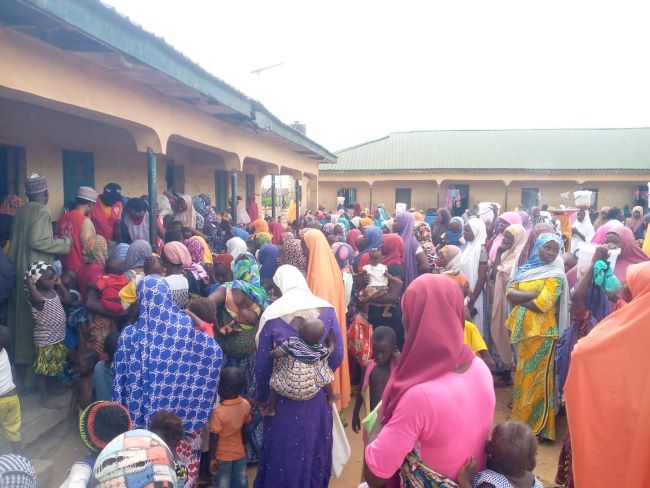
IDPs in one of the camps
Share
Facebook Twitter LinkedIn Pinterest Email

In Shiroro Local Government Area of Niger State, encompassing communities such as Kuta, Gwada, Zumba, and Erena, thousands of Internally Displaced Persons (IDPs) are grappling with the fallout of displacement. While the provision of food, clothing, medical aid, and other essentials by political officeholders, government agencies, non-governmental organizations (NGOs), and well-meaning individuals has been crucial for immediate relief, these interventions are only temporary. The long-term solution lies in empowering the displaced, helping them achieve self-reliance, and reintegrating them as productive members of society.

By Abubakar Abdullahi

Immediate Needs: Food, Clothing, Medical Aid, and Education

While essential for survival, the relief efforts in place cannot address the deeper, long-term challenges faced by the IDPs. Dependency on external aid creates a cycle of stagnation, stripping individuals of their autonomy and long-term potential. Therefore, shifting focus to sustainable solutions is paramount, ensuring that IDPs are equipped to rebuild their lives and contribute meaningfully to society.

The Need for Skill Acquisition and Vocational Training

Rather than solely continuing with short-term relief, it is time to prioritize skill acquisition and vocational training for IDPs. Offering practical skills such as tailoring, carpentry, masonry, agriculture, and information technology will empower them to generate income and regain their self-worth.

Many IDPs—whether single mothers, young men, or the elderly—were previously self-sufficient and contributed to their communities. For instance, before their displacement, women who engaged in small-scale farming were able to produce crops not only to feed their families but also to sell for income. Likewise, artisans skilled in carpentry, masonry, or tailoring could provide essential services to their communities.

Had it not been for the unfortunate victimization by bandits, these individuals could have continued their productive lives. The intervention support provided in IDP camps, while appreciated, pales in comparison to what these people could contribute if they had not been displaced. In their communities, they were able to do more than survive—they thrived and contributed to the local economy.

The benefits of vocational training programs include:

– Self-reliance: IDPs equipped with trade skills can start small businesses, support their families, and reduce dependency on external aid. 

– Economic empowerment: Skilled individuals can contribute to the local economy and create job opportunities for others. 

– Community reintegration: As IDPs gain independence through training, they will be better equipped to reintegrate into society and eventually leave the IDP camps. 

ALSO READ Banditry: Mr. President, Only Action—Not ‘Condemnation’—Can Save Shiroro Residents

– Multiplying impact: Skilled individuals can pass on their knowledge to others, creating a ripple effect that benefits not only them but the wider community.

Educating the Children of IDPs: A Critical Step for Long-Term Change

The future of the IDPs is tied to the education of their children. Access to education is crucial for breaking the cycle of poverty and displacement. Without education, the children of IDPs face a future of limited opportunities, potentially perpetuating the struggles their parents have endured.

To create lasting change, we must ensure that IDP children have access to quality education. This can be achieved through:

– Access to quality education: Provisions for schools, learning materials, and trained teachers are essential. Special measures may be required to accommodate those who have missed schooling due to displacement. 

– Scholarships and support: Scholarships, school supplies, and other support can relieve the burden on families, allowing children to attend school regularly. 

– Psychosocial support: Many children suffer from trauma caused by displacement, which hinders their ability to learn. Counseling and safe learning environments are key to addressing these challenges. 

– Vocational training for youth: Vocational programs for young adults and teenagers will equip them with practical skills, preparing them for a productive life outside the camps.

The Role of Stakeholders in Empowerment

Political officeholders, government parastatals, NGOs, and individuals have provided crucial short-term relief to IDPs. However, for a lasting impact, their focus should shift to programs that promote independence. Vocational training and skill development programs should be incorporated into ongoing interventions to ensure sustainable empowerment.

Stakeholders must design programs that meet the specific needs of the displaced population. Empowering IDPs through skill acquisition will not only help them regain independence but also serve as a model for others in their community.

Moreover, alongside education and skill acquisition, there must be an emphasis on creating sustainable livelihoods through access to microcredit, entrepreneurial support, and market access for IDP-run businesses. These resources will enable IDPs to thrive and regain their place in the local economy.

Conclusion

While short-term aid remains necessary, it is imperative to also invest in long-term solutions such as skill acquisition, vocational training, and educational support for children. These initiatives will empower IDPs to rebuild their lives, regain independence, and reintegrate into society with dignity.

As we commend the efforts of those who have supported IDPs with immediate relief, we must also advocate for sustainable programs that will break the cycle of displacement and dependency. Empowerment through skill acquisition and education is not just an option—it is a pathway toward a brighter, more self-sufficient future for the displaced people of Shiroro Local Government Area.

Together, we can help them rise above their circumstances, rebuild their lives, and contribute positively to society once again.

Abdullahi can be reached at sadeequllah19@gmail.com

IDPs Shiroro LGA
Share. Facebook Twitter Pinterest LinkedIn WhatsApp Reddit Tumblr Email
Abdoulaye Kay
  • Website

Related Posts

Insecurity: Which narrative should we believe: Fulanisation or Islamisation?

June 7, 2026

How Sultan Bello industrial and skills hubs shone at the 3rd SSASASNET conference

June 4, 2026

For how long will threats of Northerners, Muslims’ eviction from Yoruba land continue?

June 3, 2026

Leave A Reply Cancel Reply

FUTA women scientists urge commercialisation of research for national development

June 7, 2026

Sultan urges newly turbaned title holders to uphold truth, serve people diligently

June 7, 2026

Insecurity: Which narrative should we believe: Fulanisation or Islamisation?

June 7, 2026

Rising gas prices push FCT households toward traditional fuels

June 7, 2026
About Us
About Us

ASHENEWS (AsheNewsDaily.com), published by PenPlus Online Media Publishers, is an independent online newspaper. We report development news, especially on Agriculture, Science, Health and Environment as they affect the under-reported rural and urban poor.

We also conduct investigations, especially in the areas of ASHE, as well as other general interests, including corruption, human rights, illicit financial flows, and politics.

Contact Info:
  • 1st floor, Dogon Daji House, No. 5, Maiduguri Road, Sokoto
  • +234(0)7031140009
  • ashenewsdaily@gmail.com
Facebook Twitter Instagram Pinterest
© 2026 All Rights Reserved. ASHENEWS Daily Designed & Managed By DeedsTech

Type above and press Enter to search. Press Esc to cancel.