

• Home
  • Agric
  • Sci & Tech
  • Health
  • Environment
  • Hausa News
  • More
    • Business/Banking & Finance
    • POLITICS
    • Entertainments & Sports
    • International
    • Investigation
    • Law & Human Rights
    • Africa
    • ACCOUNTABILITY/CORRUPTION
    • Hassan Gimba
    • Column
    • Prof. Jibrin Ibrahim
    • Prof. M.K. Othman
    • Defense/Security
    • Education
    • Energy/Electricity
    • Entertainment/Arts & Sports
    • Society and Lifestyle
    • Food & Agriculture
    • Health & Healthy Living
    • International News
    • Interviews
    • Investigation/Fact-Check
    • LAW & HUMAN RIGHTS
    • Oil & Gas/Mineral Resources
    • PRESS FREEDOM/JOURNALISM/PR
    • General News
    • Presidency
  • About Us
    • Contact Us
    • Board Of Advisory
    • Privacy Policy
    • Ethics Policy
    • Teamwork And Collaboration Policy
    • Fact-Checking Policy
    • Advertising
  • Media OutReach Newswire
    • Wire News
  • The Stories
Facebook Twitter Instagram
Trending
  • State police debate: A point of reflection for Nigeria’s policymakers, by DIG Mohammed Usaini Gumel
  • Doctor urges prompt care for children’s seizures
  • Vegetable prices expected to rise in Lagos after flooding
  • Adedayo empowers 60 Apapa residents with fish farming equipment
  • The beautiful game in an ugly embrace: Gianni Infantino and FIFA’s political offside, by Mohammed M. Haruna, PhD, mnipr
  • Lagos residents lament rising fresh corn prices, seek year-round farming support
  • Bauchi launches N29.69bn flood, erosion control project
  • Anambra, Ebonyi, Enugu intensify flood mitigation efforts
Facebook Twitter Instagram YouTube
AsheNewsAsheNews
  • Home
  • Agric

    Vegetable prices expected to rise in Lagos after flooding

    July 19, 2026

    Adedayo empowers 60 Apapa residents with fish farming equipment

    July 19, 2026

    Lagos residents lament rising fresh corn prices, seek year-round farming support

    July 19, 2026

    FG denies raw cocoa export ban, pushes value addition

    July 18, 2026

    Nigeria to overhaul national PPR eradication strategy

    July 18, 2026
  • Sci & Tech

    Nigeria urges stronger digital evidence management, collaboration against cybercrime

    July 18, 2026

    Instanda urges insurers to embrace no-code, AI

    July 18, 2026

    Delta unveils digital platform for outdoor advertising management

    July 17, 2026

    RMRDC launches digital journal to drive innovation, industrial growth

    July 17, 2026

    Abia startup law 2025 hailed as game changer for innovation

    July 17, 2026
  • Health

    Doctor urges prompt care for children’s seizures

    July 19, 2026

    Soludo celebrates recovery of tortured boy

    July 19, 2026

    NYSC nurse transforms paediatric ward in Katsina

    July 19, 2026

    Experts call for greater male involvement in maternal, child health

    July 18, 2026

    Low routine health checks raise concern in Nigeria

    July 18, 2026
  • Environment

    Bauchi launches N29.69bn flood, erosion control project

    July 19, 2026

    Anambra, Ebonyi, Enugu intensify flood mitigation efforts

    July 19, 2026

    VP Shettima departs Abuja for ECOWAS summit in Sierra Leone

    July 19, 2026

    NEMA urges flood-prone residents to heed warnings, relocate

    July 19, 2026

    NBC to introduce new broadcasting standards for digital era

    July 19, 2026
  • Hausa News

    UNA signs MoU to launch air Bissau in Guinea-Bissau

    June 15, 2026

    Otti plans 250-room 5-star hotel in Umuahia

    April 11, 2026

    Anti-quackery task force seals 4 fake hospitals in Rivers

    August 29, 2025

    [BIDIYO] Yadda na lashe gasa ta duniya a fannin Ingilishi – Rukayya ‘yar shekara 17

    August 6, 2025

    A Saka Baki, A Sasanta Saɓani Tsakanin ‘Yanjarida Da Liman, Daga Muhammad Sajo

    May 21, 2025
  • More
    1. Business/Banking & Finance
    2. POLITICS
    3. Entertainments & Sports
    4. International
    5. Investigation
    6. Law & Human Rights
    7. Africa
    8. ACCOUNTABILITY/CORRUPTION
    9. Hassan Gimba
    10. Column
    11. Prof. Jibrin Ibrahim
    12. Prof. M.K. Othman
    13. Defense/Security
    14. Education
    15. Energy/Electricity
    16. Entertainment/Arts & Sports
    17. Society and Lifestyle
    18. Food & Agriculture
    19. Health & Healthy Living
    20. International News
    21. Interviews
    22. Investigation/Fact-Check
    23. LAW & HUMAN RIGHTS
    24. Oil & Gas/Mineral Resources
    25. PRESS FREEDOM/JOURNALISM/PR
    26. General News
    27. Presidency
    Featured
    Recent

    State police debate: A point of reflection for Nigeria’s policymakers, by DIG Mohammed Usaini Gumel

    July 19, 2026

    Doctor urges prompt care for children’s seizures

    July 19, 2026

    Vegetable prices expected to rise in Lagos after flooding

    July 19, 2026
  • About Us
    1. Contact Us
    2. Board Of Advisory
    3. Privacy Policy
    4. Ethics Policy
    5. Teamwork And Collaboration Policy
    6. Fact-Checking Policy
    7. Advertising
    Featured
    Recent

    State police debate: A point of reflection for Nigeria’s policymakers, by DIG Mohammed Usaini Gumel

    July 19, 2026

    Doctor urges prompt care for children’s seizures

    July 19, 2026

    Vegetable prices expected to rise in Lagos after flooding

    July 19, 2026
  • Media OutReach Newswire
    • Wire News
  • The Stories
AsheNewsAsheNews
Home»Oil & Gas/Mineral Resources»Between Dangote and PENGASSAN, By Bagudu Mohammed 
Oil & Gas/Mineral Resources

Between Dangote and PENGASSAN, By Bagudu Mohammed 

NewsdeskBy NewsdeskSeptember 30, 2025Updated:September 30, 2025No Comments5 Mins Read
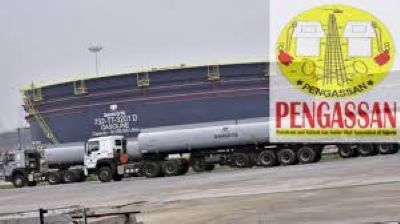
Dangote and PENGASSAN
Share
Facebook Twitter LinkedIn Pinterest Email

I am reminded today of Dr. Gimba Mohammed, who taught us Public Enterprise Management (PUB 418)—a course I not only enjoyed but also excelled in with an 88% mark. His lectures emphasized the fragile nature of public enterprises in Nigeria, their chronic inefficiencies, and why private sector participation often becomes the saving grace. As the national debate around Dangote and PENGASSAN intensifies, I find myself recalling those classroom insights with striking clarity.

Unionism is a noble right—workers should have freedom of association, assembly, and the ability to bargain for their welfare. Yet history has shown us that absolute and unchecked freedom often becomes the undoing of our public enterprises. PENGASSAN, in its push to assert dominance over Dangote Refinery, is not just exercising its mandate but, perhaps unknowingly, attempting to reproduce the very culture of inefficiency, slow bureaucracy, indecision, and waste that crippled our state-owned refineries. To echo the words of Max Weber, bureaucracy can either be the “iron cage” that organizes society efficiently, or the one that suffocates progress. In Nigeria’s case, it has too often been the latter.

The first question, therefore, is simple but profound: if PENGASSAN insists on applying its methods to Dangote Refinery, what then was the essence of private intervention in the first place? Why did we clamor for privatization, commercialization, and public-private partnerships if the public mode of operation had been so successful? If our public refineries were models of efficiency, why did we import fuel for decades while workers remained redundant?

PENGASSAN, in its decades of existence, must answer: what tangible achievements has it delivered to the Nigerian people? Can it point to saving our refineries from collapse? Can it point to sparing the nation the agony of fuel subsidies aggravated by massive importations? If anything, the contrast is glaring: in just a few years, Dangote Refinery has offered Nigerians more hope of energy stability, forex savings, and economic relief than the union has in decades of activism.

The irony grows sharper when PENGASSAN claims to be protecting jobs. What jobs, exactly? Those created by Dangote as a private individual—jobs that would never have existed without his vision and capital? It is an uncomfortable paradox: the same union that presided over the ruin of government refineries now seeks to take credit for defending opportunities it did not create. To borrow from Joseph Schumpeter, innovation is the engine of progress, but here it seems innovation is being punished for succeeding where tradition failed.

Where was PENGASSAN when Nigerian elites exported their wealth to foreign universities, foreign hospitals, and foreign businesses, creating jobs abroad while our local economy bled? Eighty percent of our elites have their investments overseas, yet the union is suddenly most vocal when a Nigerian dares to invest massively at home. Which jobs are worth defending—the non-existent ones in moribund public refineries, or the real ones Dangote created with his own resources?

That is why many Nigerians instinctively side with Dangote. They recognize that PENGASSAN’s battle is less about collective welfare and more about protecting its turf. Meanwhile, whether directly or indirectly, PENGASSAN members themselves benefit from Dangote’s intervention, just like every Nigerian who enjoys reduced fuel importation, lower forex pressure, and some measure of economic stability.

This is why I find comments such as “Dangote is sacking 800 workers, where does he expect them to go?” rather shallow. Where were those workers before the refinery existed? Isn’t the very existence of Dangote Refinery a better answer to unemployment than anything PENGASSAN has delivered in years?

To be fair, workers should have the freedom to form unions—provided they did not sign binding agreements otherwise—if only for their psychological, emotional, and welfare support. But what I cannot accept is PENGASSAN’s attempt to impose itself on a private venture, dragging it into the same quagmire of inefficiency and waste that destroyed public enterprises.

After all, Nigerians themselves have consistently shown where their confidence lies. They flock to private banks over public ones, private schools over government schools, private hospitals over public facilities. Why? Because private institutions have proven to be more reliable, efficient, and sustainable. Should we then insist that the one major private intervention in our oil sector must succumb to the old order that brought us nothing but fuel queues and subsidy fraud?

When politicians promise to privatize refineries, Nigerians hardly protest. Why? Because privatization, for all its flaws, has become the inevitable survival strategy. As Dr. Gimba taught us, public enterprises are weighed down by distorted pricing, political interference, undercapitalization, infrastructural decay, corruption, excessive subsidies, and—most disruptively—unionism that fights even the unfair battles, often to the detriment of the system itself.

That is why, between Dangote and PENGASSAN, Nigerians are forced to ask themselves: do we want to return to the suffocating “iron cage” of public inefficiency, or do we allow a new model, imperfect as it may be, to breathe life into our economy?

Bagudu can be reached at bagudumohammed15197@gmail.com or on 0703 494 3575.

Dangote refinery PENGASSAN
Share. Facebook Twitter Pinterest LinkedIn WhatsApp Reddit Tumblr Email
Newsdesk
  • Website

Related Posts

LPG retailers link price hikes to global supply disruptions

June 20, 2026

PICNG-EV boosts awareness on CNG as safer, cheaper Fuel

June 20, 2026

Oil prices steady ahead of Iran deal signing

June 16, 2026

Leave A Reply Cancel Reply

State police debate: A point of reflection for Nigeria’s policymakers, by DIG Mohammed Usaini Gumel

July 19, 2026

Doctor urges prompt care for children’s seizures

July 19, 2026

Vegetable prices expected to rise in Lagos after flooding

July 19, 2026

Adedayo empowers 60 Apapa residents with fish farming equipment

July 19, 2026
About Us
About Us

ASHENEWS (AsheNewsDaily.com), published by PenPlus Online Media Publishers, is an independent online newspaper. We report development news, especially on Agriculture, Science, Health and Environment as they affect the under-reported rural and urban poor.

We also conduct investigations, especially in the areas of ASHE, as well as other general interests, including corruption, human rights, illicit financial flows, and politics.

Contact Info:
  • 1st floor, Dogon Daji House, No. 5, Maiduguri Road, Sokoto
  • +234(0)7031140009
  • ashenewsdaily@gmail.com
Facebook Twitter Instagram Pinterest
© 2026 All Rights Reserved. ASHENEWS Daily Designed & Managed By DeedsTech

Type above and press Enter to search. Press Esc to cancel.