


Sokoto State has taken a step forward in improving access to family planning services by releasing ₦30 million for the child spacing services.
The state Program Manager of The Challenge Initiative (TCI), Dr. Bello Abubakar Kilgori disclosed this at a Devcoms/TCI Family planning Media roundtable held in Sokoto, adding that it was the first time such funding was included and implemented in the state’s health budget.
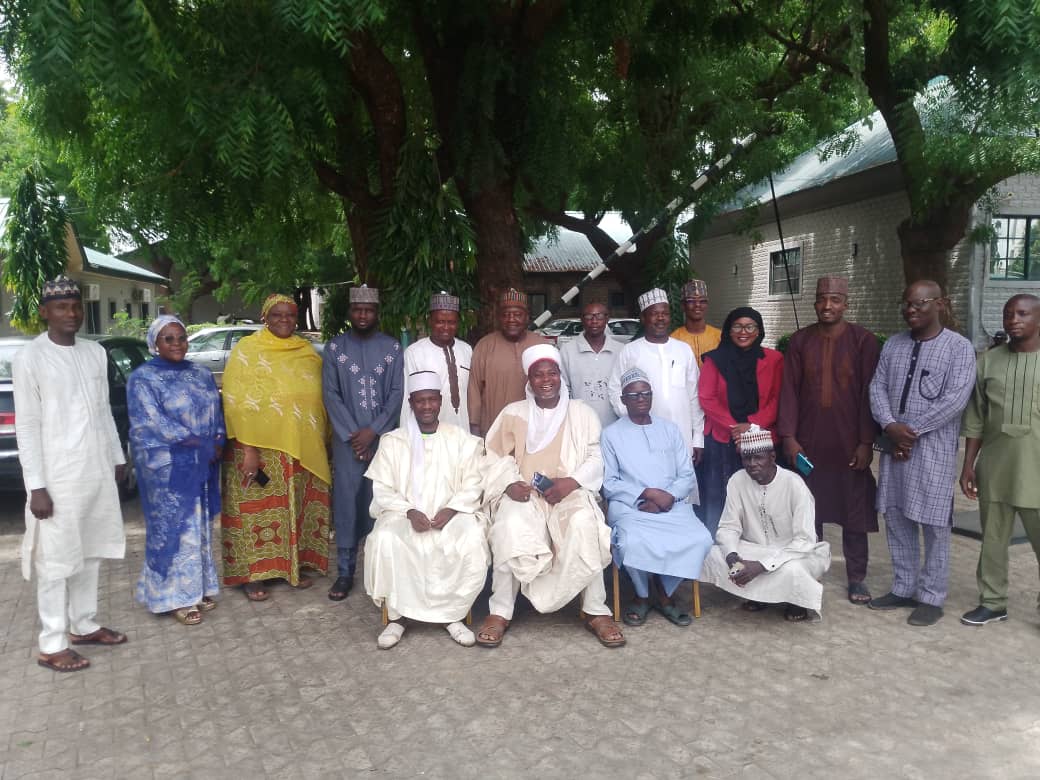
The media roundtable had in attendance, media practitioners, and traditional leaders, who came together to chart a more inclusive path for reproductive health services.
Dr. Kilgori stressed that the meeting was part of efforts to deepen collaboration, with the media and other partners with the goal of ensuring that every woman in Sokoto has the chance to make informed decisions about her reproductive health.
ASHENEWS reports that since TCI began supporting Sokoto in 2021, the state has seen noticeable improvements, with the rate of women using modern contraceptives rising from 2.1% in 2018 to 6.9% in 2025. Overall contraceptive use also increased, while the percentage of women with an unmet need for family planning dropped from 13% to 10.7%. Out of Sokoto’s 834 Primary Health Care centres, 580 now offer family planning services. In the first quarter of 2025 alone, over 300,000 women adopted a form of contraception.
These gains haven’t come easily. Sokoto once grappled with deep-rooted challenges such as cultural resistance, low government investment, poor documentation, and limited availability of family planning supplies. But those barriers are slowly being dismantled. More than 200 health workers have been trained in long-acting contraceptive methods, and data collection through the Health Management Information System (HMIS) has been strengthened.
According to Dr. Kilgori, decisions are now based on evidence, not assumptions, while affirming that the media has now been formally brought into the project’s work plan, recognizing its critical role in community education.
Traditional rulers have played a key role in this progress. Sani Umar Jabb, the District Head of Gagi, said the conversation around family planning, once considered taboo, is now welcomed, even in Mosques. He highlighted the cultural shift where women preparing for pilgrimages are required to confirm they’re not pregnant, encouraging them to consider family planning options. He urged the state government to increase funding from ₦30 million to ₦100 million to meet rising demand.
Media voices echoed the need for transparency and access to data. Mr. Abdallah el-Kurebe, CEO of ASHENEWS, said journalists need up-to-date figures to inform the public responsibly.
Mrs. Aisha Ahmed, who leads demand generation for the project, shared a revealing story. According to her, with their consents, she helped two of her domestic staff to cover the cost of family planning and was surprised when they both opted for long-term methods. Their decisions, she said, were proofs that financial barriers, not resistance, are the real issue. With support, more women would make similar choices.
The roundtable concluded with calls for increased advocacy, continued government investment, and broader community outreach. Plans include fact-checking health data, visiting local health centres, and integrating family planning education into schools. As the state prepares for the next phase of the TCI project in July, participants agreed that the progress made so far must be sustained. With committed leadership and grassroots support, family planning is no longer a fringe issue in Sokoto, it’s fast becoming part of everyday life.
