


In a massive overhaul of its healthcare infrastructure, the Niger State Government has announced the upgrade and construction of 100 Level-2 Primary Health Care (PHC) centers to be completed by the end of 2026.
Concurrently, the state has remodeled a state-of-the-art isolation center equipped to handle highly infectious diseases, including the Ebola virus, declaring total readiness for any sudden outbreaks.
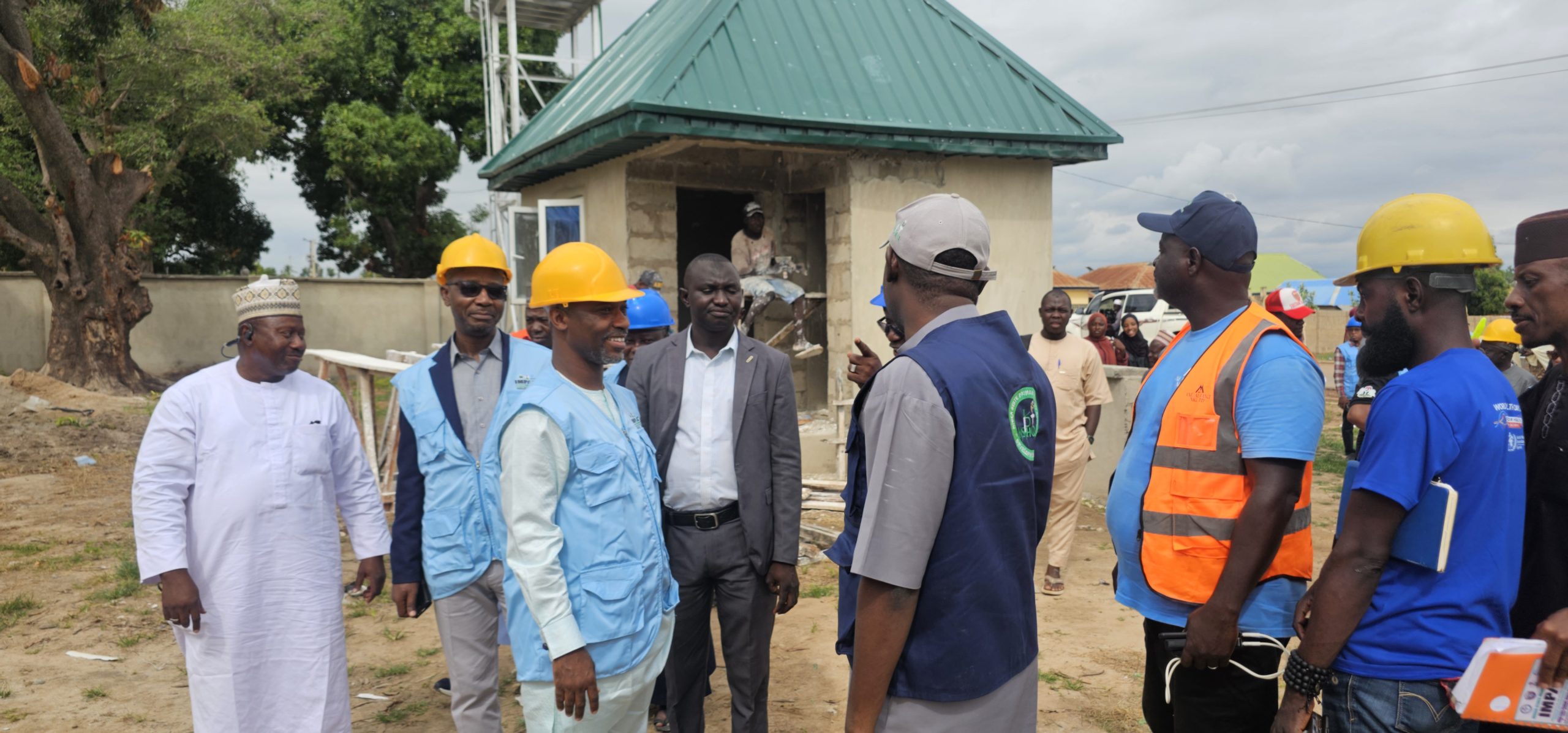
The state’s Commissioner for Health, Dr Murtala Bagana revealed these developments during an extensive supervisory tour of ongoing health projects in the Chanchaga and Bosso Local Government Areas.
The high-level delegation included the Permanent Secretary of the Ministry of Health, the Executive Director of the State Primary Health Care Development Agency, and the Chairman of the State House Assembly Committee on Health.
Massive PHC upgrades underway
Delivering on a core mandate from Governor Mohammed Umaru Bago, the Commissioner said the state is currently executing the first phase of this vision, which involves upgrading 54 existing healthcare facilities to Level-2 PHC status.
“The distribution spans across the state’s senatorial zones, with 17 facilities situated in Zone A, 17 in Zone B, and 20 in Zone C. The project is being driven through strategic partnerships with the Federal Government, UNICEF, and the World Bank’s IMPACT Project.
“By the grace of God, by the time we end this year, 2026, we will be able to have 100 Level-2 primary health care centers,” the Commissioner of Health stated.
Bagana explained that rather than starting entirely from scratch, the administration is focusing on expanding existing infrastructure to meet strict Level-2 standards.
Standard features of the new Level-2 PHCs
The Executive Director of the Niger state Primary Health Care Development Agency, Dr Junaidu Inuwa said that the level-2 PHCs would have around-the-clock (24-hour) medical services, secure perimeter fencing and dedicated security posts, solarized boreholes to ensure an uninterrupted water supply, dedicated staff quarters to keep medical personnel on-site and expanded male and female wards.
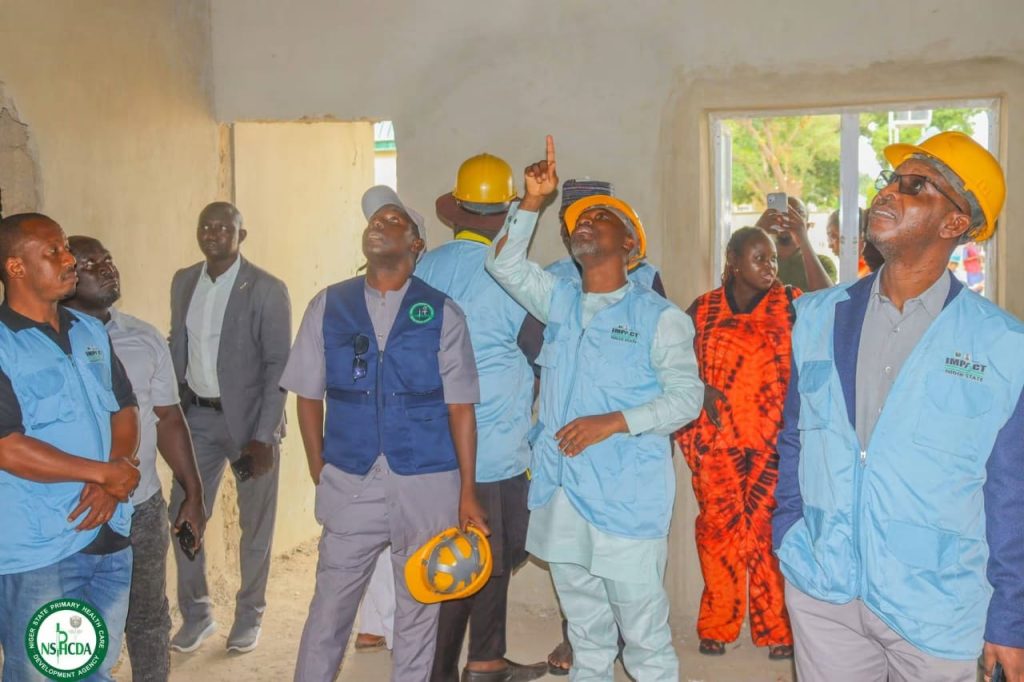
He explained that civil works for the initial phase, which began in April, are expected to conclude before the end of the rainy season, paving the way for full equipment installation and commissioning later this year.
To prevent delays in service delivery, Inuwa said that the state is already mapping out existing human resources to ensure the facilities are fully manned upon completion.
Advanced outbreak preparedness
Beyond primary care, the state has taken aggressive steps in public health security by heavily remodeling its disease isolation center.
Dr. Ibrahim Idris, Director of Public Health at the Niger State Ministry of Health, confirmed that the upgraded isolation facility utilizes a strict unidirectional movement system designed to completely eliminate cross-contamination.
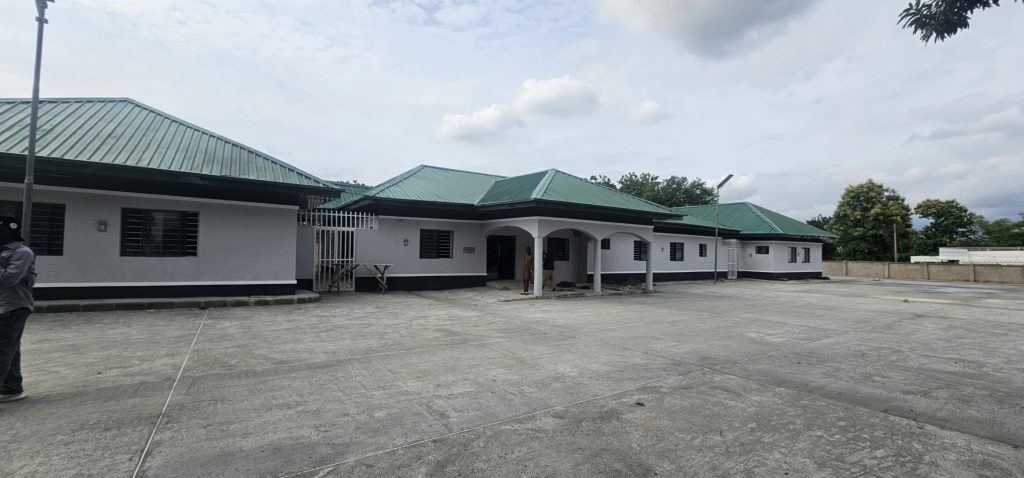
“The inside has been remodeled to be able to serve what it’s supposed to serve now. The staff enters through a clean area, changes into PPE, and is not supposed to come back through that route. They exit through another door where they will be decontaminated,” Idris explained.
Key features of the upgraded isolation center
He said that the isolation center has strict separation of suspected cases from confirmed positive cases, an in-house pharmacy and dedicated testing laboratory, enhanced security and perimeter fencing, and comprehensive decontamination exit routes for both patients and medical staff.
When asked about the state’s capacity to handle highly infectious diseases like Ebola, Idris expressed total confidence. “We are very, very ready. If we have an outbreak today, just know that Niger state is ready.”
Navigating security and community relations
While the infrastructure drive is statewide, the Commissioner noted that current security challenges in certain areas have influenced the deployment of resources.
He said the government is prioritizing the safety of its contractors adding that in areas deemed high-risk, funds and resources are being reprogrammed to build facilities in safer, more feasible locations.
At the community level, the initiative is already being met with high praise, the Executive Director of the State Primary Health Care Development Agency noted that despite initial challenges regarding land encroachment, local leaders and residents are now fully on board.
“What they have been using was just a small facility with a few rooms,” he said. “With this massive upgrade, we are expanding the continuum of care, from maternal and neonatal child health, immunization, and family planning to treating minor ailments.”
Legislative backing
The sweeping infrastructural upgrades have earned strong legislative approval. Honorable Umar Paiko, representing the Bosso Constituency and serving as the Chairman of the House Committee on Health, Nutrition, and Primary Care, expressed deep satisfaction with the progress.
“The Governor has concentrated massively in the health sectors, and the contractors are also doing a great job,” Paiko stated during the tour.
“As the Chairman of the House Committee on Health, my oversight work has been reduced to a certain level because the work on the ground is fantastic. I personally applaud them.”
