


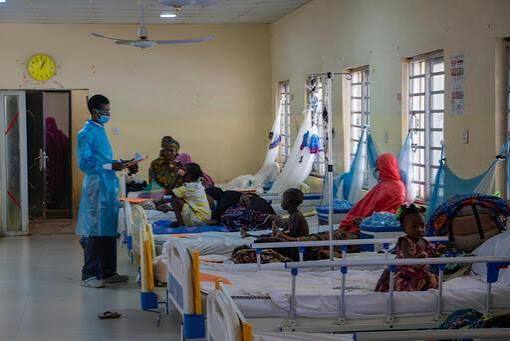
Nigeria’s healthcare system is under increasing pressure as the migration of frontline health workers, especially doctors and nurses, continues to rise. This exodus has left many hospitals understaffed and patients struggling to access quality care nationwide.
Popularly known as “Japa syndrome,” the migration of healthcare professionals to countries such as the United Kingdom, Canada, the United States, and Saudi Arabia has raised concerns among experts, government officials, and citizens.
In interviews with reporters on Monday in Abuja, some medical practitioners identified poor salaries, inadequate working conditions, insecurity, and limited career opportunities as the major reasons many healthcare professionals are leaving the country.
A medical doctor at General Hospital Suleja, Dr. Mercy Agu, described the situation as alarming. She noted that hospitals are becoming overwhelmed as experienced personnel continue to leave for better opportunities abroad.
“Many hospitals are overwhelmed because experienced personnel are leaving almost every month. Doctors now attend to more patients than they should, and this affects service delivery,” Agu said.
According to her, many healthcare workers endure long hours with little motivation, while the rising cost of living and poor welfare conditions have made staying in the profession increasingly difficult.
Another physician, Dr. Grace Okafor, said the migration trend has placed enormous pressure on the remaining healthcare workers, leading to exhaustion, stress, and rising cases of burnout across medical departments.
“We are exhausted. In some departments, a handful of doctors now handle duties meant for many people. Burnout is becoming common,” Okafor said, expressing concern over the worsening workforce shortages.
A Nigerian doctor currently practising in the United Kingdom, Dr. Munir Abdulazeez, said leaving Nigeria was difficult, but poor working conditions and limited opportunities made the decision unavoidable for many.
“I loved serving in Nigeria, but the environment was discouraging. Better pay, access to modern equipment, and career advancement opportunities influenced my decision,” Abdulazeez said.
Similarly, a nurse who recently relocated to Canada, Mrs. Rauda Bello, said many healthcare workers leave in search of dignity, stability, and better welfare conditions lacking in Nigeria’s health system.
“In Nigeria, healthcare workers often work under stressful conditions without adequate support. Abroad, there is respect for the profession and better welfare packages,” Bello said.
Health analysts warned that the continued migration of skilled professionals could further weaken Nigeria’s fragile healthcare system, especially in rural communities where access to qualified medical personnel is already severely limited.
Public health experts emphasised the urgent need for policies that encourage healthcare workers to stay in Nigeria, alongside strengthened training institutions, improved welfare packages, and better working conditions across the sector.
