


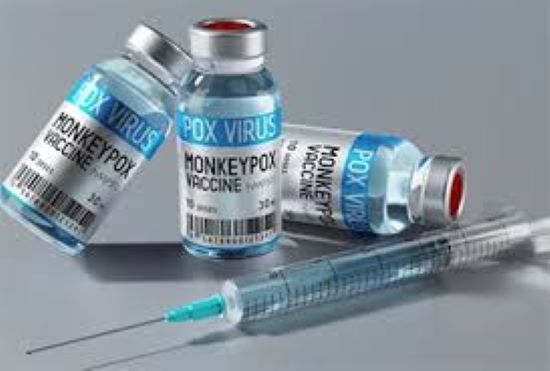
A global initiative to establish an mpox vaccine stockpile has been inaugurated, creating a long-term mechanism for countries to access vaccines during outbreaks and strengthening preparedness against the disease worldwide, agencies announced jointly.
The agencies, in a statement issued on Thursday, said the initiative, approved by Gavi’s Board in 2025 and funded by Gavi, the Vaccine Alliance, was designed to support equitable outbreak responses and improve timely access to vaccines globally.
“The International Coordinating Group on Vaccine Provision will coordinate the stockpile.
“It will work alongside the World Health Organization (WHO), the United Nations Children’s Fund (UNICEF), the International Federation of Red Cross and Red Crescent Societies (IFRC) and Médecins Sans Frontières (MSF).
“The mechanism builds on the Access and Allocation Mechanism established in 2024 during the previous mpox Public Health Emergency of International Concern, strengthening efforts to improve global vaccine distribution during outbreaks.
“Countries worldwide will be able to access the stockpile, helping ensure vaccine availability is determined by outbreak needs rather than purchasing power,” the statement said, highlighting the initiative’s equity-driven approach.
According to the agencies, the initiative aims to ensure vaccines reach populations at greatest risk quickly, enabling countries to contain outbreaks before wider transmission occurs and reducing public health threats.
The agencies noted that mpox continues to cause outbreaks globally, with approximately two-thirds of reported cases occurring in the WHO African Region, underscoring the need for sustained preventive measures.
“Between 1 January 2022 and 31 July 2026, 145 countries and territories reported 190,683 confirmed mpox cases and 529 deaths,” the statement said, highlighting the disease’s continued global impact.
According to the agencies, mpox spreads primarily through close physical contact between people, while animal-to-human transmission continues to occur in parts of Africa.
The agencies warned of persistent risks of transmission globally.
“Animal-to-human transmission contributes to the continuing risk of new outbreaks, particularly in areas where people have close contact with infected animals,” it added, emphasising the importance of vigilance.
The statement said mpox could cause severe disease, especially among children and people with suppressed immune systems, making timely vaccination particularly important for reducing complications and improving health outcomes.
“Vaccines help protect people at risk, contain outbreaks more rapidly, prevent severe illness and reduce deaths associated with mpox,” the statement said, emphasising the benefits of vaccination programmes.
According to the agencies, Gavi said the 2022 mpox outbreak exposed significant inequalities in vaccine access, particularly affecting lower-income countries that struggled to secure adequate supplies during emergencies.
Gavi noted that its support for the 2024 emergency response demonstrated the importance of securing rapid vaccine access during outbreaks and ensuring vulnerable populations receive timely protection.
The IFRC said the global coordination mechanism would help vaccines reach people and communities at greatest risk when and where they were needed during future outbreak responses.
According to the statement, MSF welcomed the stockpile, emphasising that different mpox variants affect different populations and require closer collaboration across health systems to strengthen outbreak management efforts.
UNICEF highlighted the particular impact of mpox on children, including physical effects, stigma, interrupted learning and separation from family and friends, underscoring the broader social consequences.
WHO Director-General Tedros Ghebreyesus said the stockpile represented a more sustainable and equitable approach to mpox outbreak response, helping countries secure vaccines when urgently required.
According to Ghebreyesus, faster vaccine access could save lives and help contain outbreaks before they spread further, strengthening global protection against mpox and enhancing collective health security.
