


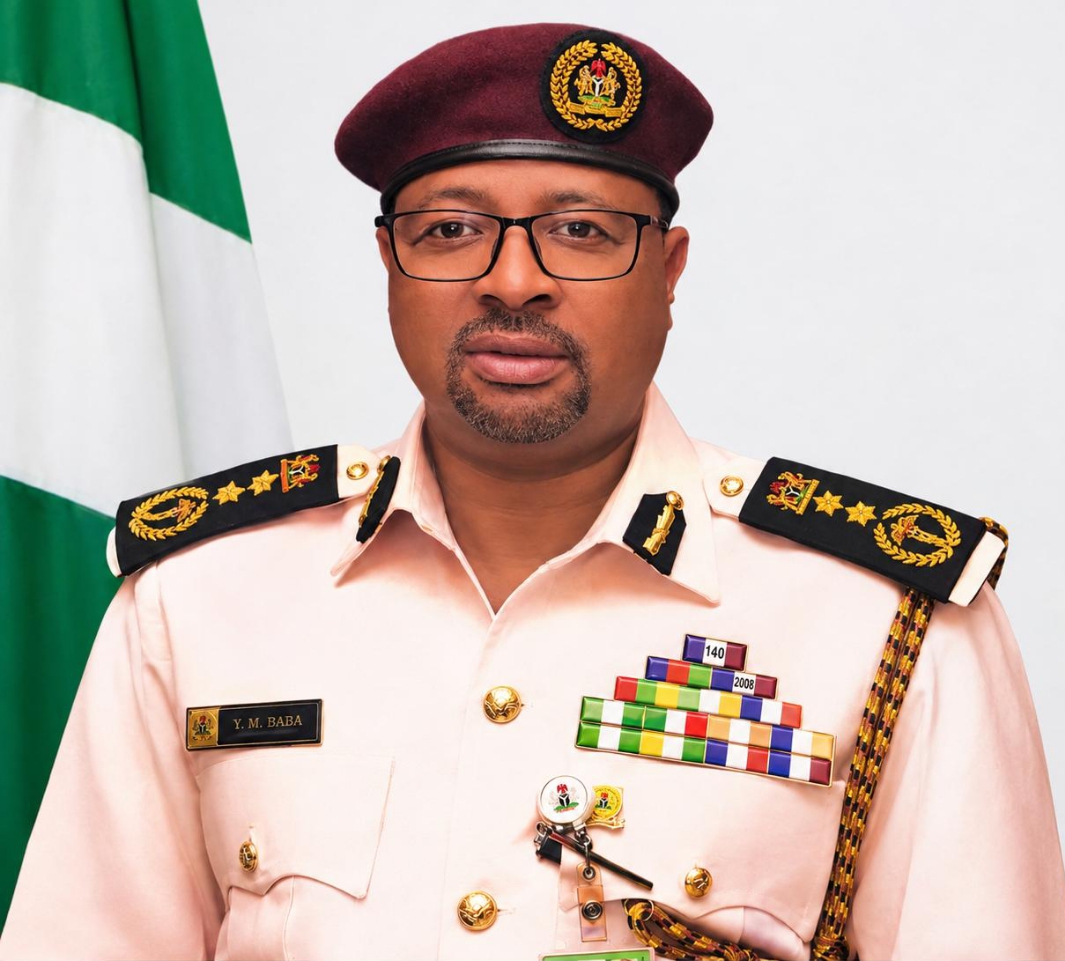
Dr Yakubu Baba, Registrar of the Environmental Health Council of Nigeria (EHCON), says Nigerians spend an estimated N3.75 trillion annually treating malaria.
Baba made this known in an interview with reporters in Abuja on Wednesday, describing the annual expenditure as a “malaria tax” on Nigerians.
He said the cost could be reduced by strengthening environmental health services and taking preventive measures to address the conditions that enable diseases to spread.
The registrar was responding to calls to restore effective sanitary inspections across the country to improve environmental hygiene and public health.
He said Nigeria could reduce the burden of preventable diseases on health facilities by prioritising environmental health services.
According to Baba, with a population of more than 250 million and each person experiencing malaria at least twice or thrice a year, treatment costs place a significant financial burden on households.
“With over 250 million Nigerians, and each person suffering malaria at least twice or thrice a year at an average treatment cost of N5,000, every Nigerian spends about N15,000 yearly on malaria alone.
“Multiply N15,000 by 250 million. This is what we are paying as tax,” he said.
Baba said malaria also contributed to high morbidity and mortality, especially among children under five.
He explained that effective disease control required tackling the sources of infection, particularly when diseases are transmitted by vectors.
“According to epidemiology, if a disease is caused by a vector, eliminating the disease requires targeting the vector,” he said.
The registrar also identified poor sanitation and open defecation as factors contributing to recurring cholera outbreaks.
He said rainfall could wash human waste into streams and other water sources, contaminating water and vegetables consumed by residents.
“Anytime rains come, because of our habit, people defecate everywhere. And when rain comes, it washes it to the stream.
“Even those who think they are in the city, their vegetables and tomatoes are coming from that river. If they are not washed well, cholera does not segregate between rich and poor,” he said.
Baba said stronger public and environmental health services would significantly reduce the incidence of preventable diseases.
He expressed concern about the emphasis on establishing teaching hospitals, specialist hospitals and federal medical centres without corresponding investment in primary-level preventive health services.
According to him, bills are regularly sponsored in the National Assembly to establish or upgrade tertiary health institutions, while little attention is given to providing health posts for preventive services.
He also raised concerns about the quality of bottled water consumed by Nigerians, saying EHCON recently tested three bottled water brands during an engagement involving the World Health Organisation (WHO).
Baba said the tests detected E. coli in all three samples, with only one brand meeting the required standard.
He said the findings showed that urban residents were also exposed to environmental health risks, despite their perception of being better protected.
“Who is supposed to do all this? It is the environmental health officers, who are not being employed by government,” he said.
The registrar said environmental health officers had statutory powers to inspect premises and enforce public health regulations.
He said the officers were legally empowered to enter premises without a warrant for inspection and could make arrests under the Public Health Law.
Baba urged governments to employ more environmental health officers and assign them specific areas of responsibility to strengthen sanitation monitoring and enforcement.
He said such arrangements could also generate revenue for governments through environmental health services.
“Give them a franchise of an area so that they can be able to provide their services and also generate revenue for you because there is revenue component also in environmental health,” he said.
