

• Home
  • Agric
  • Sci & Tech
  • Health
  • Environment
  • Hausa News
  • More
    • Business/Banking & Finance
    • POLITICS
    • Entertainments & Sports
    • International
    • Investigation
    • Law & Human Rights
    • Africa
    • ACCOUNTABILITY/CORRUPTION
    • Hassan Gimba
    • Column
    • Prof. Jibrin Ibrahim
    • Prof. M.K. Othman
    • Defense/Security
    • Education
    • Energy/Electricity
    • Entertainment/Arts & Sports
    • Society and Lifestyle
    • Food & Agriculture
    • Health & Healthy Living
    • International News
    • Interviews
    • Investigation/Fact-Check
    • LAW & HUMAN RIGHTS
    • Oil & Gas/Mineral Resources
    • PRESS FREEDOM/JOURNALISM/PR
    • General News
    • Presidency
  • About Us
    • Contact Us
    • Board Of Advisory
    • Privacy Policy
    • Ethics Policy
    • Teamwork And Collaboration Policy
    • Fact-Checking Policy
    • Advertising
  • Media OutReach Newswire
    • Wire News
  • The Stories
Facebook Twitter Instagram
Trending
  • ADC chairmen threaten nationwide protest, demand Mark’s removal from INEC portal
  • Katsina leads states with lowest skilled antenatal care coverage
  • NISO links power cuts to gas, hydropower constraints
  • Sokoto flags off polio campaign across 23 LGAs, urges parents to vaccinate children
  • Sam pharmaceutical backs local drug production
  • Abuja to host AIB agribusiness summit
  • Adamawa communities receive 620 seedlings
  • Naira falls to N1,350.45/$ at NFEM, extends November losses
Facebook Twitter Instagram YouTube
AsheNewsAsheNews
  • Home
  • Agric

    Abuja to host AIB agribusiness summit

    November 6, 2026

    ActionAid seeks greater youth influence on climate policy

    November 6, 2026

    Enugu expands agricultural investments

    November 5, 2026

    UNDP-backed project supports farmers in Adamawa

    November 5, 2026

    NAFN calls for stakeholder participation in 2026 agricultural show

    November 5, 2026
  • Sci & Tech

    Experts call for funding, data sharing to sustain dashboard

    November 5, 2026

    Biotech can boost Nigeria’s food production, Experts say

    November 5, 2026

    NOTAP pushes local skills in manufacturing

    November 4, 2026

    Nigeria targets 1,000 new CNG stations

    November 4, 2026

    GIGM expands into air travel, tourism

    November 4, 2026
  • Health

    Katsina leads states with lowest skilled antenatal care coverage

    November 6, 2026

    Sokoto flags off polio campaign across 23 LGAs, urges parents to vaccinate children

    November 6, 2026

    Sam pharmaceutical backs local drug production

    November 6, 2026

    FCTA, UNICEF train communities to protect children

    November 6, 2026

    NARD threatens action over proposed doctor penalties

    November 6, 2026
  • Environment

    NISO links power cuts to gas, hydropower constraints

    November 6, 2026

    Adamawa communities receive 620 seedlings

    November 6, 2026

    PEPSA targets open defecation in Jos South

    November 6, 2026

    Benin-Sapele road rehabilitation resumes after rains

    November 5, 2026

    Coalition urges action on Bille gas eruptions

    November 5, 2026
  • Hausa News

    UNA signs MoU to launch air Bissau in Guinea-Bissau

    June 15, 2026

    Otti plans 250-room 5-star hotel in Umuahia

    April 11, 2026

    Anti-quackery task force seals 4 fake hospitals in Rivers

    August 29, 2025

    [BIDIYO] Yadda na lashe gasa ta duniya a fannin Ingilishi – Rukayya ‘yar shekara 17

    August 6, 2025

    A Saka Baki, A Sasanta Saɓani Tsakanin ‘Yanjarida Da Liman, Daga Muhammad Sajo

    May 21, 2025
  • More
    1. Business/Banking & Finance
    2. POLITICS
    3. Entertainments & Sports
    4. International
    5. Investigation
    6. Law & Human Rights
    7. Africa
    8. ACCOUNTABILITY/CORRUPTION
    9. Hassan Gimba
    10. Column
    11. Prof. Jibrin Ibrahim
    12. Prof. M.K. Othman
    13. Defense/Security
    14. Education
    15. Energy/Electricity
    16. Entertainment/Arts & Sports
    17. Society and Lifestyle
    18. Food & Agriculture
    19. Health & Healthy Living
    20. International News
    21. Interviews
    22. Investigation/Fact-Check
    23. LAW & HUMAN RIGHTS
    24. Oil & Gas/Mineral Resources
    25. PRESS FREEDOM/JOURNALISM/PR
    26. General News
    27. Presidency
    Featured
    Recent

    ADC chairmen threaten nationwide protest, demand Mark’s removal from INEC portal

    November 6, 2026

    Katsina leads states with lowest skilled antenatal care coverage

    November 6, 2026

    NISO links power cuts to gas, hydropower constraints

    November 6, 2026
  • About Us
    1. Contact Us
    2. Board Of Advisory
    3. Privacy Policy
    4. Ethics Policy
    5. Teamwork And Collaboration Policy
    6. Fact-Checking Policy
    7. Advertising
    Featured
    Recent

    ADC chairmen threaten nationwide protest, demand Mark’s removal from INEC portal

    November 6, 2026

    Katsina leads states with lowest skilled antenatal care coverage

    November 6, 2026

    NISO links power cuts to gas, hydropower constraints

    November 6, 2026
  • Media OutReach Newswire
    • Wire News
  • The Stories
AsheNewsAsheNews
Home»Health & Healthy Living»First in the world: Duke-NUS, NHCS scientists regenerate diseased kidney
Health & Healthy Living

First in the world: Duke-NUS, NHCS scientists regenerate diseased kidney

Abdallah el-KurebeBy Abdallah el-KurebeMarch 22, 2023Updated:March 22, 2023No Comments4 Mins Read
Share
Facebook Twitter LinkedIn Pinterest Email

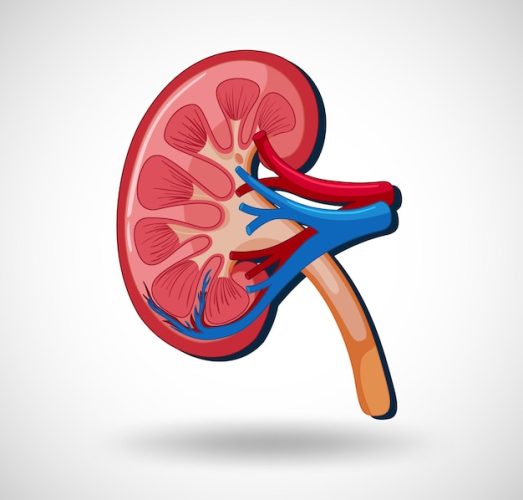
In a world first, scientists at Duke-NUS Medical School, the National Heart Centre Singapore (NHCS) and colleagues in Germany have shown that regenerative therapy to restore impaired kidney function may soon be a possibility.

Blocking an immune-regulating protein reverses the damage caused by acute and chronic kidney disease, a preclinical study suggests.

Researchers in Singapore and Germany have found that renal tubular cells, which line the tiny tubes inside kidneys, release interleukin-11 (IL-11), a scar-regulating protein, in response to kidney damage. This leads to increased expression of a gene that arrests cellular growth and promotes kidney dysfunction. In a preclinical model of human diabetic kidney disease, the scientists showed that turning off this process by administering an antibody that binds to IL-11 led to proliferation of the kidney tubule cells and reversal of fibrosis and inflammation, enabling damaged kidney cells to regenerate and restoring impaired kidney function.

In a preclinical study reported in Nature Communications, the team found that blocking a damaging and scar-regulating protein called interleukin-11 (IL-11) enables damaged kidney cells to regenerate, restoring impaired kidney function due to disease and acute injuries.

“Kidney failure is a global epidemic,” said Assistant Professor Anissa Widjaja, a molecular biologist with Duke-NUS’ Cardiovascular & Metabolic Disorders (CVMD) Signature Research Programme.

“Closer to home, Singapore ranks first in the world for diabetes-induced kidney failure and fourth in terms of kidney failure prevalence. The contribution of chronic kidney disease to mortality is rapidly increasing, suggesting there are shortcomings in current therapeutic approaches.”

Searching for ways to restore the kidney’s ability to regenerate damaged cells, Asst Prof Widjaja worked with Professor Stuart Cook, Tanoto Foundation Professor of Cardiovascular Medicine at the SingHealth Duke-NUS Academic Medical Centre and the CVMD Programme, and Clinician Scientist and Senior Consultant with the Department of Cardiology, NHCS, and Duke-NUS Dean Professor Thomas Coffman, a world-leading nephrologist. They teamed up with scientists in Germany to investigate the role of IL-11, which is known to trigger scarring in other organs, including the liver, lungs and heart, in acute and chronic kidney disease.

Their findings implicate the protein in triggering a cascade of molecular processes in response to kidney injury that leads to inflammation, fibrosis (scarring) and loss of function. They also discovered that inhibiting IL-11 with a neutralising antibody can prevent and even reverse kidney damage in this setting.

“We found that IL-11 is detrimental to kidney function and triggers the development of chronic kidney disease,” said Professor Cook. “We also showed that anti-IL11 therapy can treat kidney failure, reverse established chronic kidney disease, and restore kidney function by promoting regeneration in mice, while being safe for long term use.”

More specifically, the researchers showed that renal tubular cells, which line the tiny tubes inside kidneys, release IL-11 in response to kidney damage. This turns on a signalling cascade that ultimately leads to increased expression of a gene, called Snail Family Transcriptional Repressor 1 (SNAI1), which arrests cellular growth and promotes kidney dysfunction.

In a preclinical model of human diabetic kidney disease, turning off this process by administering an antibody that binds to IL-11 led to proliferation of the kidney tubule cells and reversal of fibrosis and inflammation, resulting in the regeneration of the injured kidney and the restoration of renal function.

While clinical trials of an antibody that binds to another pro-fibrotic molecule called transforming growth factor beta have been unsuccessful, this new approach brings hope of a new target.

“By boosting the kidney’s intrinsic capability to regenerate, Prof Cook and Asst Prof Widjaja have shown that we can restore function to a damaged kidney,” said Prof Coffman, who is also the principal investigator of the Diabetes Study in Nephropathy and other Microvascular Complications (DYNAMO), a large collaborative study that aims to find new solutions for the prevention and treatment of diabetic kidney disease. “This discovery could be a real game-changer in the treatment of chronic kidney disease—which is a major public health concern in Singapore and globally—bringing us one step closer to delivering the benefits promised by regenerative medicine.”

This discovery could be a real game-changer in the treatment of chronic kidney disease—which is a major public health concern in Singapore and globally—bringing us one step closer to delivering the benefits promised by regenerative medicine.

Professor Thomas M. Coffman, Dean of Duke-NUS Medical School, a nephrologist and co-author of the study

www.asiaresearchnews.com

Diseased kidney Duke-NUS Medical School Regeneration scientists
Share. Facebook Twitter Pinterest LinkedIn WhatsApp Reddit Tumblr Email
Abdallah el-Kurebe
  • Website
  • Facebook
  • Twitter
  • LinkedIn

Related Posts

Katsina leads states with lowest skilled antenatal care coverage

November 6, 2026

Sokoto flags off polio campaign across 23 LGAs, urges parents to vaccinate children

November 6, 2026

Sam pharmaceutical backs local drug production

November 6, 2026

Leave A Reply Cancel Reply

ADC chairmen threaten nationwide protest, demand Mark’s removal from INEC portal

November 6, 2026

Katsina leads states with lowest skilled antenatal care coverage

November 6, 2026

NISO links power cuts to gas, hydropower constraints

November 6, 2026

Sokoto flags off polio campaign across 23 LGAs, urges parents to vaccinate children

November 6, 2026
About Us
About Us

ASHENEWS (AsheNewsDaily.com), published by PenPlus Online Media Publishers, is an independent online newspaper. We report development news, especially on Agriculture, Science, Health and Environment as they affect the under-reported rural and urban poor.

We also conduct investigations, especially in the areas of ASHE, as well as other general interests, including corruption, human rights, illicit financial flows, and politics.

Contact Info:
  • 1st floor, Dogon Daji House, No. 5, Maiduguri Road, Sokoto
  • +234(0)7031140009
  • ashenewsdaily@gmail.com
Facebook Twitter Instagram Pinterest
© 2026 All Rights Reserved. ASHENEWS Daily Designed & Managed By DeedsTech

Type above and press Enter to search. Press Esc to cancel.