


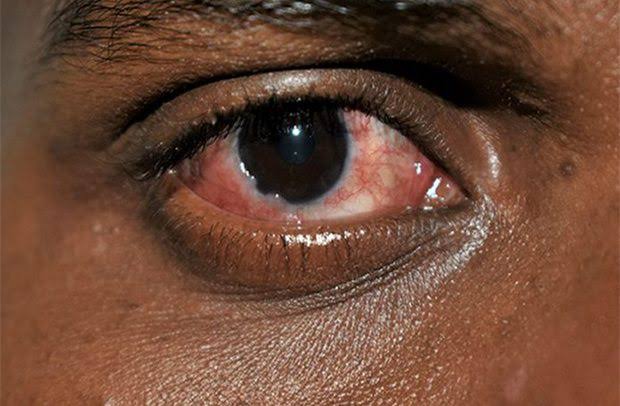
As the conjunctivitis, popularly called Apolo, outbreak continues to raise concerns, health authorities and public health experts are urging individuals and communities to take simple but effective precautions to prevent further transmission.
While healthcare workers play a critical role in managing infections, experts stress that controlling an outbreak starts with everyday actions at home, in schools, workplaces and other places where people interact.
What is Apolo?
Apolo is a contagious viral illness that can spread quickly from one person to another, particularly in crowded environments or places where people have close contact.
Transmission can occur through direct contact with an infected person, contaminated hands, respiratory droplets, or objects and surfaces contaminated with the virus.
There is currently no specific cure for Apolo. Treatment is mainly supportive, focusing on relieving symptoms, maintaining hydration, controlling fever and managing complications while the body’s immune system fights the infection.
ALSO READ [EXPLAINER] What is a hidden hernia, its causes, symptoms and treatment?
With no specific treatment available, prevention remains particularly important.
How does Apolo spread?
The infection can move through everyday activities when an infected person comes into close contact with others or when contaminated hands, objects or surfaces are touched.
This means that seemingly ordinary actions—such as touching the face with unwashed hands, sharing personal items or failing to clean frequently touched surfaces—can contribute to transmission.
How can you protect yourself?
Everyone has a role in breaking the chain of transmission. Key preventive measures include:
Wash your hands regularly: Use soap and clean running water for at least 20 seconds. Where these are unavailable, use an alcohol-based hand sanitiser.
Keep your hands away from your face: Avoid touching your eyes, nose and mouth with unwashed hands.
Practise respiratory hygiene: Cover your mouth and nose when coughing or sneezing.
Avoid close contact with sick people: Keep a reasonable distance from individuals who are ill or showing symptoms.
Stay home when sick: Anyone who develops symptoms should avoid unnecessary contact with others and seek medical attention.
Clean frequently touched surfaces: Regularly clean and disinfect surfaces that are commonly handled.
Do not share personal items: Avoid sharing towels, cups, utensils, handkerchiefs and other personal belongings.
Improve ventilation: Keep homes, classrooms, offices and other indoor spaces adequately ventilated.
Why is IPC important?
Infection Prevention and Control, or IPC, is often associated with hospitals, but its importance extends far beyond healthcare facilities.
Good IPC practices at home, in schools, workplaces and public spaces can help reduce the opportunities for infectious diseases to spread.
This includes maintaining proper hand hygiene, keeping surroundings clean, reporting symptoms early, seeking prompt medical attention and following public health guidance.
Families, teachers, employers and community leaders can also help by ensuring that people have accurate information about prevention and understand the importance of good hygiene.
What should communities do?
Preventing an outbreak from spreading requires collective action.
Parents should encourage children to wash their hands regularly. Schools and workplaces should maintain clean facilities and provide access to handwashing points or sanitiser. Individuals who become sick should take precautions to avoid exposing others.
Most importantly, communities should rely on information from credible health authorities rather than unverified claims or rumours.
The bottom line
The fight against Apolo is not the responsibility of healthcare workers alone. Every individual has a role to play.
Regular handwashing, good respiratory hygiene, environmental cleanliness, adequate ventilation and responsible behaviour when sick can help reduce the spread of infection.
Clean hands can protect lives. Make hand hygiene a daily habit—not just something practised during an outbreak.
Together for Better Health.
