

• Home
  • Agric
  • Sci & Tech
  • Health
  • Environment
  • Hausa News
  • More
    • Business/Banking & Finance
    • POLITICS
    • Entertainments & Sports
    • International
    • Investigation
    • Law & Human Rights
    • Africa
    • ACCOUNTABILITY/CORRUPTION
    • Hassan Gimba
    • Column
    • Prof. Jibrin Ibrahim
    • Prof. M.K. Othman
    • Defense/Security
    • Education
    • Energy/Electricity
    • Entertainment/Arts & Sports
    • Society and Lifestyle
    • Food & Agriculture
    • Health & Healthy Living
    • International News
    • Interviews
    • Investigation/Fact-Check
    • LAW & HUMAN RIGHTS
    • Oil & Gas/Mineral Resources
    • PRESS FREEDOM/JOURNALISM/PR
    • General News
    • Presidency
  • About Us
    • Contact Us
    • Board Of Advisory
    • Privacy Policy
    • Ethics Policy
    • Teamwork And Collaboration Policy
    • Fact-Checking Policy
    • Advertising
  • Media OutReach Newswire
    • Wire News
  • The Stories
Facebook Twitter Instagram
Trending
  • Comment l’initiative nigériane sur les données de l’élevage renforce le ReJPAH-AOS, par Abdallah el-Kurebe
  • How Nigeria’s livestock data initiative boosts ReJPAH-AOS, by Abdallah el-Kurebe
  • GKF, UniAbuja launch waste to wealth facility
  • NCC advances transparent pricing for fibre sharing
  • Gombe farmers worried over rainfall
  • Care Haven promotes elderly dementia awareness
  • Kaduna begins grassroots flood preparedness training
  • Farmers push for better pineapple value-chain development
Facebook Twitter Instagram YouTube
AsheNewsAsheNews
  • Home
  • Agric

    Comment l’initiative nigériane sur les données de l’élevage renforce le ReJPAH-AOS, par Abdallah el-Kurebe

    July 8, 2026

    How Nigeria’s livestock data initiative boosts ReJPAH-AOS, by Abdallah el-Kurebe

    July 8, 2026

    Gombe farmers worried over rainfall

    July 8, 2026

    Farmers push for better pineapple value-chain development

    July 8, 2026

    Lagos consumers switch to cheaper food options amid rising prices

    July 8, 2026
  • Sci & Tech

    NCC advances transparent pricing for fibre sharing

    July 8, 2026

    IHVN, partners launch Lassa fever research to support vaccine development in Bauchi

    July 8, 2026

    Meta rolls out first in-house AI image generator across WhatsApp, Instagram, Facebook

    July 8, 2026

    Nigeria begins enforcement of new identity law, phases out physical ID cards

    July 7, 2026

    Czech ambassador calls for investment in Nigeria’s youth innovation

    July 6, 2026
  • Health

    Care Haven promotes elderly dementia awareness

    July 8, 2026

    Akara: Africa’s bean cake driving nutrition and trade – Fakunle Aremu

    July 8, 2026

    UN human rights council adopts first resolution on neglected tropical diseases

    July 8, 2026

    Malaria consortium launches 2026 SMC campaign in Plateau

    July 8, 2026

    Kano tops Nigeria in BHCPF enrolment

    July 8, 2026
  • Environment

    GKF, UniAbuja launch waste to wealth facility

    July 8, 2026

    Kaduna begins grassroots flood preparedness training

    July 8, 2026

    NAMA urges FG to protect local auto industry

    July 8, 2026

    COREN unveils new strategy to boost engineering regulation

    July 8, 2026

    NCAA warns against reducing Its revenue share

    July 8, 2026
  • Hausa News

    UNA signs MoU to launch air Bissau in Guinea-Bissau

    June 15, 2026

    Otti plans 250-room 5-star hotel in Umuahia

    April 11, 2026

    Anti-quackery task force seals 4 fake hospitals in Rivers

    August 29, 2025

    [BIDIYO] Yadda na lashe gasa ta duniya a fannin Ingilishi – Rukayya ‘yar shekara 17

    August 6, 2025

    A Saka Baki, A Sasanta Saɓani Tsakanin ‘Yanjarida Da Liman, Daga Muhammad Sajo

    May 21, 2025
  • More
    1. Business/Banking & Finance
    2. POLITICS
    3. Entertainments & Sports
    4. International
    5. Investigation
    6. Law & Human Rights
    7. Africa
    8. ACCOUNTABILITY/CORRUPTION
    9. Hassan Gimba
    10. Column
    11. Prof. Jibrin Ibrahim
    12. Prof. M.K. Othman
    13. Defense/Security
    14. Education
    15. Energy/Electricity
    16. Entertainment/Arts & Sports
    17. Society and Lifestyle
    18. Food & Agriculture
    19. Health & Healthy Living
    20. International News
    21. Interviews
    22. Investigation/Fact-Check
    23. LAW & HUMAN RIGHTS
    24. Oil & Gas/Mineral Resources
    25. PRESS FREEDOM/JOURNALISM/PR
    26. General News
    27. Presidency
    Featured
    Recent

    Comment l’initiative nigériane sur les données de l’élevage renforce le ReJPAH-AOS, par Abdallah el-Kurebe

    July 8, 2026

    How Nigeria’s livestock data initiative boosts ReJPAH-AOS, by Abdallah el-Kurebe

    July 8, 2026

    GKF, UniAbuja launch waste to wealth facility

    July 8, 2026
  • About Us
    1. Contact Us
    2. Board Of Advisory
    3. Privacy Policy
    4. Ethics Policy
    5. Teamwork And Collaboration Policy
    6. Fact-Checking Policy
    7. Advertising
    Featured
    Recent

    Comment l’initiative nigériane sur les données de l’élevage renforce le ReJPAH-AOS, par Abdallah el-Kurebe

    July 8, 2026

    How Nigeria’s livestock data initiative boosts ReJPAH-AOS, by Abdallah el-Kurebe

    July 8, 2026

    GKF, UniAbuja launch waste to wealth facility

    July 8, 2026
  • Media OutReach Newswire
    • Wire News
  • The Stories
AsheNewsAsheNews
Home»Food & Agriculture»VIEWPOINT: Gene Editing: A 21st Century Tool to Combat Climate Change, By Allen Van Deynze
Food & Agriculture

VIEWPOINT: Gene Editing: A 21st Century Tool to Combat Climate Change, By Allen Van Deynze

EditorBy EditorMarch 19, 2022No Comments4 Mins Read
Share
Facebook Twitter LinkedIn Pinterest Email

In the 21st century, agriculture is more technologically sophisticated than ever. And yet, the core challenge for the world’s farmers is the same as it has always been: How to maximize the quality and quantity of our food supply while minimizing waste and environmental damage.

In a world teeming with people, the tradeoffs of many so-called “successes” in eradicating hunger are distressingly apparent.

Producing food for a population of nearly eight billion takes an enormous toll on the world’s fresh water supply. And because hundreds of millions around the world still face water vulnerability, nations feel forced to secure more of it from rainforests, wetlands, grasslands, and marshlands.

But the biodiversity within those recedingly pristine ecosystems — and the benefits biodiversity yields to the world — are essential preconditions for the survival of human life. So is the world, in a manner of speaking, “eating” its way to extinction?

Enter gene editing

Gene editing is a form of plant breeding that enables scientists to improve crops the way nature itself does, but in less time and with greater precision. Gene-editing can work within each crop’s discrete genetic design to reveal the most sustainable version of itself.

Using gene-editing techniques, like CRISPR — which stands for “clustered regularly interspaced short palindromic repeats” within DNA — agricultural scientists are tweaking crops to make them more resistant to disease, spoilage, and even climate change.

A potato company in Idaho, for instance, uses gene-editing technology to create spuds that don’t bruise easily. A pathologist at Penn State is tweaking the genes of white button mushrooms to make them less prone to discoloration. In Australia, scientists use CRISPR to make the world’s most popular banana more resilient against a fungal disease that destroys harvests from the Middle East to the Philippines.

The promise of gene-edited crops is not just prettier or hardier produce, but reduced waste and, crucially, reduced land and water use: in other words, a smaller environmental footprint for agriculture the world over. It recognizes that in the 21st century, environmental sustainability is part of any serious discussions about improving agricultural productivity and efficiency.

Productivity and efficiency improvements will, ultimately, act in the service of the world’s biodiversity. The myriad of species of flora and fauna — especially in dense ecosystems like the Amazon rainforest — positively contributes to the global society’s quality of life. Everyone knows the balance of species, from great trees to microorganisms, provides ecological ballast to the whole planet — fertilizing the soil, processing carbon, checking diseases.

But not everyone knows that rich ecosystems like coral reefs and rainforests are invaluable deposits of species and chemical compounds medical researchers use to develop treatments for incurable diseases like cancer and Alzheimer’s. Seven thousand medicines already come from plants — and the pace of innovation will only accelerate. With every acre of protected biodiversity, we protect potential cures and medical innovations.

Nature-positive food systems are an urgent need, based on safeguarding the environment and biodiversity. These would be characterized by a “regenerative, non-depleting and non-destructive use of natural resources,” to quote a research paper from the 2021 United Nations Food Systems Summit.

Technologies like gene-editing can make agriculture more productive while responsive to local and global ecosystems. It is an essential plant breeding tool for developing the next generation of climate-resilient and environmentally friendly crops to secure a nutritional food system. Foremostly, it is a tool that democratizes plant breeding and food production. Its efficiency makes it available to public scientists, non-profits, small and large companies and developing nations.

Using CRISPR and related methods, scientists can make crops or animal species healthier and safer. They could bring out coral that’s more tolerant of rising ocean temperatures or changing acidity levels. They could rescue — even revive — species lost to human development.

These advances can help to alleviate pressure of feeding the growing global population without further degrading natural resources. Gene editing could become a key tool in the stewardship of our global biodiversity.

Gene editing aligns and mutually reinforces the incentives of the earth and her inhabitants — more and better food, more and cleaner water, all the while safeguarding biodiversity. It is science at its best, a fellowship with nature, biodiversity, and agriculture.

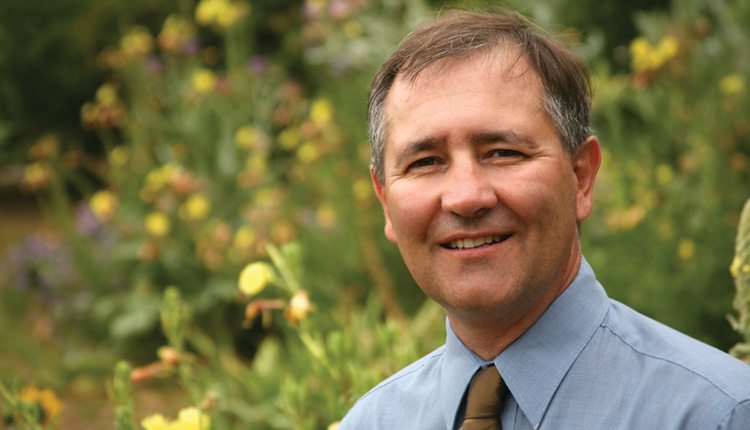
Dr. Deynze is the Director of the Seed Biotechnology Center and Associate Director of the Plant Breeding Center at University of California, Davis.

Agriculture Allen Van Deynze CRISPR Genome editing Plant Breeding Center Research and Development Seed Biotechnology Center University of California
Share. Facebook Twitter Pinterest LinkedIn WhatsApp Reddit Tumblr Email
Editor
  • Website

Related Posts

Comment l’initiative nigériane sur les données de l’élevage renforce le ReJPAH-AOS, par Abdallah el-Kurebe

July 8, 2026

How Nigeria’s livestock data initiative boosts ReJPAH-AOS, by Abdallah el-Kurebe

July 8, 2026

NCC advances transparent pricing for fibre sharing

July 8, 2026

Leave A Reply Cancel Reply

Comment l’initiative nigériane sur les données de l’élevage renforce le ReJPAH-AOS, par Abdallah el-Kurebe

July 8, 2026

How Nigeria’s livestock data initiative boosts ReJPAH-AOS, by Abdallah el-Kurebe

July 8, 2026

GKF, UniAbuja launch waste to wealth facility

July 8, 2026

NCC advances transparent pricing for fibre sharing

July 8, 2026
About Us
About Us

ASHENEWS (AsheNewsDaily.com), published by PenPlus Online Media Publishers, is an independent online newspaper. We report development news, especially on Agriculture, Science, Health and Environment as they affect the under-reported rural and urban poor.

We also conduct investigations, especially in the areas of ASHE, as well as other general interests, including corruption, human rights, illicit financial flows, and politics.

Contact Info:
  • 1st floor, Dogon Daji House, No. 5, Maiduguri Road, Sokoto
  • +234(0)7031140009
  • ashenewsdaily@gmail.com
Facebook Twitter Instagram Pinterest
© 2026 All Rights Reserved. ASHENEWS Daily Designed & Managed By DeedsTech

Type above and press Enter to search. Press Esc to cancel.