

• Home
  • Agric
  • Sci & Tech
  • Health
  • Environment
  • Hausa News
  • More
    • Business/Banking & Finance
    • POLITICS
    • Entertainments & Sports
    • International
    • Investigation
    • Law & Human Rights
    • Africa
    • ACCOUNTABILITY/CORRUPTION
    • Hassan Gimba
    • Column
    • Prof. Jibrin Ibrahim
    • Prof. M.K. Othman
    • Defense/Security
    • Education
    • Energy/Electricity
    • Entertainment/Arts & Sports
    • Society and Lifestyle
    • Food & Agriculture
    • Health & Healthy Living
    • International News
    • Interviews
    • Investigation/Fact-Check
    • LAW & HUMAN RIGHTS
    • Oil & Gas/Mineral Resources
    • PRESS FREEDOM/JOURNALISM/PR
    • General News
    • Presidency
  • About Us
    • Contact Us
    • Board Of Advisory
    • Privacy Policy
    • Ethics Policy
    • Teamwork And Collaboration Policy
    • Fact-Checking Policy
    • Advertising
  • Media OutReach Newswire
    • Wire News
  • The Stories
Facebook Twitter Instagram
Trending
  • Why small businesses hold the key to Africa’s next economic transformation, By Dr. Fakunle Aremu
  • Zamfara targets 2,000 jobs as $200m lithium processing plant is unveiled
  • AFEMSON renews call for urgent action against preterm births in Nigeria
  • Nonye urges Nigerians to embrace natural foods for healthy living
  • NHRC records 287 human rights violations in Gombe in 6 months
  • Aproko Doctor: Locust beans boost heart health, overall well-being
  • Naira outlook brightens as rising reserves, FX reforms boost investor confidence
  • Banned chemicals continue to endanger environmental health in the Middle East, North Africa
Facebook Twitter Instagram YouTube
AsheNewsAsheNews
  • Home
  • Agric

    Nonye urges Nigerians to embrace natural foods for healthy living

    July 13, 2026

    Gov Otti warns Abia farmers to register for input support

    July 11, 2026

    AFAN in Ogun dismisses impostors parading as executives

    July 11, 2026

    BOA launches 2026 wet season input distribution in Katsina

    July 11, 2026

    From scarcity to scale: What Africa can learn from India’s agricultural transformation, by Alice Ruhweza and Dr Purvi Mehta

    July 10, 2026
  • Sci & Tech

    Nigeria debates shutting South African businesses over Xenophobic attacks

    July 13, 2026

    Nigeria’s food service industry hits $11.09bn in 2025 – Moniepoint

    July 10, 2026

    Academy of medical sciences condemns maternal mortality, epidemic risks

    July 9, 2026

    NCC advances transparent pricing for fibre sharing

    July 8, 2026

    IHVN, partners launch Lassa fever research to support vaccine development in Bauchi

    July 8, 2026
  • Health

    AFEMSON renews call for urgent action against preterm births in Nigeria

    July 13, 2026

    NHRC records 287 human rights violations in Gombe in 6 months

    July 13, 2026

    Aproko Doctor: Locust beans boost heart health, overall well-being

    July 13, 2026

    Banned chemicals continue to endanger environmental health in the Middle East, North Africa

    July 13, 2026

    HIV-positive peer educator in FCT fights stigma through personal story

    July 13, 2026
  • Environment

    Zamfara targets 2,000 jobs as $200m lithium processing plant is unveiled

    July 13, 2026

    Cross River gov visits flood, landslide victims in Calabar, consoles bereaved family

    July 13, 2026

    Federal govt suspends proposed increase in WASSCE, NECO exam fees

    July 13, 2026

    Ibeju-Lekki chairman tours flooded areas, promises swift intervention

    July 13, 2026

    LASTMA captures 38,000 vehicles for traffic offences in Q2 2026

    July 12, 2026
  • Hausa News

    UNA signs MoU to launch air Bissau in Guinea-Bissau

    June 15, 2026

    Otti plans 250-room 5-star hotel in Umuahia

    April 11, 2026

    Anti-quackery task force seals 4 fake hospitals in Rivers

    August 29, 2025

    [BIDIYO] Yadda na lashe gasa ta duniya a fannin Ingilishi – Rukayya ‘yar shekara 17

    August 6, 2025

    A Saka Baki, A Sasanta Saɓani Tsakanin ‘Yanjarida Da Liman, Daga Muhammad Sajo

    May 21, 2025
  • More
    1. Business/Banking & Finance
    2. POLITICS
    3. Entertainments & Sports
    4. International
    5. Investigation
    6. Law & Human Rights
    7. Africa
    8. ACCOUNTABILITY/CORRUPTION
    9. Hassan Gimba
    10. Column
    11. Prof. Jibrin Ibrahim
    12. Prof. M.K. Othman
    13. Defense/Security
    14. Education
    15. Energy/Electricity
    16. Entertainment/Arts & Sports
    17. Society and Lifestyle
    18. Food & Agriculture
    19. Health & Healthy Living
    20. International News
    21. Interviews
    22. Investigation/Fact-Check
    23. LAW & HUMAN RIGHTS
    24. Oil & Gas/Mineral Resources
    25. PRESS FREEDOM/JOURNALISM/PR
    26. General News
    27. Presidency
    Featured
    Recent

    Why small businesses hold the key to Africa’s next economic transformation, By Dr. Fakunle Aremu

    July 13, 2026

    Zamfara targets 2,000 jobs as $200m lithium processing plant is unveiled

    July 13, 2026

    AFEMSON renews call for urgent action against preterm births in Nigeria

    July 13, 2026
  • About Us
    1. Contact Us
    2. Board Of Advisory
    3. Privacy Policy
    4. Ethics Policy
    5. Teamwork And Collaboration Policy
    6. Fact-Checking Policy
    7. Advertising
    Featured
    Recent

    Why small businesses hold the key to Africa’s next economic transformation, By Dr. Fakunle Aremu

    July 13, 2026

    Zamfara targets 2,000 jobs as $200m lithium processing plant is unveiled

    July 13, 2026

    AFEMSON renews call for urgent action against preterm births in Nigeria

    July 13, 2026
  • Media OutReach Newswire
    • Wire News
  • The Stories
AsheNewsAsheNews
Home»Environment/Climate Change»How climate change worsens food insecurity in Sokoto
Environment/Climate Change

How climate change worsens food insecurity in Sokoto

Food insecurity in Sokoto is a growing challenge, largely attributed to the effects of climate change, which is reducing farmers productivity
EditorBy EditorMay 25, 2024Updated:May 26, 2024No Comments4 Mins Read
Degraded-Lugu-Dam
Share
Facebook Twitter LinkedIn Pinterest Email

Food insecurity in Sokoto state is a rapidly growing challenge, largely attributed to the effects of climate change, which is reducing productivity among farmers and encouraging economic instability. 

Even before the onset of climate change, the arid region experienced minimal rainfall, necessitating heavy reliance on irrigation farming by local farmers.

Wurno local government in Sokoto state stands out as one of the top food-producing areas in the state, cultivating a variety of agricultural produce primarily through the utilisation of the Lugu Dam, in Wurno Community. 

However, in recent years, this agricultural settlement has been grappling with challenges stemming from the drying up of the dam with its source from Bakalori dam, once a crucial resource that nurtured farming practices. 


Environmental degradation, closely linked to the effects of climate change, has led to the depletion of water levels in the dam, significantly affecting agricultural activities.
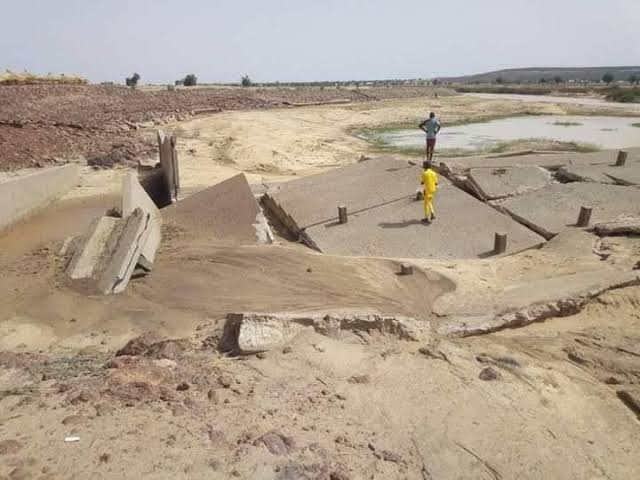
Degraded Lugu Dam

According to Nasiru Namadina, a commercial farmer, Wurno serves as a vital food distribution network for over 10 local governments, extending its supply chain to neighbouring Niger Republic.

Namadina lamented the decline in agricultural productivity, stating, “When there was water in the dam, we used to cultivate various crops and supply them to neighboring local governments and cross border.

“But now, we see our children playing football in the dry dam pit instead of cultivating crops.”

This decline not only contributes to food insecurity but also exposes youths to idleness, which can lead to increased criminal activities in the community.
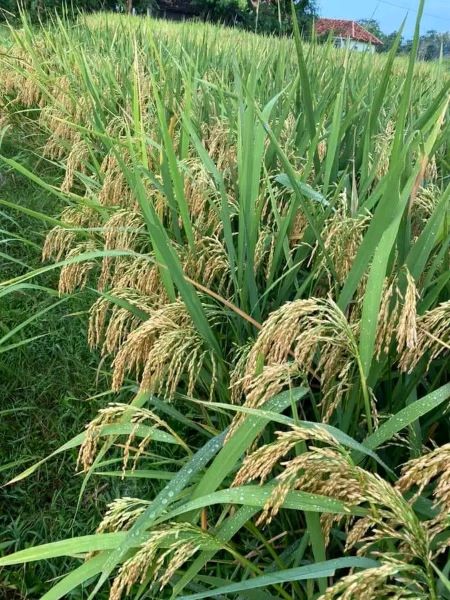
Rice farm before the depletion of Lugu Dam

Another local farmer in the Gada local government area of Sokoto state, Emmanuel Gona, laments the increasing impact of climate change in the area.

Gona said that the area has experienced a noticeable shift in temperature patterns, leading to reduced rainfall and increased insect infestations.

All these, he said adversely affect crop yields.

“I was on phone with a friend, a farmer in Kafanchan, Kaduna state, asking him about the development of the planted crops. He bitterly complained of less rainfall affecting the crop seeds,” Gona stated.

In the previous year, Nigeria witnessed a decrease in agricultural output, attributed to both insecurity and the effect of climate change.

These challenges have resulted in increased living costs for its citizens.

Looking ahead, there are also concerns that this year’s agricultural yields may further decline, potentially worsening the economic situation for the average Nigerians.

“Due to this inadequate rainfall that almost surpasses last year’s and lack of irrigation farming tools, anything can happen. We are just praying,” Gona projected.

Mr Namadina suggested a solution to combat climate change’s impact on local farming.

The farmer, who emphasised that proper water management must be encouraged, also advocated for the construction of boreholes. 

“With the Wurno Dam no longer operational, boreholes could offer a reliable water source for irrigation, sustaining crops despite erratic rainfall,” he said.
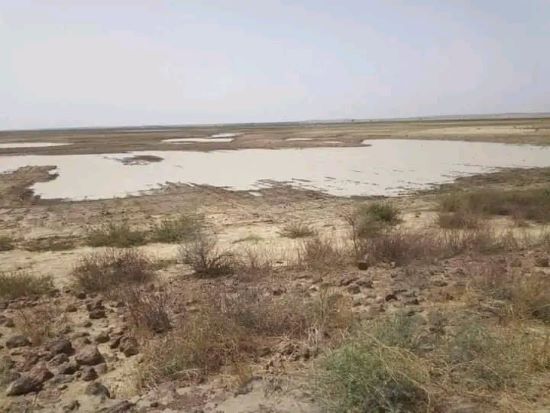
Effect of climate change in Lugu Dam

Moreover, Mr. Namadina called for the provision of irrigation farming tools to revive agricultural productivity.

These tools which include sprinklers, drip systems, and pumps, would according to the farmer, aid efficient water use.

He added that with modern irrigation techniques, farmers can minimise wastage and maximise yields, assuring food security in Sokoto.

Recently, the executive governor of Sokoto state, Dr. Ahmed Aliyu, revealed that Sokoto state government allocated N1 billion as counterpart funds for the Agro-Climatic Resilience in Semi-Arid Landscapes (ACReSAL) Project to address desert encroachment. 

The ACReSAL project aims to tackle environmental degradation, enhance water access, improve food security, and generate employment for the youth in the state.

In response to these challenges, Abubakar Magaji, the acting state coordinator of the Agricultural Development Project (ADP) Sokoto, urged farmers to adopt new farming methods and utilize improved seeds that are resistant to pests, heat, and drought while maintaining high productivity. 

Such measures are crucial for enhancing resilience to the effects of erratic rainfall and climate change, ensuring food security in Sokoto State.

climate change Farmers Food insecurity Sokoto state
Share. Facebook Twitter Pinterest LinkedIn WhatsApp Reddit Tumblr Email
Editor
  • Website

Related Posts

Zamfara targets 2,000 jobs as $200m lithium processing plant is unveiled

July 13, 2026

Nonye urges Nigerians to embrace natural foods for healthy living

July 13, 2026

Cross River gov visits flood, landslide victims in Calabar, consoles bereaved family

July 13, 2026

Leave A Reply Cancel Reply

Why small businesses hold the key to Africa’s next economic transformation, By Dr. Fakunle Aremu

July 13, 2026

Zamfara targets 2,000 jobs as $200m lithium processing plant is unveiled

July 13, 2026

AFEMSON renews call for urgent action against preterm births in Nigeria

July 13, 2026

Nonye urges Nigerians to embrace natural foods for healthy living

July 13, 2026
About Us
About Us

ASHENEWS (AsheNewsDaily.com), published by PenPlus Online Media Publishers, is an independent online newspaper. We report development news, especially on Agriculture, Science, Health and Environment as they affect the under-reported rural and urban poor.

We also conduct investigations, especially in the areas of ASHE, as well as other general interests, including corruption, human rights, illicit financial flows, and politics.

Contact Info:
  • 1st floor, Dogon Daji House, No. 5, Maiduguri Road, Sokoto
  • +234(0)7031140009
  • ashenewsdaily@gmail.com
Facebook Twitter Instagram Pinterest
© 2026 All Rights Reserved. ASHENEWS Daily Designed & Managed By DeedsTech

Type above and press Enter to search. Press Esc to cancel.