


As the Lagos State Government prepares to implement its ban on Single-Use Plastics (SUPs) starting July 1, environmental experts are calling for a more robust, inclusive, and transparent approach to ensure its success.
They warned that if critical gaps in the policy are not addressed, the ban may fall short of its environmental goals.
In separate interviews on Monday in Lagos, several environmental advocates weighed in on the policy’s strengths and shortcomings.
Dr. Leslie Adogame, Executive Director of Sustainable Research and Action for Environmental Development, stressed that the state must demonstrate full and sustained commitment—not mere lip service—to ridding Lagos of SUPs.
“If Lagos truly wants to retain its status as the Centre of Excellence and show real commitment to waste management, then SUPs must be taken completely off the streets,” he said.
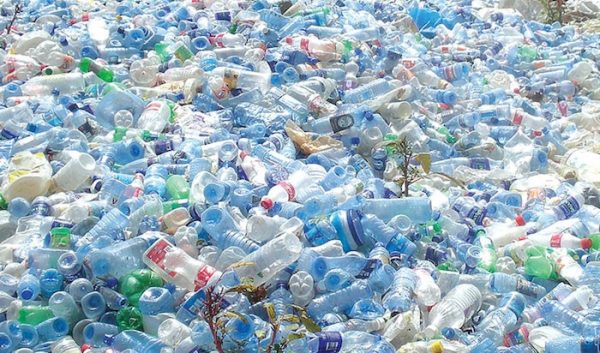
He criticised the government’s decision to exempt PET bottles and sachet water, which are among the most common pollutants.
“Exempting PET bottles and sachet water is unacceptable. The government must set clear timelines for a complete ban on these items. Anything less undermines the intent of the policy,” Adogame added.
He also pointed out that without a strong Extended Producer Responsibility (EPR) framework, expanding the list of banned items would have minimal impact. According to him, cleaning up existing legacy plastic pollution could take up to five years.
Similarly, Mr. Philip Jakpor, Executive Director of the Renevlyn Development Initiative, echoed concerns about the exemption of PET bottles and sachets.
“Leaving out PET bottles and sachet water from the ban shows a disconnect from the pollution reality on the ground. These are among the most visible pollutants in Lagos,” he said.
Jakpor, however, commended Lagos for being the first state in Nigeria to make such a bold move, noting that it could inspire eco-friendly innovation and investment in alternatives like paper bags.
He also warned of broader environmental consequences, citing studies showing how plastics enter the food chain through aquatic life, threatening food security and public health.
Mr. Michael Simire, Executive Director of EnviroNews Advocacy & Campaigns for Sustainability, noted that Lagos generates between 13,000 and 15,000 metric tonnes of waste daily—much of it from SUPs.
“SUPs clog waterways, release harmful microplastics into the environment, and pose health risks. The ban is timely and necessary, but success hinges on effective implementation that considers socio-economic realities,” Simire said.
He urged the government to partner with local businesses, communities, and environmental groups to ensure smooth rollout and reduce the economic impact on small-scale vendors and waste workers.
Meanwhile, Mrs. Funmilayo Balogun, a nylon producer in Lagos, expressed concern over the economic impact of the ban, particularly on small businesses and informal waste pickers.
“The ban, without any support measures, could increase unemployment. Many small businesses and waste collectors depend on SUPs for income,” she said.
She called on the government to empower waste pickers with tools and technologies to better manage plastic waste and transition sustainably.
As Lagos readies for the enforcement of its SUP ban, environmentalists are urging the government to go beyond symbolism and implement a practical, inclusive, and sustainable solution that benefits both people and the planet.
