

• Home
  • Agric
  • Sci & Tech
  • Health
  • Environment
  • Hausa News
  • More
    • Business/Banking & Finance
    • Politics/Elections
    • Entertainments & Sports
    • International
    • Investigation
    • Law & Human Rights
    • Africa
    • ACCOUNTABILITY/CORRUPTION
    • Hassan Gimba
    • Column
    • Prof. Jibrin Ibrahim
    • Prof. M.K. Othman
    • Defense/Security
    • Education
    • Energy/Electricity
    • Entertainment/Arts & Sports
    • Society and Lifestyle
    • Food & Agriculture
    • Health & Healthy Living
    • International News
    • Interviews
    • Investigation/Fact-Check
    • Judiciary/Legislature/Law & Human Rights
    • Oil & Gas/Mineral Resources
    • Press Freedom/Media/PR/Journalism
    • General News
    • Presidency
  • About Us
    • Contact Us
    • Board Of Advisory
    • Privacy Policy
    • Ethics Policy
    • Teamwork And Collaboration Policy
    • Fact-Checking Policy
    • Advertising
  • Media OutReach Newswire
    • Wire News
  • The Stories
Facebook Twitter Instagram
Trending
  • MSF: Over 5,000 flee Borno attacks
  • PalmPay CEO flags trust issues in digital payments
  • Renaissance unveils projects in Rivers communities
  • Insecurity forces Kwara monarchs to flee
  • Doctor debunks cancer myths, urges early detection
  • Meta to cut 10% of workforce amid AI push
  • China’s AI boom accelerates with DeepSeek’s new model
  • NYSC urges Abia to upgrade Umunna orientation camp
Facebook Twitter Instagram YouTube
AsheNewsAsheNews
  • Home
  • Agric

    Global hunger to stay critical in 2026

    April 24, 2026

    Building resilience locally–small-scale producers and fertilizer [FULL PAPER]

    April 24, 2026

    AFAN Enugu gets new leadership

    April 23, 2026

    Experts call for boost in local snail production

    April 23, 2026

    [EXPLAINER] Bottled water under the microscope: Why some brands stand out

    April 23, 2026
  • Sci & Tech

    PalmPay CEO flags trust issues in digital payments

    April 25, 2026

    Meta to cut 10% of workforce amid AI push

    April 25, 2026

    China’s AI boom accelerates with DeepSeek’s new model

    April 25, 2026

    Weak cybersecurity threatens Nigeria’s digital payments

    April 24, 2026

    Global fish growth declines over the last century

    April 24, 2026
  • Health

    Doctor debunks cancer myths, urges early detection

    April 25, 2026

    NYSC urges Abia to upgrade Umunna orientation camp

    April 25, 2026

    Chevron boosts malaria fight across Africa

    April 24, 2026

    Condom prices set to rise 30%

    April 24, 2026

    HPV, malaria vaccines save lives across Africa

    April 24, 2026
  • Environment

    Lagos cracks down on E-waste

    April 23, 2026

    Nigeria achieves 91% aviation safety rating

    April 23, 2026

    FG seeks $516m external financing for Sokoto–Badagry superhighway

    April 23, 2026

    NGE warns NBC over sanction threat

    April 22, 2026

    Don urges geographers to tackle forest crisis

    April 21, 2026
  • Hausa News

    Otti plans 250-room 5-star hotel in Umuahia

    April 11, 2026

    Anti-quackery task force seals 4 fake hospitals in Rivers

    August 29, 2025

    [BIDIYO] Yadda na lashe gasa ta duniya a fannin Ingilishi – Rukayya ‘yar shekara 17

    August 6, 2025

    A Saka Baki, A Sasanta Saɓani Tsakanin ‘Yanjarida Da Liman, Daga Muhammad Sajo

    May 21, 2025

    Dan majalisa ya raba kayan miliyoyi a Funtuwa da Dandume

    March 18, 2025
  • More
    1. Business/Banking & Finance
    2. Politics/Elections
    3. Entertainments & Sports
    4. International
    5. Investigation
    6. Law & Human Rights
    7. Africa
    8. ACCOUNTABILITY/CORRUPTION
    9. Hassan Gimba
    10. Column
    11. Prof. Jibrin Ibrahim
    12. Prof. M.K. Othman
    13. Defense/Security
    14. Education
    15. Energy/Electricity
    16. Entertainment/Arts & Sports
    17. Society and Lifestyle
    18. Food & Agriculture
    19. Health & Healthy Living
    20. International News
    21. Interviews
    22. Investigation/Fact-Check
    23. Judiciary/Legislature/Law & Human Rights
    24. Oil & Gas/Mineral Resources
    25. Press Freedom/Media/PR/Journalism
    26. General News
    27. Presidency
    Featured
    Recent

    MSF: Over 5,000 flee Borno attacks

    April 25, 2026

    PalmPay CEO flags trust issues in digital payments

    April 25, 2026

    Renaissance unveils projects in Rivers communities

    April 25, 2026
  • About Us
    1. Contact Us
    2. Board Of Advisory
    3. Privacy Policy
    4. Ethics Policy
    5. Teamwork And Collaboration Policy
    6. Fact-Checking Policy
    7. Advertising
    Featured
    Recent

    MSF: Over 5,000 flee Borno attacks

    April 25, 2026

    PalmPay CEO flags trust issues in digital payments

    April 25, 2026

    Renaissance unveils projects in Rivers communities

    April 25, 2026
  • Media OutReach Newswire
    • Wire News
  • The Stories
AsheNewsAsheNews
Home»Environment/Climate Change»UN warns of rising heat stress risks for workers worldwide
Environment/Climate Change

UN warns of rising heat stress risks for workers worldwide

Abdallah el-KurebeBy Abdallah el-KurebeAugust 23, 2025Updated:August 23, 2025No Comments3 Mins Read
Global heat
Share
Facebook Twitter LinkedIn Pinterest Email

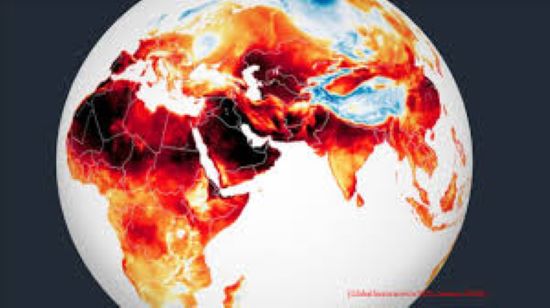
The United Nations has raised fresh alarm over the growing threat of extreme heat to workers’ health and livelihoods, warning that climate change is fuelling dangerous conditions across industries.

In a joint report released on Friday, the World Health Organization (WHO) and the World Meteorological Organization (WMO) said heat stress is fast emerging as one of the biggest occupational health risks globally.

The report, Climate Change and Workplace Heat Stress, highlights how longer, more frequent, and more intense heatwaves are reshaping the world of work. It notes that workers in agriculture, construction, and fisheries are already bearing the brunt of soaring temperatures, with vulnerable groups in developing countries—such as children, older adults, and low-income communities—facing the greatest risks.

“Heat stress is already harming the health and livelihoods of billions of workers, especially in the most vulnerable communities,” said Dr. Jeremy Farrar, WHO Assistant Director-General. “This new guidance offers practical, evidence-based solutions to protect lives, reduce inequality, and build more resilient workforces in a warming world.”

According to the WMO, 2024 was the hottest year on record, with global temperatures averaging 1.55°C above pre-industrial levels. Daytime highs of over 40°C are now commonplace, and in some regions, temperatures have even surpassed 50°C.

“Occupational heat stress has become a global societal challenge, which is no longer confined to countries close to the equator – as highlighted by the recent heatwave in Europe,” said Ko Barrett, WMO Deputy Secretary-General. “Protection of workers from extreme heat is not just a health imperative but an economic necessity.”

The report warns that worker productivity falls by 2–3% for every degree above 20°C, with health consequences ranging from heatstroke and dehydration to kidney damage and neurological disorders. Nearly half of the world’s population is now affected by excessive heat exposure.

The WHO and WMO guidance calls for urgent action, including:

  • Developing occupational heat-health policies tailored to local weather and workforce conditions.
  • Protecting middle-aged and older workers, as well as those with chronic health conditions.
  • Training employers, health professionals, and workers to recognise and treat heat stress.
  • Engaging workers, unions, and local authorities in shaping heat-health strategies.
  • Promoting affordable and sustainable solutions, backed by innovation and new technologies.
  • Expanding research and monitoring to track effectiveness of measures.

The report builds on International Labour Organization (ILO) findings that more than 2.4 billion workers worldwide are exposed to excessive heat, leading to over 22.8 million occupational injuries every year.

“This report represents a critical milestone in our collective response to the growing threat of extreme heat in the world of work,” said Joaquim Pintado Nunes, ILO Chief of Occupational Safety and Health. “It offers robust, evidence-based guidance to help governments, employers and workers confront the escalating risks of climate change.”

Both agencies emphasised that protecting workers from heat stress is central to achieving the UN Sustainable Development Goals (SDGs), particularly in reducing poverty and promoting sustainable economic growth.

“Urgent and coordinated action is no longer optional—it is essential,” the report concludes.

climate change Extreme heat United Nations WHO WMO Workers worldwide
Share. Facebook Twitter Pinterest LinkedIn WhatsApp Reddit Tumblr Email
Abdallah el-Kurebe
  • Website
  • Facebook
  • Twitter
  • LinkedIn

Related Posts

WHO certifies Algeria free of trachoma

April 23, 2026

Lagos cracks down on E-waste

April 23, 2026

Nigeria achieves 91% aviation safety rating

April 23, 2026

Leave A Reply Cancel Reply

MSF: Over 5,000 flee Borno attacks

April 25, 2026

PalmPay CEO flags trust issues in digital payments

April 25, 2026

Renaissance unveils projects in Rivers communities

April 25, 2026

Insecurity forces Kwara monarchs to flee

April 25, 2026
About Us
About Us

ASHENEWS (AsheNewsDaily.com), published by PenPlus Online Media Publishers, is an independent online newspaper. We report development news, especially on Agriculture, Science, Health and Environment as they affect the under-reported rural and urban poor.

We also conduct investigations, especially in the areas of ASHE, as well as other general interests, including corruption, human rights, illicit financial flows, and politics.

Contact Info:
  • 1st floor, Dogon Daji House, No. 5, Maiduguri Road, Sokoto
  • +234(0)7031140009
  • ashenewsdaily@gmail.com
Facebook Twitter Instagram Pinterest
© 2026 All Rights Reserved. ASHENEWS Daily Designed & Managed By DeedsTech

Type above and press Enter to search. Press Esc to cancel.