


Construction is progressing on a multi-storey Emergency Trauma Department at the Aminu Kano Teaching Hospital (AKTH), Kano, Nigeria, in a development expected to strengthen the hospital’s capacity to provide specialised emergency and life-saving services.
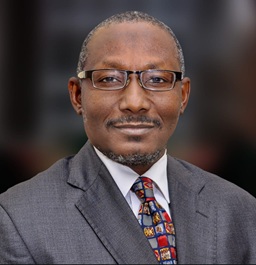
The Chief Medical Director (CMD) of the hospital, Professor Abdurrahman Abba Sheshe, said the multi-billion-naira facility would be fully equipped upon completion to provide critical life support and emergency care for trauma patients.
A teaching hospital of AKTH’s standing deserves advanced and reliable medical equipment capable of managing critical injuries, multiple trauma cases and acute medical emergencies.
Modern emergency and trauma centres require a wide range of specialised equipment. These include high-resolution portable ultrasound machines for Extended Focused Assessment with Sonography for Trauma (eFAST), which helps clinicians rapidly detect internal bleeding and other life-threatening injuries.
For resuscitation and airway management, advanced intensive care unit (ICU)-grade mechanical ventilators are essential to support patients with acute respiratory failure or severe traumatic brain injuries (TBI).
Video laryngoscopes are also necessary for rapid, visually guided endotracheal intubation, particularly when patients have difficult airways.
Other essential equipment includes multifunctional defibrillators and crash carts fitted with external pacing, synchronised cardioversion and electrocardiogram (ECG) monitoring capabilities.
High-capacity portable and wall-mounted suction units are equally important for clearing patients’ airways of blood, vomit and other secretions during emergency treatment.
Advanced multiparameter patient monitors should also be available for continuous monitoring of ECG, blood pressure, pulse oxygen saturation, capnography (end-tidal carbon dioxide) and core body temperature.
A mobile digital X-ray machine would enable immediate bedside chest and pelvic imaging without moving critically ill or unstable patients. Point-of-care blood gas and chemistry analysers are equally necessary to provide rapid results for arterial blood gases, electrolytes, lactate and haemoglobin.
The centre should also have 12-lead ECG machines to facilitate the rapid detection or exclusion of acute myocardial infarction in patients presenting with suspected cardiac emergencies.
As a standard requirement, teaching hospitals must have the capacity to manage patients across all age groups simultaneously. The trauma centre should therefore include paediatric-specific equipment such as Broselow tapes and carts, specialised lines and tubes, and infant radiant warmers to cater to injured children.
Injuries to the eyes, ears, nose and throat also require specialised attention. Ophthalmic and ear, nose and throat (ENT) diagnostic equipment, including slit lamps, ophthalmoscopes, otoscopes and Morgan lenses for eye irrigation, should therefore form part of the centre’s inventory.
The equipment requirements for a modern trauma centre run into hundreds. They also include decontamination facilities for patients exposed to chemical, biological or radiological hazards, emergency eyewash stations and chemical-resistant drapes.
Beyond medical equipment, the centre will require adequate beds, its own pharmacy, emergency operating theatres and a fleet of ambulances manned by skilled paramedics. Reliable electricity and a constant supply of potable water will also be essential to its operations.
The CMD noted that one of the distinguishing features of the new complex would be a rooftop helipad designed to facilitate rapid access by air ambulances.
This will give AKTH a Helicopter Emergency Medical Services (HEMS) capability, allowing patients requiring urgent, life-saving trauma care to be airlifted to the hospital for prompt treatment.
The development is particularly significant in a country grappling with serious road traffic accidents, insurgency-related attacks and communal conflicts, all of which can generate cases requiring immediate specialist trauma intervention.
With the provision of the helipad, AKTH will join a group of fewer than 10 public and private tertiary hospitals in Nigeria with dedicated aerial patient transport facilities. This represents a significant addition to the country’s emergency healthcare infrastructure.
AKTH already operates a fleet of ambulances equipped with life-support facilities comparable to those of standard mobile intensive care units. The helipad under construction will add an air ambulance dimension to the hospital’s emergency response capacity.
The initiative also aligns with the commitment of national healthcare planners, led by the Coordinating Minister of Health and Social Welfare, Professor Muhammad Ali Pate, to expand access to quality and world-class emergency medical services across Nigeria.
If properly equipped, staffed and maintained, the new trauma centre and helipad could significantly strengthen AKTH’s capacity to respond to medical emergencies and save lives.
Salisu Na’inna Dambatta is a retired Federal Director of Information.
