


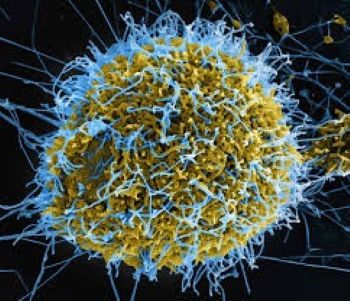
The ongoing Ebola outbreak in the Democratic Republic of Congo (DRC) has claimed 2,325 lives, making it the deadliest outbreak of the disease in the country’s history.
The latest figures released by the Congolese public health authorities on Sunday showed that confirmed infections had risen to 4,945, including 101 new cases recorded within 24 hours.
The current outbreak has surpassed the previous record set during the 2018–2020 Ebola epidemic, which claimed 2,299 lives in the country.
The outbreak was officially declared on May 15, 2026, after cases were initially detected in Ituri Province in northeastern DRC. It has since spread to several provinces, with Ituri remaining the epicentre of the epidemic.
Health authorities have described the epidemic as the fastest-growing Ebola outbreak on record. Experts say delayed diagnosis, limited healthcare infrastructure, insecurity and difficulties in tracing contacts have complicated efforts to contain transmission.
The outbreak is being driven by the Bundibugyo strain of the Ebola virus, for which there are currently no approved vaccines or treatments. Clinical trials involving potential vaccines and treatments are, however, underway.
The case-fatality rate has also risen sharply, with health experts attributing the increase largely to delays in detecting infections and getting patients into treatment rather than to a more lethal form of the virus.
The World Health Organisation and other international partners have intensified efforts to support the Congolese response, but ongoing conflict, population movements and limited health resources continue to pose major challenges.
The United Nations has warned that urgent action is needed to prevent further escalation of the outbreak, with officials calling for a faster and larger coordinated response.
Ebola is primarily transmitted through direct contact with the blood or bodily fluids of an infected person or contaminated materials. The scale and speed of the current outbreak have raised concerns that it could become one of the most severe Ebola epidemics ever recorded globally.
