


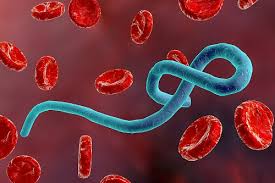
The UN is rushing emergency personnel, funding, and supplies into eastern Democratic Republic of the Congo (DRC) to combat a rapidly growing Ebola outbreak in conflict-ravaged provinces.
The World Health Organisation (WHO) on Friday raised the national risk assessment for DRC to “very high”, while the global risk remains “low”.
So far, 82 cases and seven deaths have been confirmed in DRC, but WHO says the true scale of the outbreak is likely much larger. The global health body has reported nearly 750 suspected cases and 177 suspected deaths.
On Friday, UN Emergency Relief Coordinator Tom Fletcher announced the allocation of $60 million from the Central Emergency Response Fund to support the response in DRC and neighbouring countries.
“These are tough operating environments for lifesaving work,” Fletcher said. “We face conflict and high population movement.”
He stressed the need to secure access for frontline responders, including in areas controlled by armed groups.
“It is essential that there is no obstruction,” he added.
WHO said the outbreak is unfolding amid intensified fighting, mass displacement, and deep mistrust of authorities, fuelled by rumours and misinformation.
In one incident, angry relatives reportedly set a hospital in Ituri province on fire after authorities refused to release the body of a deceased family member over contamination fears.
Two cases linked to travel from DRC have been confirmed in Uganda, including one death. Two American nationals — a doctor and a high-risk contact — have also been transferred to Europe for treatment and monitoring.
WHO confirmed the outbreak is caused by the Bundibugyo strain of Ebola, for which there are currently no approved vaccines or therapeutics. Only two previous outbreaks of this strain have been recorded — one in Uganda in 2007 and another in DRC in 2012.
