


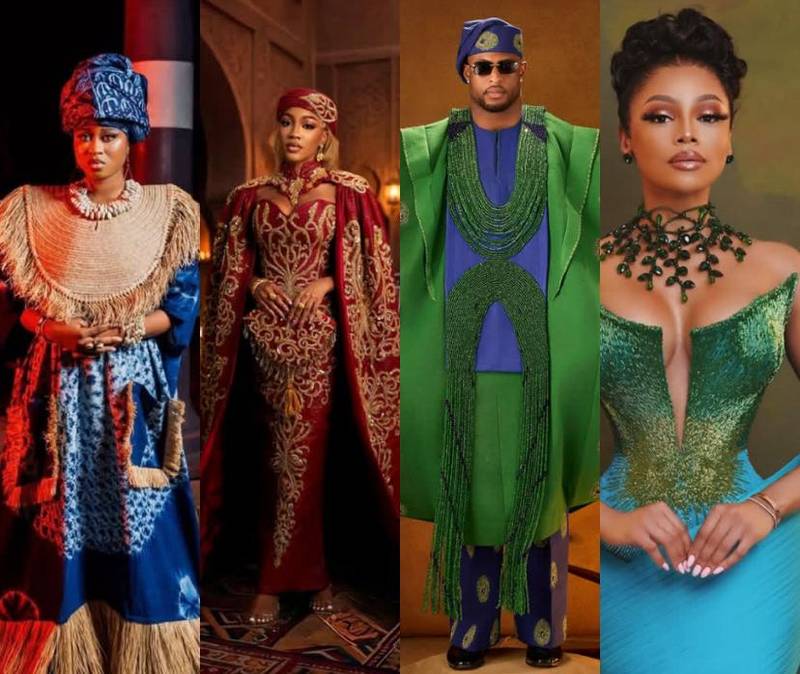
Nigerian celebrities and designers have continued to export “Afrofashion” to the world, transforming African style from a localised aesthetic into a dominant global force.
Through bold fusions of traditional heritage and modern luxury, they have elevated indigenous textiles such as Adire, Aso-Oke, and Akwete at international events, turning cultural heritage into luxury statements.
In the past, Nigerian artistes and celebrities largely copied Western styles due to the dominance of American and British trends in the global entertainment industry.
Today, the narrative has shifted. Nigerian creatives are now confidently embracing their roots and setting global standards rather than merely following them.
Nigerian artistes and style icons are using red carpets and international tours as cultural runways, challenging Western dress codes and dismantling stereotypes about African fashion.
Artistes like Davido and Wizkid frequently commission bespoke traditional attire for international music videos and award shows. Burna Boy is acclaimed for integrating African design aesthetics into his global tours and performances, often collaborating with Nigerian designers like Tokyo James.
Speaking with reporters in Abuja on Sunday, designers, enthusiasts, and other stakeholders in the fashion industry expressed excitement over the growing global popularity of Afro-centric designs.
They noted that Nigerian celebrities have shifted from consuming Western trends to exporting Nigerian heritage onto international red carpets, music festivals, and global fashion weeks.
Mr. Smith Ade, a fashion designer in Garki, said A-list Nigerian celebrities now act as cultural ambassadors by deliberately choosing local designers over international luxury brands.
“I think our celebrities, particularly music artists, should be commended for choosing to identify with everything African in their dressing. Our Afrobeats stars have fans worldwide, so whatever they wear becomes a trend,” he said.
Ngozi Mbah, a designer in Wuse Zone 6, noted that local fabrics such as Aso-Oke and Adire have gained global recognition due to the ingenuity of modern designers who cleverly combine them with Western fabrics.
“Most of our local designers in the past believed everything Western was best, but today they have changed the narrative by boldly using local materials,” she said.
Agnes Sunday, a fabric vendor in Karu, said modern Nigerian designers are asserting their creative independence by looking inward to create unique styles.
Amanda Ekwuru, a make-up artist and runway model, added: “Local fabrics have become more popular because many celebrities have started using them. Remember, Meghan Markle, wife of Prince Harry, wore a dress featuring Aso-Oke fabric during her visit to Nigeria in 2024.”
Mariam Abubakar, an Aso-Oke dealer, highlighted the role of social media, saying: “When people see celebrities and influencers rocking these fabrics, they get inspired. Platforms like Instagram and TikTok have made it easier to showcase Aso-Oke in fresh, trendy ways.”
Ashenews reports that behind this growing trend are talented indigenous designers who are using local materials to tell Africa’s story to the world. Designers such as Veekee James, Mai Atafo, Toyin Lawani, Prudent Gabriel, Ugo Monye, Banke Kuku, Lisa Folawiyo, Andrea Iyamah, Amaka Osakwe, Zizi Cardow, and Tokyo James are at the forefront of this Afrofashion renaissance.
These designers are not just creating outfits — they are crafting cultural narratives that resonate on red carpets across Africa and beyond.
Domestic platforms like Lagos Fashion Week and Arise Fashion Week have also evolved into major international hubs, attracting global investment and reshaping how African style is perceived worldwide.
