


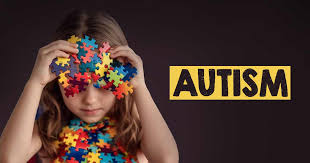
A Consultant Paediatric Neurologist, Joy Alejo, says autism is not a curse but a neurodevelopmental condition that is manageable with the right support.
Alejo, of the University College Hospital (UCH), Ibadan, made this known in an interview with reporters in Ibadan to commemorate World Autism Awareness Day on Thursday.
World Autism Awareness Day is observed annually on April 2. The 2026 theme is “Autism and Humanity – Every Life Has Value.”
The consultant paediatric neurologist emphasized that autism is not a curse but a condition requiring medical attention and support, noting that no two children with autism present in the same way.
According to her, early signs include lack of eye contact, delayed speech, and repetitive behaviors.
“If any of these signs are noticed, parents should not wait; they should bring their child to a paediatrician immediately for proper developmental assessment,” she advised.
Alejo said the risk factors are multifactorial and include genetics, advanced parental age, prenatal infections, and premature birth.
“Vaccines do not cause autism—this claim has been thoroughly and repeatedly debunked by the global scientific and medical community,” she stressed.
She urged parents of children with autism to understand that they are not alone and that their child is not broken.
“Your child simply experiences the world differently, and with the right support, he or she can thrive.
“Accepting and affirming your child, learning their triggers, establishing routines, communicating clearly, advocating at school, and practicing self-care are very important.
“Inclusion is not charity; it is justice. When we include children with autism in our schools, communities, and places of worship, we are not doing them a favor—we are doing what is right,” she said.
Alejo recommended therapies such as Applied Behavior Analysis (ABA), speech and language therapy, occupational therapy, and social skills training, noting that early intervention leads to better outcomes.
On this year’s theme, she said: “Every child with autism—whether they speak in full sentences or not at all, whether they graduate from university or require lifelong care—is fully human and worthy of dignity, love, and belonging.”
She added that a society is measured not by how it treats its most celebrated members but by how it treats its most vulnerable.
Also speaking, a social worker, Rosemary Odigbo, said families can access autism support services through multiple channels.
Odigbo encouraged parents and caregivers to seek assessment when they notice developmental differences such as delayed speech, limited eye contact, or repetitive behaviors.
According to her, support services are available through health facilities, government and non-governmental organizations, and disability-focused NGOs offering therapy and counseling.
“Social workers play a vital role by linking families to services, advocating for inclusion, and helping them navigate available resources,” she said.
She noted that individuals with autism and their families face challenges such as stigma, limited services, and financial strain.
These challenges, she said, can be addressed through public awareness, early intervention, inclusive policies, family empowerment, and multi-sector collaboration.
Odigbo urged society to promote inclusion by creating environments that accept and accommodate differences rather than trying to “fix” individuals with autism.
She added that communities should speak openly about autism, reject stigma, and support families, while schools should adopt inclusive practices and train teachers.
According to her, institutions can also provide accommodations and promote disability-friendly policies.
“True inclusion means belonging, dignity, and participation—not pity.
“We must move beyond awareness to acceptance, inclusion, and action. Autism is not a limitation to humanity; it is a different way of experiencing the world.
“Different is not less. Together, we can build a society where children and adults with autism are seen, supported, and celebrated,” Odigbo said.
