


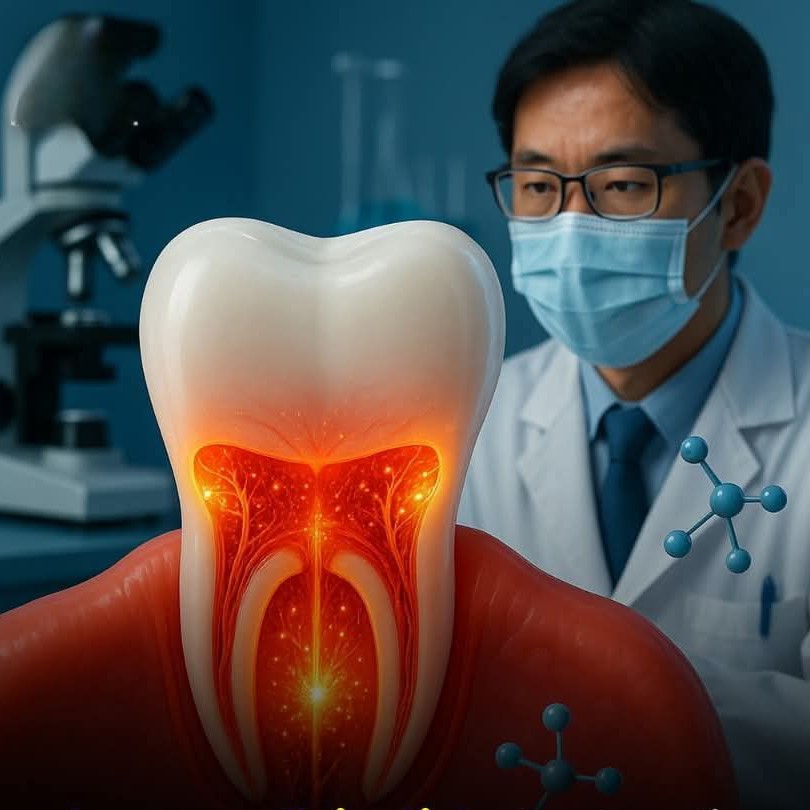
Some dental public health specialists have debunked the common myth that teething causes diarrhoea in infants.
They made this known in separate interviews with reporters in Ibadan to commemorate World Oral Health Day (WOHD) on Friday.
WOHD is marked every March 20, with this year’s theme: “A Happy Mouth is a Happy Life.”
The experts noted that stooling in teething babies is more likely due to crawling on dirty surfaces and putting objects in their mouths.
According to them, such habits can lead to stomach upsets, not teething, as many people believe.
They also warned against using engine oil or battery fluid to treat dental issues, saying these could cause chemical burns and poisoning.
Prof. Folake Lawal, a dental public health specialist at the University College Hospital (UCH), Ibadan, said teething might cause slight discomfort, restlessness and mouth rubbing.
Lawal, however, noted that significant fever or severe symptoms require medical attention.
She urged parents to seek proper medical care for infants’ dental issues.
Lawal expressed concern that many Nigerians lack adequate access to oral healthcare and professionals.
She said the ratio of dental practitioners to the population is far below World Health Organisation (WHO) recommendations.
“Nigerians face periodontal diseases, that is, infections of the structures surrounding and supporting the teeth, such as the gums and bone.
“In addition, dental caries (holes in the teeth) are another common oral problem among Nigerians, caused by the intake of sugary foods and beverages such as biscuits, soda, cakes and chocolates.
“These should be minimised as they can lead not only to tooth decay but also to systemic issues like obesity and diabetes,” she said.
According to her, proper toothbrushing habits with fluoridated toothpaste and a medium-textured toothbrush, twice daily, help maintain good oral health.
She added that people should also visit the dentist every six months for routine check-ups.
Lawal noted that poor oral health increases the risk of infections, which can affect one’s quality of life.
She said tobacco use and substance abuse could lead to cancers of the mouth, throat and lungs.
“Poor oral hygiene during pregnancy can also predispose babies to low birth weight,” she said.
Dr Aderonke Dedeke, also a dental public health specialist at UCH, Ibadan, urged individuals and parents to prioritise oral health.
Dedeke stressed that using hard-bristled toothbrushes could damage the gums and should be discouraged.
She warned against using blades to scrape calculus (dirt) from teeth surfaces.
“Avoid waiting until there is pain before visiting the dentist. Eating healthy fruits and vegetables as part of a balanced diet is essential,” she said.
Dedeke noted that most dental clinics are located in urban areas and are insufficient to serve the population.
She recommended integrating oral health into the existing primary healthcare system.
“If there is a dental facility in every primary healthcare centre, it will bring much-needed services closer to the community.
“Moreover, the implementation of the National Oral Health Policy is long overdue.
“There is a need to strengthen the Primary Oral Health Care system. Outreaches also play an important role in bringing services and education to underserved communities.
“They require significant human and financial resources,” she said.
Similarly, Prof. Olushola Ibiyemi, Professor of Community Dentistry at the University of Ibadan, highlighted Nigeria’s poor oral health status, citing rising cases of dental caries, tooth wear, gingivitis, periodontitis and oral cancer.
Ibiyemi expressed concern that the burden of oral diseases is increasing due to sugary diets, poor oral habits and limited access to care.
He stressed that a diseased tooth can be treated and that extraction is not the only option.
He advised Nigerians to brush twice daily with fluoride toothpaste, rinse after sugary snacks and visit the dentist regularly.
He also recommended the proper use of chewing sticks and emphasised community outreach for screening, diagnosis and early treatment.
“Oral health affects overall health. Toothache can disrupt eating, sleeping and social interaction, while plaque can spread and cause further health complications.
“Individuals and groups should collaborate with oral healthcare providers to organise outreach programmes in their communities.
“This will go a long way in promoting oral health,” he said.
Ibiyemi added that improving oral health in Nigeria requires coordinated efforts across primary, secondary and tertiary healthcare levels.
“These efforts should include health education, prevention and treatment of common oral diseases, as well as policies and environments that promote good oral health,” he said.
