


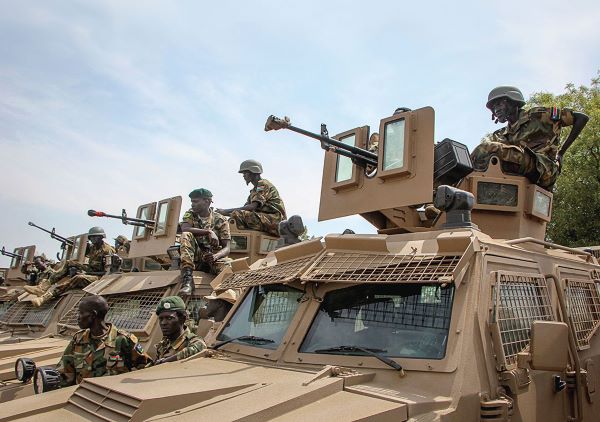
Nigeria awoke once again to the grim reality of a war that refuses to end. Reports that more than 40 Nigerian soldiers were killed by terrorists in Borno State have sent shockwaves across the country. Whether the final number is slightly higher or lower, the tragedy remains the same: dozens of brave men in uniform paid the ultimate price while defending their nation.
Each fallen soldier represents far more than a statistic. Behind every casualty is a grieving family, a shattered home, and a community that has lost a protector. For a country that has battled insurgency for well over a decade, the news is a painful reminder that the war against terrorism is still far from over.
A war that has dragged on too long
For years, Nigerians have been told that insurgents are weakened or that the war is close to being won. Yet the recurring attacks on military formations and rural communities suggest a different reality.
Terrorist groups operating in the North-East have repeatedly demonstrated their ability to regroup, reorganize, and launch coordinated assaults. They strike vulnerable targets, inflict casualties, and retreat into difficult terrain or across porous borders.
This pattern has persisted despite numerous military offensives and security operations. The result is a grinding conflict that continues to drain lives, resources, and public confidence.
Courage on the frontline
One fact remains beyond dispute: Nigerian soldiers continue to show extraordinary courage in the face of danger. They operate in harsh environments, often far from their families, confronting enemies who rely on ambush tactics, improvised explosives, and surprise attacks.
These men and women in uniform stand as the last line of defence between violent extremists and civilian populations. Yet bravery alone cannot win a modern war.
Military personnel require consistent intelligence support, modern surveillance systems, adequate weaponry, and logistical backing. When soldiers face well-organized terrorists without sufficient technological advantage, the risks become even greater.
The question of foreign intervention
Recent developments involving growing international military support—particularly from the United States—highlight both an opportunity and a dilemma for Nigeria.
Foreign assistance can strengthen counterterrorism efforts through intelligence sharing, training, and advanced surveillance technologies. Such partnerships can improve operational effectiveness and help security forces track and disrupt insurgent networks.
However, the reliance on external military support also raises difficult questions.
Why has a conflict within Nigeria’s borders persisted for so long that foreign assistance is increasingly necessary? What structural weaknesses within the security architecture have allowed insurgent groups to remain resilient?
These are questions policymakers must address honestly.
Beyond the battlefield
The war against terrorism cannot be won by military force alone. Insurgency thrives where poverty, weak governance, and lack of opportunity create fertile ground for radicalization.
Communities devastated by years of violence often struggle with displacement, unemployment, and deep psychological trauma. Without rebuilding these communities and restoring economic hope, the cycle of violence may continue.
Security operations must therefore go hand in hand with development, education, and community engagement.
A nation’s duty to its soldiers
Nigeria owes its soldiers more than praise. It owes them the assurance that their sacrifices are not in vain.
This means investing seriously in modern defence technology, strengthening intelligence coordination, improving troop welfare, and developing a coherent long-term strategy for defeating insurgency.
The death of 40 soldiers should not simply fade into the long list of tragic headlines that Nigerians have grown accustomed to. It should serve as a wake-up call—one that forces a deeper examination of the nation’s security approach.
Honour the fallen with action
The men who died defending Nigeria did so with courage and a sense of duty. The best way to honour them is not through solemn speeches alone, but through decisive reforms that make the country safer.
Nigeria must demonstrate that it has learned from the losses, adapted its strategy, and strengthened its resolve. Because every soldier who falls in this war leaves behind a question that the nation must answer:
How many more lives must be lost before lasting security is achieved?
