


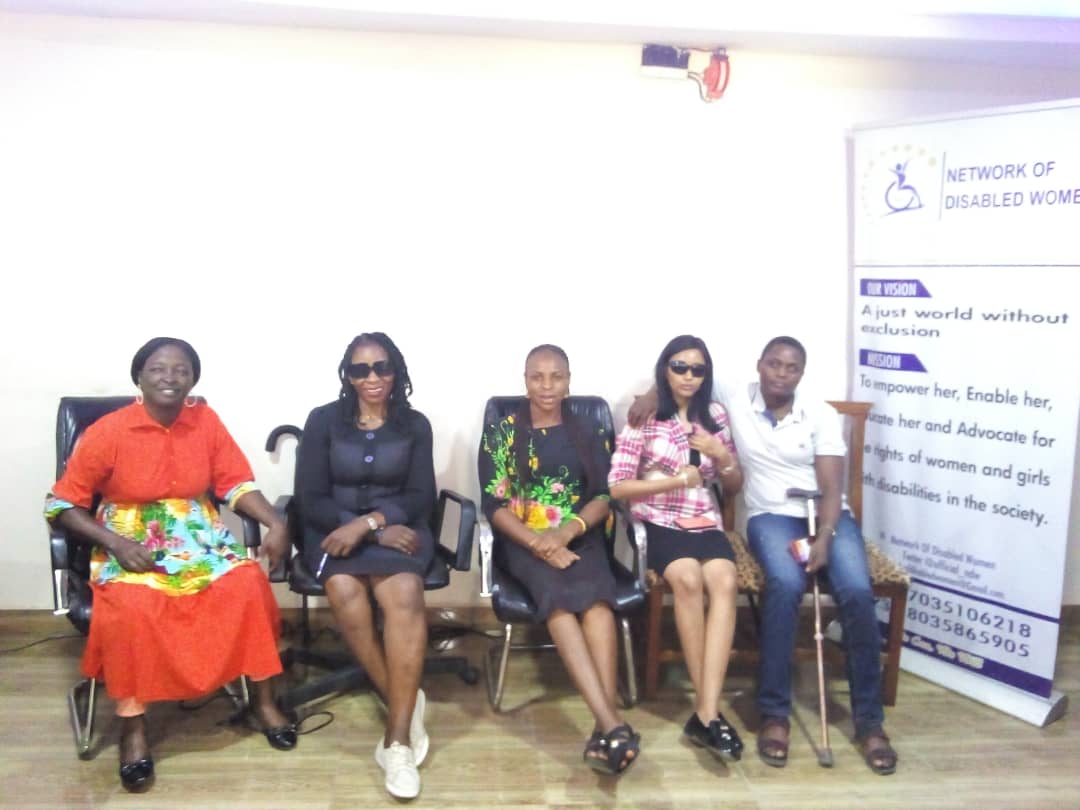
As the world commemorates the 2026 International Women’s Day (IWD), the Centre for Citizens with Disabilities (CCD) has renewed its call for the inclusion, rights, and development of women and girls with disabilities.
The organization, in a statement signed by Mr. Godwin Unumeri, Acting Director of CCD, said it stands in solidarity with women and girls living with disabilities whose rights continue to be overlooked and inadequately protected.
It noted that the 2026 IWD theme, “Rights. Justice. Action. For All Women and Girls,” is a reminder that access to justice is a fundamental human right and a cornerstone of equality and dignity.
According to Unumeri, women and girls with disabilities in Nigeria and other societies continue to face systemic discrimination rooted in harmful social norms, discriminatory laws, weak legal protections, and inaccessible justice systems.
The director noted that these realities deny them the opportunity to live free from violence, participate fully in society, and seek justice on an equal basis with others.
He said, “As affirmed by Article 7 of the Universal Declaration of Human Rights, all are equal before the law and are entitled, without any discrimination, to equal protection of the law.
“This principle must apply fully and equally to women and girls with disabilities.
“Women and girls with disabilities experience multiple and intersecting forms of discrimination on the basis of gender and disability in critical areas of life such as education, employment, healthcare, and access to justice, leaving them behind.”
He added that they continue to face discrimination, limited access to education, increasing vulnerability to poverty and abuse, forced dependency, and exclusion from leadership, political participation, and decision-making spaces, among others.
The organization, however, emphasized the need for urgent reforms, including the elimination of discriminatory laws, policies, and practices affecting women and girls with disabilities; the establishment of inclusive and equitable justice systems that provide reasonable accommodation; survivor-centred services; stronger protection and prevention measures to end gender-based violence; disability-inclusive legal aid services; and increased representation and participation of women with disabilities in governance.
The director stressed that true equality cannot be achieved when women and girls with disabilities are excluded from justice, denied protection, or silenced by systems meant to uphold their rights.
