


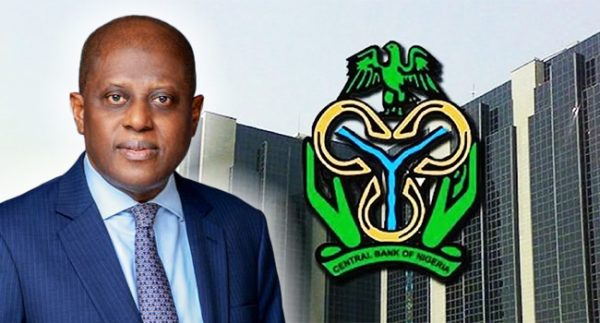
The Central Bank of Nigeria (CBN) has intensified verification of fresh capital raised by banks as the final month of the sector’s recapitalisation programme begins, with funds from about 13 lenders currently undergoing scrutiny ahead of the March 31 deadline.
Regulators say the verification process is the last major step before the newly raised equity can be formally approved and added to banks’ capital bases, concluding one of the most ambitious financial sector reforms in recent years.
The two-year recapitalisation window announced in 2023 will close at the end of March. Industry data indicates that banks are expected to raise at least N5 trillion in total capital, with about N4.05 trillion already secured by 20 lenders.
Under the leadership of CBN Governor Olayemi Cardoso, the exercise aims to build stronger banks capable of financing large-scale projects and supporting the Federal Government’s ambition of growing Nigeria into a $1 trillion economy.
ALSO READ Recapitalisation: Winners, strugglers, losers emerging as CBN’s March deadline nears
ALSO READ CBN recapitalisation drive gains momentum as 20 banks meet new capital thresholds
Cardoso recently disclosed that 20 banks have already met the new capital requirements, while others are at advanced stages of compliance. However, the apex bank insists that all newly raised equity must undergo capital verification before approval.
The CBN is the final signatory in a capital verification committee that also includes the Securities and Exchange Commission (Nigeria) and the Nigeria Deposit Insurance Corporation. The committee examines the source, authenticity and regulatory compliance of funds raised under the recapitalisation programme.
Ayokunle Olubunmi, Head of Financial Institutions Ratings at Agusto & Co, said many banks classified as being at an advanced stage have already raised the required funds.
“A lot of those described as advanced have already deposited their funds with the CBN. What the regulator is doing now is verifying the funds, not that they are still searching for capital,” he said.
The CBN governor has stressed that the recapitalisation drive is not only about increasing banks’ balance sheets but also about strengthening risk management, compliance culture and long-term financial stability.
According to him, Nigeria’s banking sector remains fundamentally sound, with key financial indicators within prudential limits. The non-performing loan ratio remains below the regulatory ceiling of five percent, while the liquidity ratio is above the mandatory 30 percent threshold.
Cardoso also noted that recent stress tests conducted by the apex bank confirmed the sector’s resilience even under adverse economic conditions.
However, he warned that emerging risks—including cyber threats, credit concentration and operational vulnerabilities—require stronger supervision and the continued transition toward Basel III standards.
Beyond recapitalisation, the CBN has introduced reforms aimed at strengthening discipline in financial markets. One such initiative is the adoption of the FX Global Code for authorised dealers and market participants to promote transparency and ethical conduct in the foreign exchange market.
Industry leaders say the reform will position banks to support Nigeria’s long-term economic ambitions. Oliver Alawuba, Group Managing Director of United Bank for Africa, described the recapitalisation as timely and essential for building resilience against economic shocks and financing large infrastructure projects.
Similarly, former CBN Deputy Governor Tunde Lemo said banks yet to meet the new thresholds may explore mergers and acquisitions to comply with the requirements, adding that regulators would ensure depositors’ funds remain protected.
The recapitalisation programme, launched in early 2024, is part of broader reforms supporting the economic agenda of President Bola Ahmed Tinubu to expand Nigeria’s economy to $1 trillion.
Economist Abiodun Adedipe, founder of B. Adedipe Associates Limited, said stronger banks are critical for financing long-term development, particularly in an economy driven by a young population, rapid urbanisation and expanding digital adoption.
With weeks to the March 31 deadline, attention is now focused on the CBN’s verification process, which will determine the final list of banks that meet the new capital requirements and shape the next phase of Nigeria’s banking sector reforms.
BusinessDay
