


Education experts have emphasized the need for Africa to embrace Artificial Intelligence (AI) in ways that safeguard and promote its cultural and intellectual identity.
They made the call on Tuesday at a two-day regional workshop on Open Educational Resources (OER) Practices in the Age of Artificial Intelligence (AI), held in Abuja.
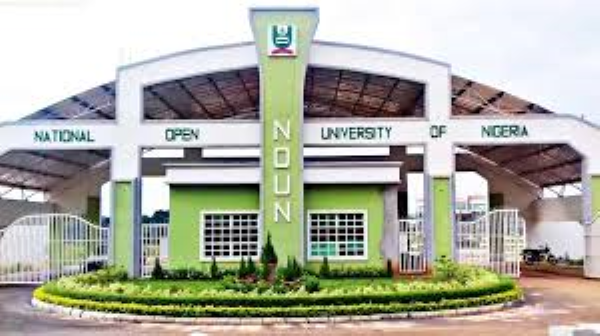
The workshop was organized by the National Open University of Nigeria (NOUN) in collaboration with the Commonwealth of Learning (COL), through the Regional Training and Research Institute for Distance and Open Learning (RETRIDOL). The theme of the event was “Emerging Issues in OER Practices in the Age of AI.”
Declaring the workshop open, the Vice-Chancellor of NOUN, Prof. Olufemi Peters, said the gathering was timely given the global conversations on the future of learning in an AI-driven world.
Represented by the Deputy Vice-Chancellor (Academic), Prof. Chiedu Mafiana, Peters said the workshop brought together academics, policymakers, distance-learning leaders and education officials from six West African countries.
He reiterated the institution’s commitment to innovations that respect diversity and promote inclusive learning across the continent.
“AI presents exciting possibilities for education, yet it must be used with great care. African institutions must lead with their values, not merely adopt foreign models,” Peters said.
“Our knowledge systems, our histories and our cultural perspectives matter deeply. We must build tools and policies that reflect the realities of our people. NOUN will continue to champion open, accessible and culturally grounded learning.”
The Vice-Chancellor also encouraged participants to use the platform to build networks that would sustain regional collaboration beyond the workshop.
In her remarks, Prof. Dorothy Ofoha, Deputy Director of RETRIDOL, said the workshop came at a time when institutions worldwide were reassessing the role of AI in education.
She noted that while AI offered immense potential, African countries must protect their unique values and identities as they adopt AI tools.
“We are entering a period of profound change in how knowledge is created and shared. AI has the power to support more flexible, inclusive and high-quality learning,” she said.
“Yet we must ensure these tools do not override our cultural and educational values. Africa must use AI to strengthen—not dilute—our systems. This workshop is where we begin to shape that responsible path.”
Ofoha added that participants would work together to design frameworks and policies that support AI-enhanced OER development grounded in African contexts.
Prof. Jane-Frances Agbu, Adviser on Higher Education at COL in Vancouver, reaffirmed the organizations mission to widen access to learning across the Commonwealth through openness, collaboration and technology.
“Artificial intelligence is reshaping education at an unprecedented speed. The challenge before us is to ensure that openness and equity remain at the centre,” she said.
“OER must continue to serve as trusted digital public goods for all learners. We must prepare our institutions to use AI thoughtfully, ethically and responsibly. Most importantly, African languages and knowledge systems must stay central in this evolution.”
