


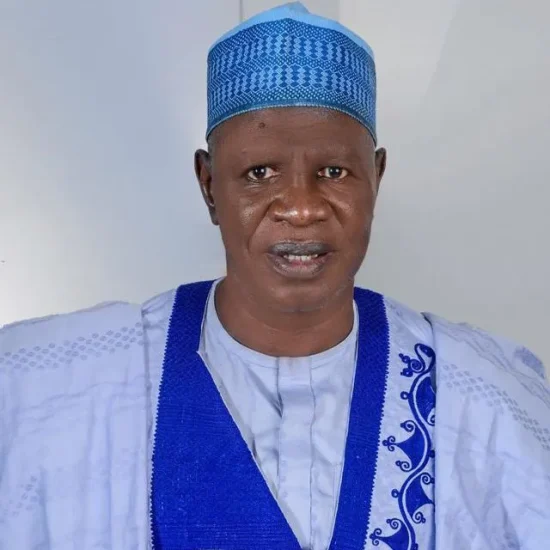
How safe are GMOs released in Nigeria? Since the commercial release of pod borer-resistant PBR Cowpea in 2019, no reported cases of health threats to humans, soils, or the environment have been observed in Nigeria so far. To quote Professor Shehu Ado Garki, a well-known Nigerian maize breeder and former Executive Director of IAR, Samaru, who is currently the chairman of the subcommittee on crops at the national varietal release, “There have been no recorded deaths from consuming genetically modified foods worldwide in the last two decades.” Two other top agricultural scientists, cowpea breeder Prof. Mohammed Ishiyaku Faguji and a crop protection specialist, Prof. Rabiu Adamu, both informed me at different times that GMOs are as safe as conventional foods, with no indication of health hazards or environmental risks. Based on my knowledge of the trio, they cannot be involved in anything that would harm humanity.
However, the GMO controversy has far overshadowed these personalities, as well as any Nigerian scientist working in Nigeria, who, daily, is struggling to survive the economic hardship and work under harsh and unconducive environments where intellectual wizardry is despised and unacknowledged. Recently, two top Nigerian breeders passed away due to frustration, having dedicated over thirty years of service each. One retired with no gratuity or pension, only to face a year of financial struggles to finance his ailing health situation, until he passed away. The other died in similar circumstances after he was paralyzed, no thanks to the contributory pension scheme, which the university workers are compulsorily enrolled in.
This harsh and unconducive environment for scientific innovation is a direct result of poor funding for agricultural research, which has made it almost impossible to develop GMOs. Nigeria is blessed with brilliant scientists who could excel in genetic engineering, develop GMO crops, and help Africa benefit from this edge-cutting technology. However, they need financial backing, as the cost of research and development for the GMO crop averages $130 million over 13 years, encompassing unrelenting work from the laboratory to the dining table. Nigeria allocates less than five percent of its annual budget to agriculture, which is grossly inadequate to fund agricultural research, particularly since budget releases are often haphazardly done – the 2025 capital budget was not released up to the end of August 2025. These are the reasons for importing most of our seeds into the country: some vegetables, hybrid seeds, and fertilizers.
ALSO READ GMO, Seed System, and Food Security Question in Nigeria [I], By Prof. MK Othman
ALSO READ GMOs: “Why we won’t poison our own people” — FG
ALSO READ NBMA warns of tough sanctions against unauthorized GMO imports
Beyond the safety concern, the GMO debate is between pro-GMO supporters funded by Bill and Melinda Gates, USAID, Monsanto, and those against GMOs—comprising agro-chemical industries (they will lose their markets), NGOs, left-leaning political parties, and people who believe the independence of farmers is threatened by the large seed companies as well as religious people who think man is going beyond “limit” through genetic engineering.
As the debate over GMO crops continues globally, researchers in biotechnology are actively working; they have already developed “Gene Editing and Other New Breeding Techniques.” These new methods aim to provide a ‘Second Chance’ for the worldwide adoption of Genetically Engineered Crops, which will greatly reduce concerns that GMO crops are not ‘natural’ or ‘messing with nature.’ New Breeding Techniques (NBTs), especially CRISPR gene editing, which mimics natural breeding, could offer a regulatory workaround, paving the way for a new wave of biotech innovation in the US, Europe, and developing countries, thus gaining public acceptance, according to news reports. What about terminator seeds? No terminator seeds have been commercialized due to strong public opposition, corporate pledges against their use, and a long-standing international moratorium. Terminator seeds can decrease crop diversity and pollinate nearby crops with sterile genes. This type of seed is not released in Nigeria.
Well, GMO or not, many of us, knowingly or unknowingly, continue to consume GMO foods, especially when traveling overseas. However, there is a need to label GMO foods in Nigeria so people can make informed choices, as is done in other countries. In Nigeria, our situation is not limited to GMOs; we also import a wide range of biotechnological products, food, seeds, and other goods without any assurance of their safety for our health and the environment.
Food and production input imports have a profound negative impact on our economy, but how effective are our regulatory agencies, quarantine, customs, and immigration services at the entry points in ensuring the safety of these imported goods? Your guess is as good as mine, but to truly understand this, you need to visit seaports, airports, and border towns and observe the shenanigans that occur during the clearance of goods. Ports and border towns are unofficial tollgates for unscrupulous officers responsible for enforcing the entry and exit regulations of people and their goods. To stop the import of seeds, we must address the challenges of our seed system. How viable is it?
Seed is the most crucial input in crop production after water because it determines the potential yield and can lead to complete crop failure. For a serious farmer, high-quality seed is non-negotiable and essential. In fact, seeds influence a country’s agricultural capacity. That’s why seed company approval often comes from the presidency. The seed value chain begins with breeder seeds at a federally operated research institute, where a seed company purchases these seeds to produce foundation seed. Outgrowers then use this foundation seed to produce certified seed for commercial sale.
Besides the poor funding of these research institutes, what challenges does Nigeria’s seed system face? First, seed demand data are unavailable; for example, when a seed company plans to produce ten tons of seeds, the government, a state, or the federal government might develop a program that requires thirty thousand tons of certified seeds for the season, in which some contractors might buy grains and pass them off as seeds. Seed adulteration is another major challenge; another issue is the lack of seed culture, as most smallholder farmers do not distinguish between seeds and grains due to poor extension services. The promotion of improved seeds among the public, which is part of extension efforts, is also very weak. Our seed system is currently chaotic, which has significantly contributed to the rise of seed importation.
With the current seed and food systems, achieving food security remains elusive until we reform the agricultural system beyond GMOs by using strategic models promoted by the Women Farmers Advancement Network (WOFAN) and Sasakawa Africa Association (SAA) on regenerative agriculture, capacity building, and entrepreneurship along the agricultural value chains. These models have successfully transformed the lives of millions of smallholder farmers and positively impacted the lives of several million other Nigerians through productivity enhancements, linkages, and market information.
