


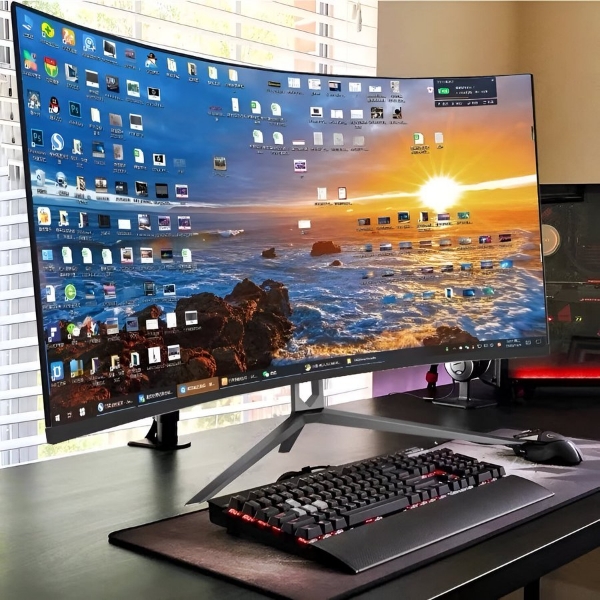
From the bustling tech hubs of Silicon Valley to quiet classrooms in rural Africa, more than 800 million people around the world start their day by powering up a Windows device. Whether they’re replying to emails, designing presentations, editing videos, or just watching YouTube, Windows is quietly working in the background—keeping the world moving.
It’s easy to overlook. Windows has become such a familiar part of daily life that we rarely stop to think about it. But the sheer scale of its daily use—800 million people—is a reminder of how deeply embedded it is in modern living.
“I use it for everything—school, editing, even gaming,” says Blessing A., a 21-year-old student in Abuja, Nigeria. “It’s like a digital home.”
For many office workers, it’s the first thing they interact with each morning. For teachers and students, it’s a classroom window. For developers, it’s a creative canvas. And for millions more, it’s the tool that keeps small businesses afloat.
Microsoft, now heavily investing in AI-powered features like Copilot, continues to evolve Windows to keep up with the times. It’s no longer just a desktop OS—it’s a hub for productivity, creativity, and increasingly, artificial intelligence.
Even in an age of smartphones and tablets, Windows remains a staple. And with such a massive user base logging in every single day, one thing is clear: the Windows era is far from over.
