

• Home
  • Agric
  • Sci & Tech
  • Health
  • Environment
  • Hausa News
  • More
    • Business/Banking & Finance
    • Politics/Elections
    • Entertainments & Sports
    • International
    • Investigation
    • Law & Human Rights
    • Africa
    • ACCOUNTABILITY/CORRUPTION
    • Hassan Gimba
    • Column
    • Prof. Jibrin Ibrahim
    • Prof. M.K. Othman
    • Defense/Security
    • Education
    • Energy/Electricity
    • Entertainment/Arts & Sports
    • Society and Lifestyle
    • Food & Agriculture
    • Health & Healthy Living
    • International News
    • Interviews
    • Investigation/Fact-Check
    • Judiciary/Legislature/Law & Human Rights
    • Oil & Gas/Mineral Resources
    • Press Freedom/Media/PR/Journalism
    • General News
    • Presidency
  • About Us
    • Contact Us
    • Board Of Advisory
    • Privacy Policy
    • Ethics Policy
    • Teamwork And Collaboration Policy
    • Fact-Checking Policy
    • Advertising
  • Media OutReach Newswire
    • Wire News
  • The Stories
Facebook Twitter Instagram
Trending
  • CBN, NEXIM meet to align strategies to boost non-oil exports, FX earnings
  • Condom prices set to rise 30%
  • Nigerian overnight financing rate: What it means for banks, markets and SMEs, By Kalu Aja
  • Global hunger to stay critical in 2026
  • Naira slides to N1,355/$ as external reserves dip to $48.48bn
  • Power transmission in Nigeria set to improve
  • Global fish growth declines over the last century
  • Building resilience locally–small-scale producers and fertilizer [FULL PAPER]
Facebook Twitter Instagram YouTube
AsheNewsAsheNews
  • Home
  • Agric

    Global hunger to stay critical in 2026

    April 24, 2026

    Building resilience locally–small-scale producers and fertilizer [FULL PAPER]

    April 24, 2026

    AFAN Enugu gets new leadership

    April 23, 2026

    Experts call for boost in local snail production

    April 23, 2026

    [EXPLAINER] Bottled water under the microscope: Why some brands stand out

    April 23, 2026
  • Sci & Tech

    Global fish growth declines over the last century

    April 24, 2026

    GIGM unveils integrated mobility platform

    April 23, 2026

    Airtel Africa launches DigiLeap tech drive for young women

    April 23, 2026

    CITAD urges more girls in tech

    April 23, 2026

    NCC to upgrade 12,000 towers, compensate users

    April 23, 2026
  • Health

    Condom prices set to rise 30%

    April 24, 2026

    HPV, malaria vaccines save lives across Africa

    April 24, 2026

    Group urges Nigerians to choose heart-healthy foods

    April 23, 2026

    Lagos trains officers to boost health surveillance

    April 23, 2026

    West Africa advances lassa fever vaccine readiness

    April 23, 2026
  • Environment

    Lagos cracks down on E-waste

    April 23, 2026

    Nigeria achieves 91% aviation safety rating

    April 23, 2026

    FG seeks $516m external financing for Sokoto–Badagry superhighway

    April 23, 2026

    NGE warns NBC over sanction threat

    April 22, 2026

    Don urges geographers to tackle forest crisis

    April 21, 2026
  • Hausa News

    Otti plans 250-room 5-star hotel in Umuahia

    April 11, 2026

    Anti-quackery task force seals 4 fake hospitals in Rivers

    August 29, 2025

    [BIDIYO] Yadda na lashe gasa ta duniya a fannin Ingilishi – Rukayya ‘yar shekara 17

    August 6, 2025

    A Saka Baki, A Sasanta Saɓani Tsakanin ‘Yanjarida Da Liman, Daga Muhammad Sajo

    May 21, 2025

    Dan majalisa ya raba kayan miliyoyi a Funtuwa da Dandume

    March 18, 2025
  • More
    1. Business/Banking & Finance
    2. Politics/Elections
    3. Entertainments & Sports
    4. International
    5. Investigation
    6. Law & Human Rights
    7. Africa
    8. ACCOUNTABILITY/CORRUPTION
    9. Hassan Gimba
    10. Column
    11. Prof. Jibrin Ibrahim
    12. Prof. M.K. Othman
    13. Defense/Security
    14. Education
    15. Energy/Electricity
    16. Entertainment/Arts & Sports
    17. Society and Lifestyle
    18. Food & Agriculture
    19. Health & Healthy Living
    20. International News
    21. Interviews
    22. Investigation/Fact-Check
    23. Judiciary/Legislature/Law & Human Rights
    24. Oil & Gas/Mineral Resources
    25. Press Freedom/Media/PR/Journalism
    26. General News
    27. Presidency
    Featured
    Recent

    CBN, NEXIM meet to align strategies to boost non-oil exports, FX earnings

    April 24, 2026

    Condom prices set to rise 30%

    April 24, 2026

    Nigerian overnight financing rate: What it means for banks, markets and SMEs, By Kalu Aja

    April 24, 2026
  • About Us
    1. Contact Us
    2. Board Of Advisory
    3. Privacy Policy
    4. Ethics Policy
    5. Teamwork And Collaboration Policy
    6. Fact-Checking Policy
    7. Advertising
    Featured
    Recent

    CBN, NEXIM meet to align strategies to boost non-oil exports, FX earnings

    April 24, 2026

    Condom prices set to rise 30%

    April 24, 2026

    Nigerian overnight financing rate: What it means for banks, markets and SMEs, By Kalu Aja

    April 24, 2026
  • Media OutReach Newswire
    • Wire News
  • The Stories
AsheNewsAsheNews
Home»Food & Agriculture»Building resilience locally–small-scale producers and fertilizer [FULL PAPER]
Food & Agriculture

Building resilience locally–small-scale producers and fertilizer [FULL PAPER]

Abdallah el-KurebeBy Abdallah el-KurebeApril 24, 2026Updated:April 24, 2026No Comments4 Mins Read
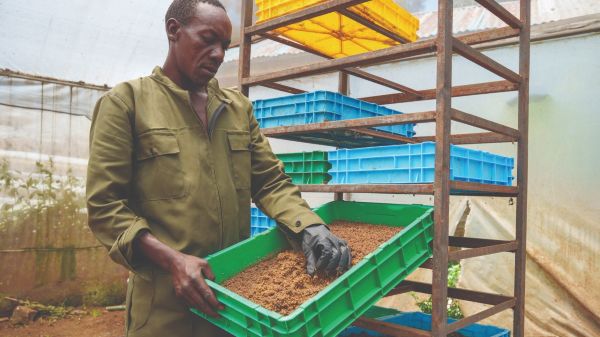
©IFAD-Andrew Kibe
Share
Facebook Twitter LinkedIn Pinterest Email

Recent shocks to global markets have once again highlighted the vulnerability of small-scale farmers to disruptions in fertilizer supply. Price volatility can quickly reduce access at the farm level, with direct consequences for productivity and incomes.

Disruptions to fertilizer and fuel shipments through the Strait of Hormuz have generated severe shocks to agricultural production and purchasing power, driven by fuel and food inflation. Fertilizer prices have doubled in some contexts (from ~US$350/mt to over US$700/mt within weeks), and fuel costs for small-scale producers have risen by up to 30%.

These price surges resulted in severe disruptions for small-scale farmers and producers worldwide, from Sri Lanka through Kenya to Sudan.

Up to 54% of fertilizers in some countries are imported from the Gulf. When those supply lines are threatened, the shock lands right at the farm gate, where the least capacity to absorb it exists.

The first mile under pressure

This is a recurring reality: external shocks – whether geopolitical, climate-related, or pandemic-driven – propagate rapidly through food value chains, reaching the first mile. The current crisis is the latest demonstration that the global food system is only as resilient as its most vulnerable node: small-scale producers with no buffer stocks, no price hedging and limited alternatives.

IFAD’s presence on the ground – working with local producers and small-scale agricultural businesses – provides a ground-level view of how this crisis is already being absorbed where it hurts most. In Sri Lanka, the energy crisis triggered by the conflict has crippled paddy harvesting. In Kenya, meat export volumes to Gulf markets, worth approximately US$2.3 million/week, are collapsing. In Sudan, rising input costs are straining an already fragile agricultural base.

A long-term framework

IFAD’s work seeks to address the underlying structural vulnerabilities that turn global shocks into local ones. This means investing in the first mile of food value chains – the farms, cooperatives and local economies where food systems begin.

Drawing on experience from previous crises, we have identified a set of activities that have proven efficient in fragile and crisis-affected settings.

  • In Malawi, through the Sustainable Agricultural Production Programme, the Crisis Response Initiative supported the production and use of Mbeya hybrid fertilizer – a locally blended input combining inorganic fertilizer with organic materials. Farmers adopted it as a cost-effective alternative, producing 4,311 bags and improving yields while mitigating exposure to global price volatility.
  • In Eritrea, IFAD enabled the production of liquid organic fertilizer from seaweed and fish waste, rapidly adopted by farmers and supported by public-private arrangements for scaling.
  • Financing agroecological approaches, improved soil health and fertilizer use efficiency. This includes digital platforms (including IFAD’s partnership with NEC Corporation using CropScope) that integrate soil testing and tailored application advice, reducing input waste and linking producers directly to input suppliers.

Rapid deployment instruments: CRI and RED

When shocks occur, IFAD can deploy targeted instruments without abandoning its development focus. In response to current pressures, IFAD is reactivating the Crisis Response Initiative (CRI) – a mechanism originally launched in 2022 in response to the war in Ukraine – to deliver rapid, targeted support that protects rural livelihoods and stabilizes food production.

Concurrently, IFAD is activating the Response to Emergency and Disaster (RED) mechanism within existing programmes, enabling faster disbursements, procurement and operational reprioritisation.

These tools allow IFAD to meet immediate needs while safeguarding longer-term development outcomes.

The case for investing in rural resilience

Building resilience in the first mile of food value chains is key to mitigating the impacts of future shocks. It strengthens stability while also driving economic growth and jobs. Resilient rural economies are a geostrategic imperative for stable global food value chains in an era of geopolitical, climate and environmental volatility.

Investing in small-scale food producers and rural entrepreneurs also reduces the need for costly future interventions: every dollar spent on resilience reduces crisis response liabilities.

This is not the first shock, nor will it be the last. The question is not whether another disruption will occur, but whether the structural vulnerabilities that amplify its impact will have been addressed. IFAD has the specialized knowledge and operational footprint to help governments make those investments – before the next shock reaches markets, and before markets reach breaking point.

Download the full paper HERE or at bit.ly/4cHFdeS

Source: IFAD

Fertilizer IFAD
Share. Facebook Twitter Pinterest LinkedIn WhatsApp Reddit Tumblr Email
Abdallah el-Kurebe
  • Website
  • Facebook
  • Twitter
  • LinkedIn

Related Posts

Global hunger to stay critical in 2026

April 24, 2026

AFAN Enugu gets new leadership

April 23, 2026

Experts call for boost in local snail production

April 23, 2026

Leave A Reply Cancel Reply

CBN, NEXIM meet to align strategies to boost non-oil exports, FX earnings

April 24, 2026

Condom prices set to rise 30%

April 24, 2026

Nigerian overnight financing rate: What it means for banks, markets and SMEs, By Kalu Aja

April 24, 2026

Global hunger to stay critical in 2026

April 24, 2026
About Us
About Us

ASHENEWS (AsheNewsDaily.com), published by PenPlus Online Media Publishers, is an independent online newspaper. We report development news, especially on Agriculture, Science, Health and Environment as they affect the under-reported rural and urban poor.

We also conduct investigations, especially in the areas of ASHE, as well as other general interests, including corruption, human rights, illicit financial flows, and politics.

Contact Info:
  • 1st floor, Dogon Daji House, No. 5, Maiduguri Road, Sokoto
  • +234(0)7031140009
  • ashenewsdaily@gmail.com
Facebook Twitter Instagram Pinterest
© 2026 All Rights Reserved. ASHENEWS Daily Designed & Managed By DeedsTech

Type above and press Enter to search. Press Esc to cancel.