

• Home
  • Agric
  • Sci & Tech
  • Health
  • Environment
  • Hausa News
  • More
    • Business/Banking & Finance
    • POLITICS
    • Entertainments & Sports
    • International
    • Investigation
    • Law & Human Rights
    • Africa
    • ACCOUNTABILITY/CORRUPTION
    • Hassan Gimba
    • Column
    • Prof. Jibrin Ibrahim
    • Prof. M.K. Othman
    • Defense/Security
    • Education
    • Energy/Electricity
    • Entertainment/Arts & Sports
    • Society and Lifestyle
    • Food & Agriculture
    • Health & Healthy Living
    • International News
    • Interviews
    • Investigation/Fact-Check
    • LAW & HUMAN RIGHTS
    • Oil & Gas/Mineral Resources
    • PRESS FREEDOM/JOURNALISM/PR
    • General News
    • Presidency
  • About Us
    • Contact Us
    • Board Of Advisory
    • Privacy Policy
    • Ethics Policy
    • Teamwork And Collaboration Policy
    • Fact-Checking Policy
    • Advertising
  • Media OutReach Newswire
    • Wire News
  • The Stories
Facebook Twitter Instagram
Trending
  • First lady partners with ANSACA to boost HIV awareness in Anambra
  • Association calls for inclusive implementation of Nigeria’s NDC
  • Parents urged to support teachers, not harass them
  • Plastic waste to housing materials to tackle Nigeria’s housing shortage
  • N-HYPPADEC distributes power tillers to Kaduna farmers
  • World Menstrual Hygiene Day: Sokoto stakeholders renew commitment to girls’ health, dignity
  • Association strengthens regulatory collaboration in West Africa
  • Africa CDC, WHO launch Ebola preparedness plan
Facebook Twitter Instagram YouTube
AsheNewsAsheNews
  • Home
  • Agric

    N-HYPPADEC distributes power tillers to Kaduna farmers

    June 6, 2026

    Niger Assembly approves $14.4m loan to finance Niger Foods

    June 3, 2026

    Expert: Nigerian food products face export challenges

    June 3, 2026

    Agrify, TCF launch AI farming tool in Zuma

    June 3, 2026

    Niger State and AGAN launch private extension initiative to tackle agricultural crisis

    June 2, 2026
  • Sci & Tech

    NIFST urges sanctions for unsafe food practices

    June 4, 2026

    FEC approves national research and innovation development fund

    June 4, 2026

    Africa’s key challenge Is market access, not talent

    June 3, 2026

    Association urges proper metrics to boost Africa’s innovation

    June 2, 2026

    Airtel Africa tops NGX gains

    June 2, 2026
  • Health

    First lady partners with ANSACA to boost HIV awareness in Anambra

    June 6, 2026

    World Menstrual Hygiene Day: Sokoto stakeholders renew commitment to girls’ health, dignity

    June 6, 2026

    Association strengthens regulatory collaboration in West Africa

    June 6, 2026

    Africa CDC, WHO launch Ebola preparedness plan

    June 6, 2026

    Zulum to inaugurate Kashim Ibrahim Teaching Hospital in 2 months

    June 6, 2026
  • Environment

    Plastic waste to housing materials to tackle Nigeria’s housing shortage

    June 6, 2026

    NRC pledges to improve worker welfare

    June 6, 2026

    Lagos warns population growth will increase pollution

    June 5, 2026

    Kaduna distributes 100 clean cookstoves for environment day

    June 5, 2026

    Sahara Desert: 49 people die of thirst after truck breaks down

    June 5, 2026
  • Hausa News

    Otti plans 250-room 5-star hotel in Umuahia

    April 11, 2026

    Anti-quackery task force seals 4 fake hospitals in Rivers

    August 29, 2025

    [BIDIYO] Yadda na lashe gasa ta duniya a fannin Ingilishi – Rukayya ‘yar shekara 17

    August 6, 2025

    A Saka Baki, A Sasanta Saɓani Tsakanin ‘Yanjarida Da Liman, Daga Muhammad Sajo

    May 21, 2025

    Dan majalisa ya raba kayan miliyoyi a Funtuwa da Dandume

    March 18, 2025
  • More
    1. Business/Banking & Finance
    2. POLITICS
    3. Entertainments & Sports
    4. International
    5. Investigation
    6. Law & Human Rights
    7. Africa
    8. ACCOUNTABILITY/CORRUPTION
    9. Hassan Gimba
    10. Column
    11. Prof. Jibrin Ibrahim
    12. Prof. M.K. Othman
    13. Defense/Security
    14. Education
    15. Energy/Electricity
    16. Entertainment/Arts & Sports
    17. Society and Lifestyle
    18. Food & Agriculture
    19. Health & Healthy Living
    20. International News
    21. Interviews
    22. Investigation/Fact-Check
    23. LAW & HUMAN RIGHTS
    24. Oil & Gas/Mineral Resources
    25. PRESS FREEDOM/JOURNALISM/PR
    26. General News
    27. Presidency
    Featured
    Recent

    First lady partners with ANSACA to boost HIV awareness in Anambra

    June 6, 2026

    Association calls for inclusive implementation of Nigeria’s NDC

    June 6, 2026

    Parents urged to support teachers, not harass them

    June 6, 2026
  • About Us
    1. Contact Us
    2. Board Of Advisory
    3. Privacy Policy
    4. Ethics Policy
    5. Teamwork And Collaboration Policy
    6. Fact-Checking Policy
    7. Advertising
    Featured
    Recent

    First lady partners with ANSACA to boost HIV awareness in Anambra

    June 6, 2026

    Association calls for inclusive implementation of Nigeria’s NDC

    June 6, 2026

    Parents urged to support teachers, not harass them

    June 6, 2026
  • Media OutReach Newswire
    • Wire News
  • The Stories
AsheNewsAsheNews
Home»Environment/Climate Change»[VIEWPOINT] Faith and heat: Fasting in Nigeria’s rising temperatures
Environment/Climate Change

[VIEWPOINT] Faith and heat: Fasting in Nigeria’s rising temperatures

EditorBy EditorMarch 24, 2025Updated:March 24, 2025No Comments5 Mins Read
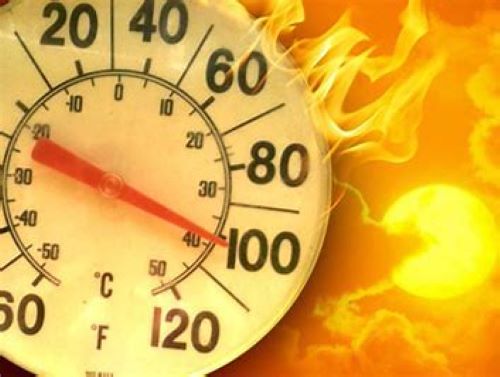
Extreme heat
Extreme heat
Share
Facebook Twitter LinkedIn Pinterest Email

In Ilorin, the capital of Kwara, Nigeria, the resilience of individuals fasting during extreme heat is a testament to human perseverance.

Among them is Hassan Adamu, a 46-year-old labourer who, despite observing Ramadan, was seen purchasing cold water.

It was not to drink, but to pour over his head and body to cool down under the scorching sun.

“The weather has been very hot and dehydrating, and coupled with the fact that the Ramadan fast is ongoing and I cannot drink water, I just had to look for an option to feel better while I work,” he explained.

Driven by necessity, he continues his strenuous labour to support his family; part of the silent struggles faced by many during this season.

“I would have loved to do less strenuous work during this period, but I have to make ends meet and feed my family,” he said.

In the past two weeks, temperatures in Ilorin have ranged between 35°C and 42°C, causing widespread discomfort and increasing the risk of heatstroke, especially for those fasting during Ramadan and Lent.

As faith and environmental challenges collide, remarkable stories of adaptation and resilience continue to emerge.

At a construction site, Victor Adeoti, another labourer, revealed how their schedule was adjusted to mitigate the effects of the heat.

“We start work as early as 6:30 a.m. and close by 1 p.m. to avoid casualties,” he said, recalling an incident at the start of Ramadan where a worker nearly collapsed from dehydration.

Fortunately, their supervisor allowed the adjustment, recognising the struggles of fasting workers enduring the scorching conditions.

However, not everyone is as fortunate.

Zakariyah Usman, who works long hours fixing interlocks on road dividers, must endure labouring until 5 p.m., with only short rest breaks in between.

For him, economic hardship leaves no choice but to persevere albeit the toll on his well-being.

Meanwhile, street vendor Aminat Salako has adapted her routine to cope with the relentless heat.

She carries her heavy yam goods before sunrise and seeks shaded spots during the day.

Yet, even with strategic timing, she still battles dehydration and fatigue.

For Hajia Memunat Alabi, a civil servant, the challenges forced her to reschedule her annual leave from July to March.

“In the first week of Ramadan, once it was 1 p.m., I started feeling uncomfortable. But during weekends, I felt better because I stayed indoors.

“This made me reschedule my annual leave from July to March before I collapse at work,” she said, noting the debilitating impact of the heat.

Nigeria’s heatwaves are worsening, leading to severe health, agricultural, and economic challenges.

In 2024, heat-related illnesses surged by 30 per cent with over 2,000 deaths recorded (AP News).

Crop yields dropped 20 per cent and yam farmers in Abuja lost 65 per cent of their harvests due to excessive heat (Daily Post).

Electricity demand spiked 30 per cent, worsening power outages (AllAfrica).

Environmental experts insist that urgent climate action is needed to curb these growing risks.

Recognising the severity of the situation, the Kwara Government has issued precautionary guidelines.

Commissioner for Environment Nafisat Buge urged residents to limit outdoor activities during peak hours, wear light, breathable clothing, and stay hydrated.

This, she emphasised, is crucial as Kwara is one of the 19 states predicted by the Nigeria Meteorological Agency (NiMet) to experience heatwaves and extremely high temperatures.

To mitigate risks, the state is collaborating with stakeholders to raise public awareness and ensure healthcare facilities are prepared for heatwave emergencies.

Heatwaves, and prolonged periods of excessively high temperatures have become frequent in Ilorin and other North Central states.

According to the World Meteorological Organisation (WMO), heatwaves are becoming more frequent and intense, a trend expected to continue as global temperatures rise.

The dangers of extreme heat are underscored by medical professionals.

Dr Aisha Oyerinde-Jimoh, a general practitioner, warned that heatstroke is a major concern.

According to her, when the body’s natural cooling mechanisms fail, excessive temperatures can lead to life-threatening conditions.

She explained that heatstroke occurs when body temperature exceeds 40°C, potentially causing organ failure and even death if untreated.

To prevent this, she advised those fasting to drink at least two litres of water during non-fasting hours, consume water-rich foods like cucumbers, watermelon, and avocado, and avoid sugary or alcoholic beverages.

She also recommended wearing loose-fitting, breathable clothing, using umbrellas and sunscreen, and employing cooling methods like fans or air conditioners.

“Avoid alcohol and sugary drinks because there is always an urge to drink water afterwards.

“Also, use fans, air conditioners, and coolers. Avoid clothes that don’t absorb heat, wear breathable and loose-fitting garments.

“Use a hat or umbrella, apply sunscreen, and never leave children in parked vehicles,” she advised.

Similarly, the National Orientation Agency (NOA) has called for safety measures, stressing the importance of reducing sun exposure between 1 p.m. and 4 p.m.

The NOA says staying hydrated and recognising the signs of heat-related illnesses is essential.

According to climate and sustainability expert Olumide Idowu, the root cause of these extreme weather events lies in climate change.

He attributes the disrupted weather patterns to human activities, including burning fossil fuels, deforestation, and industrial emissions, which release greenhouse gases like carbon dioxide and methane.

“These gases trap heat in the atmosphere, leading to global warming and an increase in extreme weather events such as heatwaves,” he explained.

To mitigate these effects, he advocates for adaptive strategies, including creating urban green spaces to reduce heat absorption and implementing effective drainage systems to prevent flooding.

He also emphasises the need to transition to renewable energy sources like solar and wind power while promoting public awareness about climate risks and preparedness.

“People can also focus on energy efficiency by using renewable energy sources like solar or wind power, enhancing home insulation, and choosing energy-efficient appliances to lower greenhouse gas emissions.

‘’Promoting public awareness about climate risks through education and community programmes can further strengthen resilience,” he added. 

By Bushrah Yusuf-Badmus, NANFeatures

Heat Ramadan fasting
Share. Facebook Twitter Pinterest LinkedIn WhatsApp Reddit Tumblr Email
Editor
  • Website

Related Posts

Plastic waste to housing materials to tackle Nigeria’s housing shortage

June 6, 2026

NRC pledges to improve worker welfare

June 6, 2026

Lagos warns population growth will increase pollution

June 5, 2026

Leave A Reply Cancel Reply

First lady partners with ANSACA to boost HIV awareness in Anambra

June 6, 2026

Association calls for inclusive implementation of Nigeria’s NDC

June 6, 2026

Parents urged to support teachers, not harass them

June 6, 2026

Plastic waste to housing materials to tackle Nigeria’s housing shortage

June 6, 2026
About Us
About Us

ASHENEWS (AsheNewsDaily.com), published by PenPlus Online Media Publishers, is an independent online newspaper. We report development news, especially on Agriculture, Science, Health and Environment as they affect the under-reported rural and urban poor.

We also conduct investigations, especially in the areas of ASHE, as well as other general interests, including corruption, human rights, illicit financial flows, and politics.

Contact Info:
  • 1st floor, Dogon Daji House, No. 5, Maiduguri Road, Sokoto
  • +234(0)7031140009
  • ashenewsdaily@gmail.com
Facebook Twitter Instagram Pinterest
© 2026 All Rights Reserved. ASHENEWS Daily Designed & Managed By DeedsTech

Type above and press Enter to search. Press Esc to cancel.