


I am mourning. And I am in pain. The killing of Sheikh Yahya Ibrahim Masussuka has left a heaviness in my heart that is difficult to describe. For those of us who listened to him, reflected on his words and admired his courage to question, this loss is deeply personal.
Only last year, I wrote about him as a mirror of a changing North. I saw in him a man willing to challenge inherited assumptions and ask questions that many had learned to fear. When he faced intimidation, I spoke up for his right to be heard. I never imagined that I would so soon be writing a tribute to him.
I also mourn his friend, Adamu Abubakar, who was killed alongside him. May Allah comfort both families and all who loved them.
At 52, I have watched, before my own eyes, the rise and spread of extremist ideas in our society. I have watched a culture of religious denunciation grow, until some young people now seem to believe that a person is better dead than allowed to hold a different view.
ALSO RREAD Gunmen kill Islamic scholar Masussuka, friend in Katsina, Police launch manhunt
That did not happen overnight. Ideas were taught. Labels were repeated. People were told whom to fear, whom to condemn and whose humanity to question. Over time, what should have been an argument about belief became, for some, a question of who deserves to live.
There are reports that Ansaru has claimed responsibility for the attack. That claim must be verified, and the killing thoroughly investigated.
But the painful reactions we have seen also deserve our attention. Some Muslims have celebrated Masussuka’s death because they disagreed with his understanding of religion.
Others, including people who disagreed with him, have condemned the killing. Their humanity gives me hope.
Masussuka was particularly critical of Izala ideology. He challenged what he saw as its intolerance of alternative interpretations and its use of takfir, declaring others unbelievers or deviants. He urged us to examine the sources and interpretations that can also be invoked by violent extremists.
That is not to say that every Izala follower supports violence. It is to say that we must be able to question ideas, including those shared across different religious currents, without pretending that words and teachings have no consequences.
In my view, over the past years, no one has offered a more compelling intellectual pushback against this culture than Masussuka. He was logical, bold and remarkably careful in how he made his case.
He was not without humour. When people mocked him, he could mock them back with equal vigour, using familiar Hausa expressions and metaphors that made his audiences laugh and think.
Yet he was careful with his words, challenging his opponents while navigating the legal pitfalls that could be used to silence him.
For many, he created a space where difficult philosophical questions about religion could be explored without surrendering to fear. A space where one could ask, “Why do we believe this?” without immediately being accused of abandoning faith. That, to me, is part of his enduring legacy.
Some may wonder why I concern myself with these questions. It is possible to ignore them and go about one’s business. But as someone who works in development, I have long believed that the ideas governing a society shape what that society is able to become.
Development has many causes: leadership, institutions, investment, education and history all matter. But a society that discourages questioning, punishes curiosity and teaches its young people to fear different ideas also holds itself back intellectually. It weakens the very habits of inquiry, openness and self-criticism needed to confront its problems and imagine a better future.
This is one reason I have continued to speak. The space Masussuka helped open matters beyond theology. It matters to our progress as a people, in Northern Nigeria and across Africa.
To our young people, I say this with a grieving heart: you cannot win an argument by ending a life.
If you believe someone is wrong, challenge the idea. Bring your evidence. Read, listen, debate and persuade. Every idea can be questioned. Every scholar is human. None of us owns truth so completely that another person must die for seeing it differently.
A person can be killed, but the questions he asked do not die with him. His teachings remain.
His humour remains in the memories of those who listened. And the space he helped open for people to think will remain alive for as long as we have the courage to keep it open.
I mourn Masussuka because his voice mattered. Because he dared to think aloud. Because, in a society too often governed by fear of difference, he gave others the courage to ask questions.
May Allah forgive Sheikh Masussuka and Adamu Abubakar, grant them Aljannatul Firdaus, and give their families the strength to bear this loss.
And may we learn, before more lives are lost, that disagreement is not a crime and difference is not a licence to kill.
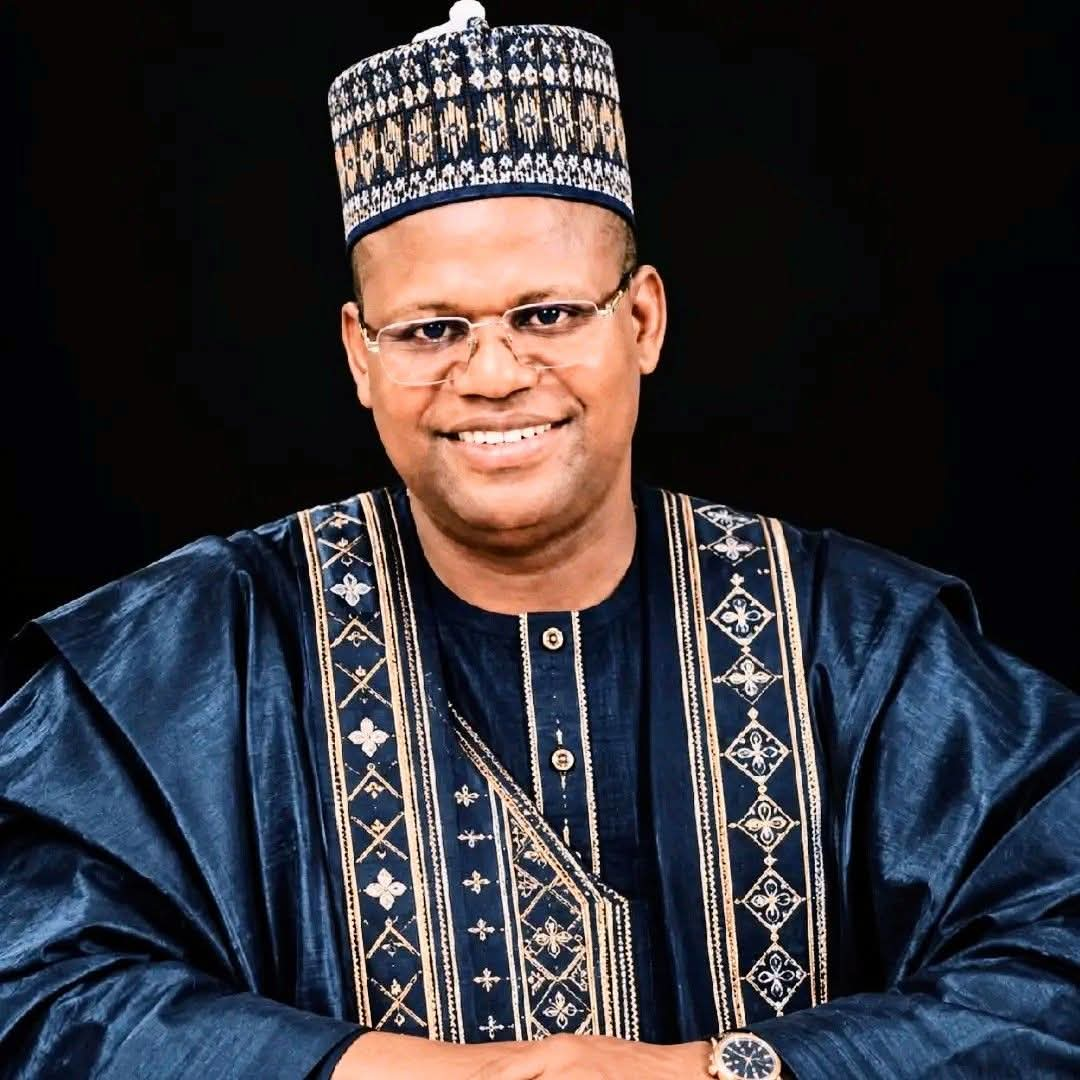
Abdulrazak Ibrahim
27/10/26
