


The Organised Private Sector in Water, Sanitation and Hygiene (OPS-WASH) has partnered with SATO to expand access to affordable, safe toilets in rural communities across eight states.
The partnership was announced on Wednesday to mark World Toilet Day 2026. It aims to strengthen sanitation infrastructure by expanding product distribution and advocating for private sector-led solutions.
The initiative will focus on Bauchi, Benue, Cross River, Gombe, Kaduna, Kano, Katsina and Oyo states.
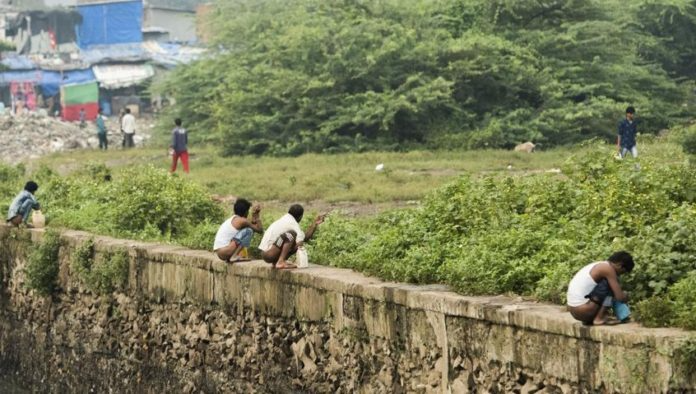
About 46 million people in Nigeria still practise open defecation, while only 172 of the country’s 774 local government areas have been certified as Open Defecation Free (ODF). The Federal Government has set 2030 as its target for ending open defecation nationwide.
This year’s World Toilet Day theme, “Safe toilets, Equal futures,” highlights the disproportionate impact of poor sanitation on women and girls.
Under the partnership, OPS-WASH will use its national network, including members of the Association of Professional Women Engineers of Nigeria (APWEN), to expand access to SATO products.
Manufactured in Nigeria, the products are designed to provide affordable sanitation solutions, particularly for low-income rural households.
The campaign will engage state governors, commissioners for water resources and the environment, and State Rural Water Supply and Sanitation Agencies (RUWASSAs). It will provide stakeholders with evidence and practical tools to include affordable sanitation products in state ODF programmes and budgets.
Dr Nicholas Igwe, National Coordinator of OPS-WASH, said government efforts alone would not be enough to end open defecation.
“Nigeria cannot end open defecation through government efforts alone; a coordinated private sector response is essential to scaling affordable solutions that households can buy,” he said.
Igwe said the partnership would engage governors and RUWASSAs to show that ending open defecation was achievable and affordable. He added that the initiative would make improved sanitation more accessible to households across the country.
Waheed Kareem, Country Leader of SATO Nigeria, said collaboration among stakeholders was essential to achieving access to safe sanitation. He identified individuals, households, corporate and government institutions, religious organisations, non-governmental organisations and development partners as key stakeholders.
Kareem said the partnership with OPS-WASH was established to improve the distribution and accessibility of appropriate, suitable and affordable sanitation solutions. He expressed optimism that the collaboration would support Nigeria’s efforts to achieve ODF status by 2030.
The partnership is expected to complement the Federal Ministry of Water Resources and Sanitation’s efforts to end open defecation through the Clean Nigeria: Use the Toilet Campaign.
OPS-WASH and SATO said they would work with federal and state institutions, development partners and private sector organisations to help more local government areas attain ODF status.
