


Dr. Bisola Aduba, an agritech expert, says Nigeria can substantially increase food production by adopting precision agriculture instead of expanding cultivation into shrinking farmlands.
Aduba said this during an interview with reporters on Wednesday in Abuja. She noted that the combined pressures of desertification, insecurity and rapid population growth require farmers to produce more food from existing farmland.
She said the future of agriculture in states such as Benue and Southern Kaduna lies in using technology to improve productivity rather than clearing additional land that could fuel conflicts over grazing routes.
“To double yields on half the land without encroaching on stock routes, farmers in Benue and Southern Kaduna must shift from land expansion to data-driven intensification,” she said.
According to her, targeted soil mapping enables farmers to understand the exact condition of every section of their farms instead of relying on guesswork. Digital soil mapping can identify soil acidity, organic matter and deficiencies in essential nutrients, allowing farmers to apply only the nutrients each portion of land actually requires.
Such precision eliminates waste associated with blanket fertiliser application, lowers production costs and restores degraded soils faster, leading to significant improvements in crop yields.
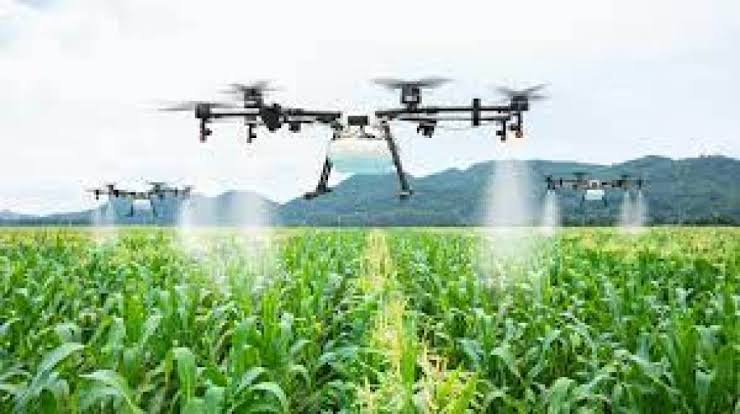
She further highlighted the growing importance of drones fitted with multispectral sensors, saying they can detect crop stress, pest attacks and moisture shortages before visible symptoms appear. Early detection allows farmers to intervene quickly, preventing losses that often reduce harvests and household incomes.
Drone-assisted spot spraying also ensures pesticides and other treatments are applied only where necessary, reducing chemical use while protecting surrounding vegetation and water sources.
“Instead of treating entire fields, farmers can focus only on affected areas, cutting chemical use considerably while preserving healthy crops and reducing production losses,” she said.
Aduba said precision farming also involves using sensor-guided irrigation systems and automated planting equipment to optimise plant spacing and water application. Delivering water directly to crop root zones and maintaining ideal plant populations can significantly increase production per hectare without expanding cultivated land.
She added that digital mapping and geo-fencing technologies can support peaceful coexistence between farming and pastoral communities. Clearly mapped farm boundaries and designated grazing corridors would reduce encroachment, minimise disputes and encourage more sustainable land management practices.
Aduba urged governments, agricultural extension services and development partners to expand farmers’ access to digital soil information, drone services and precision farming technologies. Strengthening such support would improve food security, raise farm incomes and help Nigeria meet rising food demand in spite of declining arable land and increasing environmental pressures.
