

• Home
  • Agric
  • Sci & Tech
  • Health
  • Environment
  • Hausa News
  • More
    • Business/Banking & Finance
    • POLITICS
    • Entertainments & Sports
    • International
    • Investigation
    • Law & Human Rights
    • Africa
    • ACCOUNTABILITY/CORRUPTION
    • Hassan Gimba
    • Column
    • Prof. Jibrin Ibrahim
    • Prof. M.K. Othman
    • Defense/Security
    • Education
    • Energy/Electricity
    • Entertainment/Arts & Sports
    • Society and Lifestyle
    • Food & Agriculture
    • Health & Healthy Living
    • International News
    • Interviews
    • Investigation/Fact-Check
    • LAW & HUMAN RIGHTS
    • Oil & Gas/Mineral Resources
    • PRESS FREEDOM/JOURNALISM/PR
    • General News
    • Presidency
  • About Us
    • Contact Us
    • Board Of Advisory
    • Privacy Policy
    • Ethics Policy
    • Teamwork And Collaboration Policy
    • Fact-Checking Policy
    • Advertising
  • Media OutReach Newswire
    • Wire News
  • The Stories
Facebook Twitter Instagram
Trending
  • Ministry backs AUFCDN-IMP partnership to strengthen meat value chain
  • Kaduna reviews 2026 health sector performance, sets priorities for 2027
  • NGO leads drive to improve childhood immunization in Sokoto
  • Young Nigerians at risk of hypertension due to lifestyle
  • ACF introduces vetiver to combat soil erosion in Adamawa
  • Oando blames third party sabotage for June oil spill
  • WHO highlights Bangladesh’s high hepatitis C burden
  • Nigeria launches unified govt service portal
Facebook Twitter Instagram YouTube
AsheNewsAsheNews
  • Home
  • Agric

    Ministry backs AUFCDN-IMP partnership to strengthen meat value chain

    July 28, 2026

    ACF introduces vetiver to combat soil erosion in Adamawa

    July 28, 2026

    Fintiri wins AAIS award for food security leadership

    July 28, 2026

    ACF trains Gella residents on climate-smart agriculture

    July 27, 2026

    OTACCWA boss warns of rice, tomato shortages in three months

    July 27, 2026
  • Sci & Tech

    Nigeria launches unified govt service portal

    July 28, 2026

    Meta upgrades AI assistant with task planning, app tools

    July 28, 2026

    AMCON seeks strategic investors for NTEL

    July 28, 2026

    Urhoghide calls for collaboration to protect Nigeria’s fibre infrastructure

    July 27, 2026

    Abuja GSM market enhances security to curb stolen phones

    July 27, 2026
  • Health

    Kaduna reviews 2026 health sector performance, sets priorities for 2027

    July 28, 2026

    NGO leads drive to improve childhood immunization in Sokoto

    July 28, 2026

    Young Nigerians at risk of hypertension due to lifestyle

    July 28, 2026

    WHO highlights Bangladesh’s high hepatitis C burden

    July 28, 2026

    Plateau reports high hepatitis B, C prevalence

    July 28, 2026
  • Environment

    Oando blames third party sabotage for June oil spill

    July 28, 2026

    NGO founder urges stronger ban on illegal sand mining in Rivers

    July 28, 2026

    COSA appeals for urgent intervention after rainstorm damages 68 houses in Kuta

    July 28, 2026

    Dangote cement advances sustainability with 1,500 CNG trucks, upgraded CDP rating

    July 28, 2026

    FG launches harmonized HR modules to strengthen civil service

    July 27, 2026
  • Hausa News

    UNA signs MoU to launch air Bissau in Guinea-Bissau

    June 15, 2026

    Otti plans 250-room 5-star hotel in Umuahia

    April 11, 2026

    Anti-quackery task force seals 4 fake hospitals in Rivers

    August 29, 2025

    [BIDIYO] Yadda na lashe gasa ta duniya a fannin Ingilishi – Rukayya ‘yar shekara 17

    August 6, 2025

    A Saka Baki, A Sasanta Saɓani Tsakanin ‘Yanjarida Da Liman, Daga Muhammad Sajo

    May 21, 2025
  • More
    1. Business/Banking & Finance
    2. POLITICS
    3. Entertainments & Sports
    4. International
    5. Investigation
    6. Law & Human Rights
    7. Africa
    8. ACCOUNTABILITY/CORRUPTION
    9. Hassan Gimba
    10. Column
    11. Prof. Jibrin Ibrahim
    12. Prof. M.K. Othman
    13. Defense/Security
    14. Education
    15. Energy/Electricity
    16. Entertainment/Arts & Sports
    17. Society and Lifestyle
    18. Food & Agriculture
    19. Health & Healthy Living
    20. International News
    21. Interviews
    22. Investigation/Fact-Check
    23. LAW & HUMAN RIGHTS
    24. Oil & Gas/Mineral Resources
    25. PRESS FREEDOM/JOURNALISM/PR
    26. General News
    27. Presidency
    Featured
    Recent

    Ministry backs AUFCDN-IMP partnership to strengthen meat value chain

    July 28, 2026

    Kaduna reviews 2026 health sector performance, sets priorities for 2027

    July 28, 2026

    NGO leads drive to improve childhood immunization in Sokoto

    July 28, 2026
  • About Us
    1. Contact Us
    2. Board Of Advisory
    3. Privacy Policy
    4. Ethics Policy
    5. Teamwork And Collaboration Policy
    6. Fact-Checking Policy
    7. Advertising
    Featured
    Recent

    Ministry backs AUFCDN-IMP partnership to strengthen meat value chain

    July 28, 2026

    Kaduna reviews 2026 health sector performance, sets priorities for 2027

    July 28, 2026

    NGO leads drive to improve childhood immunization in Sokoto

    July 28, 2026
  • Media OutReach Newswire
    • Wire News
  • The Stories
AsheNewsAsheNews
Home»Science/Tech & Innovation/R&D»[FACTCHECK] 16 misleading myths about solar power debunked
Science/Tech & Innovation/R&D

[FACTCHECK] 16 misleading myths about solar power debunked

Abdallah el-KurebeBy Abdallah el-KurebeSeptember 8, 2025Updated:September 8, 2025No Comments4 Mins Read
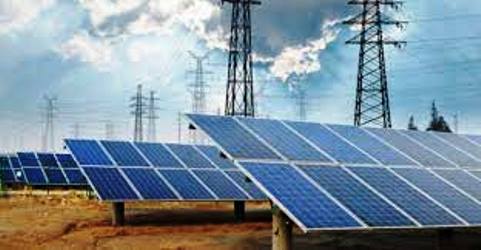
Solar panels
Solar panels
Share
Facebook Twitter LinkedIn Pinterest Email

As solar power rapidly grows worldwide and is poised to become the largest electricity source by 2033, critics continue to spread myths that cloud public understanding. Here’s what the facts say about 16 common solar power misconceptions.

Myth 1: Solar power Is unreliable

Contrary to claims that solar produces power only when the sun shines, solar is actually highly reliable. It follows predictable daily and seasonal cycles, complementing wind energy. Solar panels generate electricity even on cloudy days and are increasingly paired with battery storage for near-continuous supply. Studies show solar failure rates are extremely low, and grids with high solar shares, like Germany’s, remain highly reliable without fossil fuels .

Myth 2: Solar and wind power are expensive

Solar power costs have plummeted by 90% since 2010, making it the cheapest electricity source in many places worldwide even without subsidies. Solar projects now undercut fossil fuel plants on production cost globally. Despite misconceptions, renewables lower overall power system costs, mitigating fossil fuel price volatility .

Myth 3: Solar power increases energy bills

Rises in electricity prices are mostly driven by fossil fuel market disruptions, not solar power. Renewables contribute to lowering long-term electricity costs. Countries with higher solar shares do not show a clear correlation with high consumer prices .

Myth 4: Solar farms pump out more carbon than they save

Solar panels pay back their carbon footprint within months of operation and reduce emissions by about 88-95% compared to fossil fuels over their lifetime. Lifecycle emissions continue to fall with manufacturing improvements and cleaner production energy sources .

Myth 5: Solar power threatens agriculture and food security

Solar farms use a very small land area (e.g., 1% of farmland by 2050 in net-zero scenarios). Many solar projects are sited on less productive or marginal lands, and farmers often lease land to solar developers for additional income. Agrivoltaics combining solar and farming is gaining traction to optimize land use .

Myth 6: Solar panel waste will cause environmental disaster

Although some waste will be generated by end-of-life solar panels, estimates show it will be dwarfed by the waste from fossil-fuel power generation. New panels have longer lifetimes and recycling technologies are improving, managing waste responsibly .

Myth 7: Battery storage poses a huge fire risk

Battery fires, while possible, are rare relative to the growing energy storage capacity. Designs and regulations are becoming safer, with incidents declining per unit of installed capacity. Battery storage enables solar power delivery beyond daylight hours .

Myth 8: Heatwaves make solar panels inefficient

Solar panel efficiency slightly decreases at high temperatures but this effect is minimal and offset by longer daylight hours and clearer skies during heatwaves. Solar operates effectively even in hot desert climates .

Myth 9: Solar farms become permanent brownfield sites

Solar farms typically have temporary planning permissions (around 30 years) and legal requirements mandate site restoration afterwards. Fears that solar sites will be permanently lost to other developments are unfounded .

Additional myths commonly debunked by experts include:

  • Solar only works in sunny climates or is ineffective in cold or cloudy weather (False: modern panels capture diffused sunlight and perform well in diverse climates) .
  • Solar panels convert heat, not sunlight, into electricity (False: they convert electromagnetic radiation) .
  • Solar energy systems require excessive maintenance (False: panels need minimal upkeep) .
  • Solar panels damage roofs (False: proper installation protects roofing) .
  • High upfront costs make solar unaffordable (False: costs are lower than ever and incentives exist) .
  • Solar panels can’t power large appliances or entire homes (False: systems are scalable to needs) .
  • Solar panels are mostly made overseas harming local jobs and economy (False: many countries including the US have growing domestic manufacturing) .
  • Solar panels don’t work at night or on rainy days (False: panels generate some electricity even in rain/cloud and storage covers night use) .

Solar power is a mature, rapidly expanding clean energy technology that plays a pivotal part in global decarbonization efforts. Misleading myths often stem from outdated data or misunderstandings, but current evidence overwhelmingly supports solar’s reliability, affordability, environmental benefits, and versatility .

This factcheck aims to set the record straight for anyone weighing the true merits of solar power.

Solar panels solar power Solar power myths
Share. Facebook Twitter Pinterest LinkedIn WhatsApp Reddit Tumblr Email
Abdallah el-Kurebe
  • Website
  • Facebook
  • Twitter
  • LinkedIn

Related Posts

Nigeria launches unified govt service portal

July 28, 2026

Meta upgrades AI assistant with task planning, app tools

July 28, 2026

AMCON seeks strategic investors for NTEL

July 28, 2026

Leave A Reply Cancel Reply

Ministry backs AUFCDN-IMP partnership to strengthen meat value chain

July 28, 2026

Kaduna reviews 2026 health sector performance, sets priorities for 2027

July 28, 2026

NGO leads drive to improve childhood immunization in Sokoto

July 28, 2026

Young Nigerians at risk of hypertension due to lifestyle

July 28, 2026
About Us
About Us

ASHENEWS (AsheNewsDaily.com), published by PenPlus Online Media Publishers, is an independent online newspaper. We report development news, especially on Agriculture, Science, Health and Environment as they affect the under-reported rural and urban poor.

We also conduct investigations, especially in the areas of ASHE, as well as other general interests, including corruption, human rights, illicit financial flows, and politics.

Contact Info:
  • 1st floor, Dogon Daji House, No. 5, Maiduguri Road, Sokoto
  • +234(0)7031140009
  • ashenewsdaily@gmail.com
Facebook Twitter Instagram Pinterest
© 2026 All Rights Reserved. ASHENEWS Daily Designed & Managed By DeedsTech

Type above and press Enter to search. Press Esc to cancel.