


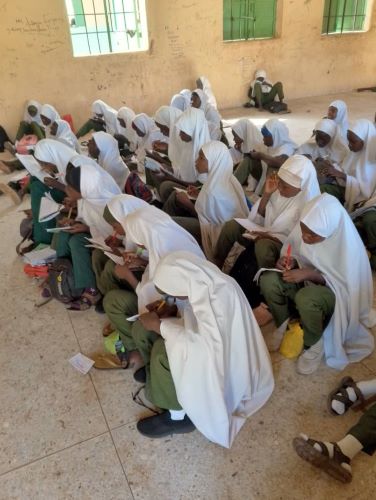
A Borno-based advocacy group has called for urgent educational and skills acquisition support for more than 500 teenagers whose parents or breadwinners are missing.
Mr Kassim Mohammed, President of the Initiative for the Well-being of Displaced and Missing Persons, said this in an interview with reporters on Monday in Maiduguri.
He said many affected children had dropped out of school following the disappearance of their parents and breadwinners, leaving them without adequate care, guidance, support, protection and opportunities for development.
According to him, the vulnerable children require urgent intervention to enable them to return to school, acquire relevant skills and improve their future prospects through sustainable empowerment programmes and support.
“Some of these children have nobody to guide or support them because their parents or breadwinners are missing,” Mohammed said.
He emphasised the urgent need for collective action and intervention.
“We are calling on the Borno Government, organisations, NGOs, associations and wealthy individuals to support these vulnerable children through education and skills acquisition.
“They need our support to regain a sense of belonging and have hope for the future,” he said, noting that assistance will help restore confidence and improve their well-being.
Mohammed said the organisation had continued seeking assistance from humanitarian agencies, development partners and other stakeholders to provide educational support, vocational training and protection for affected children.
He emphasised that education and skills acquisition would protect the teenagers from further vulnerability, reduce exposure to exploitation and enable them to become self-reliant and productive members of society.
Meanwhile, Mr Noel Adjoumani, Deputy Protection Coordinator of the International Committee of the Red Cross (ICRC) in Nigeria, said Borno currently had more than 11,000 missing persons.
Adjoumani described missing persons as one of the most profound humanitarian consequences of armed conflict, violence, disasters and migration, often leaving families searching endlessly for answers and closure.
He said such crises could separate families within minutes, leaving individuals unaccounted for and families in anguish and uncertainty over the fate of children, spouses, parents and relatives.
