


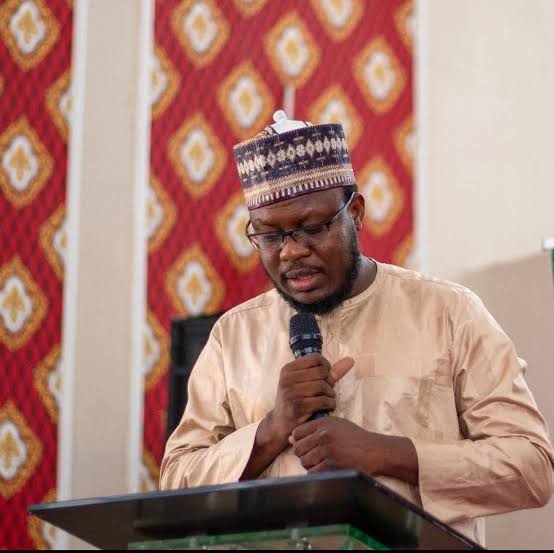
An energy expert, Mustapha Habu, has urged Nigeria to learn from India’s reforms in the power sector to achieve sustainable energy development.
Habu, CEO of ENGAUSA Global Tech Hub, made this call in an interview with reporters on Monday in Kano.
He noted that India’s experience highlights the importance of adopting policies that encourage private sector participation, promote renewable energy development, and improve access to reliable electricity.
According to him, Nigeria can learn from India’s transformation following the Liberalization, Privatization, and Globalization (LPG) reforms of 1991.
“India dismantled excessive government controls, opened its economy to private enterprise and foreign investment, encouraged competition, facilitated technology transfer, and integrated into the global economy.
“Nigeria must pursue reforms tailored to our realities,” he told reporters.
Habu emphasized the need for Nigeria to adopt a deliberate long-term strategy that positions solar energy as a driver of industrialization, local manufacturing, and innovation, rather than viewing it as a quick fix for electricity challenges.
He stated that renewable energy should be integrated into Nigeria’s broader development agenda.
“We must stop seeing solar energy only as a way to light homes. It should serve as the backbone of our industrial growth, manufacturing base, and innovation ecosystem,” he told reporters.
He called on policymakers, industry players, and academics to rethink Nigeria’s renewable energy strategy, stressing the importance of policy consistency, skills development, and stronger collaboration among government, academia, and industry.
The innovator pointed out that India’s success was fueled not only by reforms but also by sustained investments in education, engineering, research, and industrial capacity.
He argued that Nigeria should pursue reforms that encourage private sector participation, attract strategic investments, strengthen local manufacturing, and promote technology transfer.
“Every locally manufactured solar panel, inverter, battery, or charge controller creates jobs, conserves foreign exchange, enhances engineering capacity, stimulates innovation, and deepens supply chains,” he said.
Habu advocated for the adoption of a National Renewable Energy Industrialization Roadmap with clear short-, medium-, and long-term objectives.
He explained that short-term priorities should focus on expanding renewable energy access, strengthening local assembly, and developing technical skills.
Medium-term goals should emphasize increasing local manufacturing, research, and technology transfer, while the long-term objective is to position Nigeria as Africa’s leading hub for renewable energy manufacturing and clean technology exports.
“Together, we can build a Nigeria where renewable energy powers our homes, industries, and people, driving sustainable national prosperity,” Habu concluded.
