


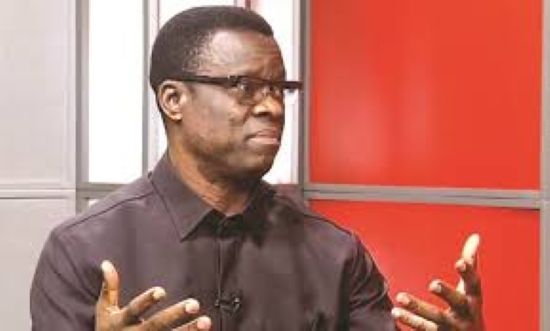
A former Resident Electoral Commissioner (REC) of the Independent National Electoral Commission (INEC), Mike Igini, has called on the election umpire to urgently dispel concerns over alleged partisanship, warning that lingering doubts could undermine public confidence ahead of future elections.
Igini described the controversy surrounding the electoral body as “regrettable and unfortunate,” stressing that perception plays a critical role in maintaining the credibility of any electoral management institution. He made the remarks during an appearance on a Channels Television programme.
The concerns stem from allegations linking INEC’s chairman to a partisan social media account that reportedly supported the All Progressives Congress (APC) during the 2023 general elections. The issue sparked widespread reactions online, with critics questioning the neutrality of the commission.
ALSO READ INEC’s farcical self-acquittal of Amupitan, By Farooq Kperogi
Although INEC dismissed the claims, attributing them to digital impersonation, and later cited findings from a forensic investigation that found no connection between the chairman and the account, the controversy has persisted, fueling public skepticism.
Igini emphasised that the commission must act decisively to address the situation, noting that both the actions and inactions of electoral officials must reflect the highest ethical standards. According to him, transparency and accountability are essential to sustaining public trust and ensuring that electoral rules are applied fairly and impartially.
He also criticised political parties for not fully supporting INEC’s reform efforts, warning that certain provisions in the Electoral Act 2026 could pose risks to the credibility of the 2027 general elections.
Beyond INEC, the former commissioner highlighted broader concerns about Nigeria’s democratic process, including the role of the judiciary and the need for a strong opposition. He cautioned that perceived institutional weaknesses or undue political influence could threaten the rule of law and democratic stability.
The controversy has continued to generate reactions from opposition groups and civil society organisations, some of which have called for further reforms and accountability measures within the electoral system.
