


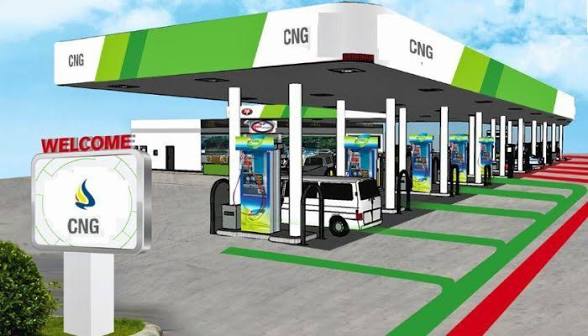
The Presidential Initiative on Compressed Natural Gas and Electric Vehicles (PICNG-EV) has intensified efforts to promote CNG as a cleaner, safer, and more affordable fuel for transportation.
Mr. Tosin Coker, COO of PICNG-EV, announced this during a media awareness and sensitization program for journalists in Port Harcourt on Friday.
He explained that the initiative aims to educate the public and the media on using natural gas in transportation and Nigeria’s push to adopt CNG nationwide.
Coker noted that petrol- and diesel-powered vehicles can be converted to run on CNG with conversion kits and storage tanks, enabling motorists to switch fuels easily.
He emphasized that using CNG after conversion is cost-effective, environmentally friendly, and good for engine health.
Coker distinguished between CNG and Liquefied Natural Gas (LNG), stating that LNG-powered vehicles are mostly factory-fitted and mainly used for heavy-duty transport like trucks and trains.
He explained that Nigeria’s natural gas reserves support CNG’s stability as a fuel source, less affected by global oil price fluctuations and geopolitical tensions.
While petrol and diesel prices have fluctuated recently, CNG prices have remained relatively stable.
Coker urged government agencies to convert their vehicle fleets to CNG or acquire CNG-powered vehicles to cut transportation costs.
He added that over 100,000 vehicles have already been converted across Nigeria, with awareness campaigns and infrastructure development expanding in Rivers State.
On safety, Coker said that although CNG is flammable under certain conditions, its high ignition temperature makes it safer than many assume.
He noted Rivers has seven to eight accredited CNG conversion centers certified by the National Automotive Design and Development Council, with plans to approve more.
Mr. Opeyemi Balogun of the Decade of Gas Initiative said the training aimed to improve media understanding of the oil and gas sector for more accurate reporting.
He mentioned that the Port Harcourt session was the third in a series that started in 2025, following similar programs in Lagos and Abuja.
Balogun emphasized the importance of knowledge-sharing among journalists in the Niger Delta and urged them to prioritize accuracy and avoid sensationalism in reporting.
He reaffirmed the initiative’s commitment to continuous engagement to promote responsible and informed journalism.
