


The World Health Organization (WHO) and Brazil have called on world leaders to finalize a crucial international agreement aimed at preventing future pandemics.
WHO and Brazil made this call in a joint letter issued on Monday.
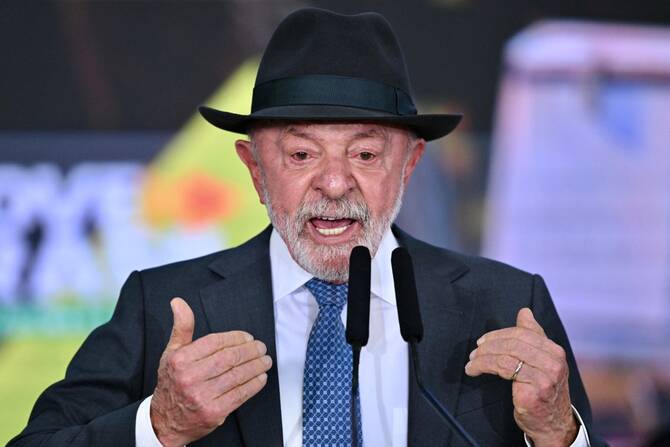
Penned by Brazilian President Luiz Inácio Lula da Silva and WHO Director-General Tedros Ghebreyesus, the message emphasized a shared global responsibility to protect humanity from repeating the devastation caused by the COVID-19 pandemic.
According to them, COVID-19 claimed up to 20 million lives and resulted in a loss of 13 trillion dollars in global economic output.
During the COVID-19 pandemic in 2020, hospitals were overwhelmed, families lost loved ones in isolation, and frontline healthcare workers endured unprecedented strain.
This collective trauma fostered a promise among nations: to never again face a pandemic unprepared, they wrote.
Over a year ago, countries made significant progress by adopting the WHO Pandemic Agreement, committing to cooperate more effectively in preventing, preparing for, and responding to pandemics.
“In a divided world, that outcome was not to be taken for granted,” the letter stated.
“It was an act of hope and faith in one another. We write to you now because that hope is not yet fulfilled and because it lies within your hands to help fulfill it.”
Standing in the way is the pathogen access and benefit-sharing (PABS) annex, a vital part of the agreement, which remains incomplete, President Lula and Ghebreyesus wrote.
This framework is essential for enabling countries to quickly identify and share genetic information about dangerous pathogens, allowing scientists to develop lifesaving tests, treatments, and vaccines.
Without the annex, the Pandemic Agreement cannot formally come into force, leaving the promise unfulfilled, the joint message stated.
The challenges in finalizing the PABS annex are complex, particularly regarding how benefits from shared pathogens are equitably distributed and how governance ensures fairness.
These unresolved issues contributed to gaps in protection during COVID-19.
Negotiators are scheduled to meet again from July 6 to 17 to address these gaps.
