


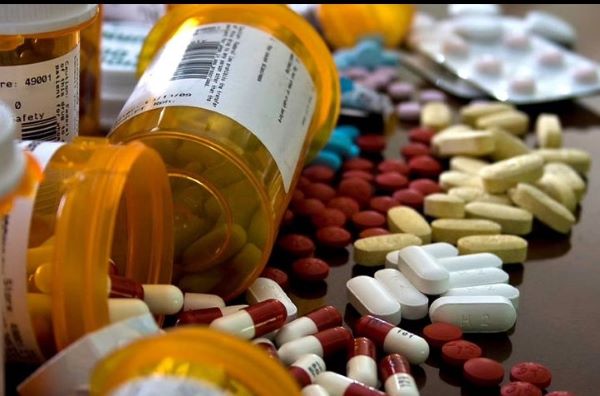
Two Ibadan-based physicians have cautioned against sharing prescribed medications—even among people with similar symptoms—as part of efforts to combat drug abuse.
Their warning, issued on Thursday in observance of World Drug Day, underscored the importance of proper medical supervision and collaboration among stakeholders.
Dr. Waheed Adedeji, Consultant Physician and Clinical Pharmacologist at University College Hospital (UCH), Ibadan, urged the public to seek professional medical advice rather than obtaining prescriptions from friends. He emphasized the importance of:
- Following prescription instructions precisely, including dosage schedules and not exceeding recommended doses.
- Consulting healthcare professionals before using over-the-counter products or combining medications with herbal supplements, especially for pregnant users and heavy school or work activities.
- Reading medication labels for possible side effects that might affect daily functions like driving or studying.
He warned that drug abuse—including misuse of prescription painkillers, sleeping pills, opioids, and substances like marijuana and cocaine—can cause widespread damage to nearly every organ system, impair mental health, and lead to complications like preterm birth, liver strain, and increased risk of suicide among adolescents.
Dr. Adedeji urged pharmaceutical companies and pharmacies to adhere to ethical standards by discouraging misleading marketing, ensuring accurate record-keeping, verifying prescriptions, and providing patient counseling on medication risks and proper use.
He also called on government agencies to strengthen regulations—such as Prescription Drug Monitoring Programmes (PDMPs)—to reduce over-prescription and ensure legal accountability.
He said, “Medications are effective when used correctly, but abuse leads to serious consequences. Combating drug abuse requires coordinated efforts from individuals, NGOs, healthcare professionals, pharmaceutical companies, and the government.”
Meanwhile, Dr. Francis Sanwo of Our Lady of Apostles Catholic Hospital emphasized that substance misuse—including both prescription and over-the-counter medications—is a growing concern.
Citing rising teen misuse of such drugs, he noted that cigarette smoking alone causes nearly half a million deaths annually and contributes to conditions like heart disease, lung cancer, and stroke.
He warned that untreated substance abuse can damage families and society through crime, risky behavior, and increased rates of teen pregnancy and HIV.
