


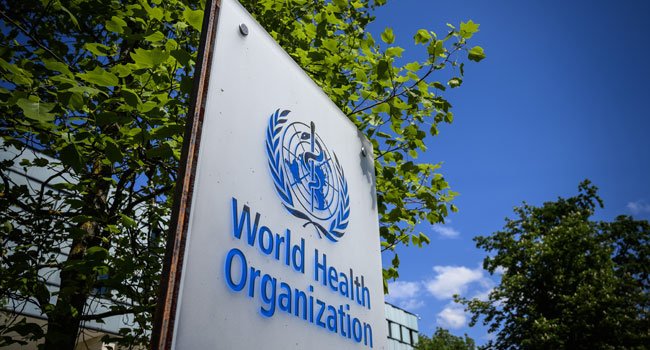
The World Health Organization (WHO) has launched a global movement bringing together more than 240 organisations to strengthen public trust in science and promote its use in health and development.
In a statement on Tuesday, WHO said the movement, called “Together for Science and Health,” was officially inaugurated on World Science Day for Peace and Development.
Twelve events were held across countries and regions to mark the launch and promote the initiative’s objectives.
WHO Director-General Dr Tedros Adhanom Ghebreyesus and French President Emmanuel Macron are leading the initiative, which aims to unite scientists, policymakers, leaders and institutions across sectors.
Ghebreyesus said science remained one of humanity’s most powerful tools for improving health. He noted that vaccines, medicines, disease prevention and outbreak response had contributed significantly to longer, healthier lives.
He said WHO and its partners would use the movement to promote evidence, public trust and innovation as essential foundations for healthier societies.
The initiative will focus on bringing science closer to society, strengthening evidence-based health policymaking and improving how scientific information is communicated and discussed, he said.
“Participating organisations will share effective approaches, resources and experiences while developing practical collaborations to strengthen public confidence and ensure scientific progress benefits everyone,” he said.
Ghebreyesus said scientific advances had played a critical role in detecting and preventing diseases, developing medicines, responding to outbreaks and improving healthcare delivery.
He said public confidence in scientific evidence was essential to translating research and discoveries into practical health interventions that benefit individuals, families and communities.
WHO Chief Scientist and Assistant Director-General for Health Systems, Access and Data, Dr Sylvie Briand, said no institution, country or community could build and sustain public trust alone.
Briand said the movement would provide a platform for dialogue and collaboration rather than polarisation, and encourage stakeholders to recognise science as a shared resource.
She said collective responsibility was necessary to build healthier, fairer and more resilient societies through scientific knowledge, cooperation and innovation.
Briand also highlighted the growing influence of technological advances and artificial intelligence on how people access, interpret and share scientific and health information.
“The movement will strengthen connections between science and society, enabling people to engage with scientific evidence and apply it confidently in making health-related decisions.
“Organisations and institutions worldwide will join the initiative, contribute their expertise and networks, and support efforts to ensure trusted science translates into better health outcomes for all,” she said.
