


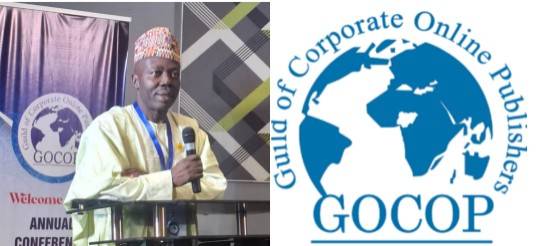
The President of the Guild of Corporate Online Publishers (GOCOP), Danlami Nmodu, has warned that the credibility of the media will be critical to the success of Nigeria’s 2027 general elections.
Nmodu said inaccurate, unverified and irresponsible reporting could undermine public confidence in the electoral process and worsen tensions before, during and after the elections.
He spoke at an interface with the Nigerian Union of Journalists (NUJ), online editors and publishers on professional and democratic accountability journalism ahead of the 2027 elections in Abuja.
The engagement was organised by the International Press Centre (IPC), with support from the European Union under its Support to Democratic Governance in Nigeria programme.
Nmodu urged journalists and online publishers to make fact-checking and verification central to their election coverage, particularly as political actors intensify campaigns and information flows increase across traditional and social media platforms.
He said the media must exercise greater caution in gathering, processing and disseminating information, stressing that journalists have a responsibility to prevent misinformation and disinformation from influencing voters or damaging the credibility of the electoral process.
The GOCOP president said professional and ethical journalism would be essential to strengthening public trust in the 2027 elections and Nigeria’s democratic institutions.
His warning comes amid growing public concerns about the credibility of the forthcoming elections. A recent Afrobarometer survey found that only 37 per cent of Nigerians expect the 2027 elections to be largely free and fair, while 48 per cent believe they will be neither free nor fair.
The survey also found that 89 per cent of respondents considered vote-buying likely, while 79 per cent expected political violence and valid votes not to be counted.
Nmodu therefore urged media practitioners to uphold accuracy and professional standards, saying credible journalism would help citizens make informed electoral choices and strengthen confidence in the democratic process.
