


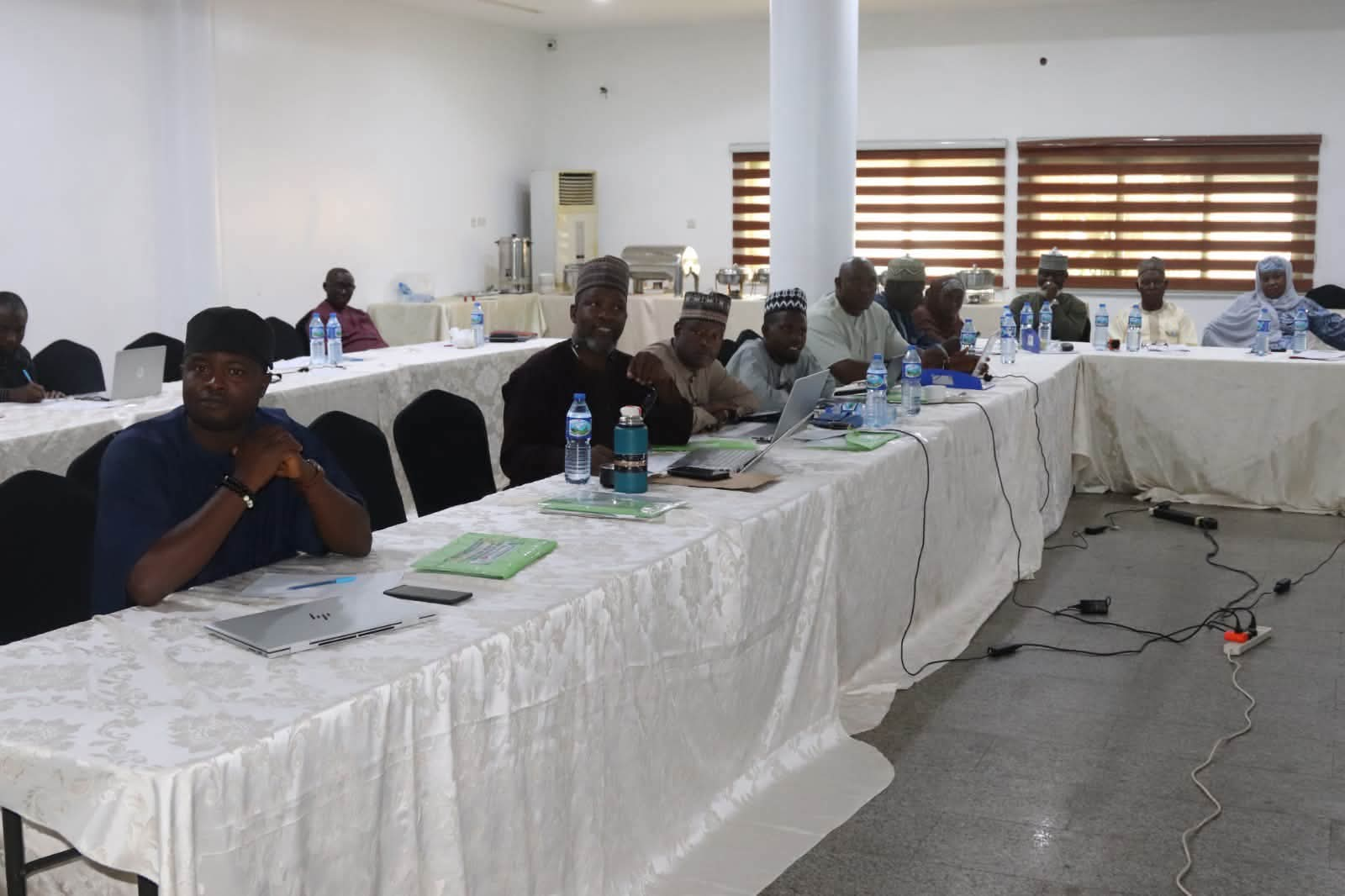
The Institute for Agricultural Research (IAR), Ahmadu Bello University (ABU), Zaria, and the National Biosafety Management Agency (NBMA) have trained key stakeholders on how to detect, assess and regulate the unintended presence of genetically modified (GM) crops in Nigeria.
The one-day workshop, held on Wednesday in Abuja, focused on the regulatory management of Low-Level Presence (LLP) of GM crops, including risk assessment, detection, decision-making and compliance.
The training, held at Denis Hotel, Aminu Kano Crescent, brought together experts from research institutions and academia, regulatory agencies, the Federal Ministry of Agriculture and Food Security, the grain and seed industry, and international development organisations.
LLP refers to the unintended occurrence of small quantities of a GM crop or its products that may not be approved in the receiving country, although they have been authorised in the country of origin.
Speaking at the workshop, the Executive Director of IAR and chairman of the occasion, Prof. Ado A. Yusuf, represented by the Assistant Director, Research, Prof. L. J. Bamaiyi, said agricultural research remained critical to addressing food insecurity, climate change and other challenges facing the country.
He highlighted IAR’s contribution to agricultural research and development, including the development of farmer-friendly biotechnology-based cowpea and maize varieties designed to improve productivity and resilience to climate-related challenges.
Yusuf urged participants to maximise the training and called for increased investment in agricultural research to develop practical solutions to the country’s food and agricultural challenges.
He also reaffirmed IAR’s capacity to contribute to national agricultural development, citing its more than a century of experience in research and training.
The Director-General of NBMA, Dr. Fatima Suleiman Zuntu, represented by the Acting Director, Biosafety Enforcement and Operations, Hauwa Tahir Ahmed, stressed the need for stronger collaboration among research institutions, regulators and development partners in tackling emerging biosafety challenges.
She said knowledge sharing and collective experience were essential to developing practical approaches to biosafety management.
Presenting the objectives of the workshop and an overview of TELA Maize Nigeria, the Principal Researcher, Biotechnology Maize Seed Systems, Prof. Rabiu Adamu, said the training was designed to strengthen participants’ capacity to detect LLP, conduct risk assessments and make evidence-based regulatory decisions.
Participants were trained on sampling, detection, quantification and response procedures for managing unintended occurrences of GM crops, particularly in seed and grain trade.
International experts from the African Agricultural Technology Foundation (AATF), Nairobi, Kenya, also contributed to the workshop.
Dr. Abed Mathagu delivered technical sessions on LLP detection and quantification, safety assessment, regulatory decision-making, compliance and stakeholder responsibilities, while Dr. Roy Mughira, Senior Manager at AATF and former Director-General of Kenya’s National Biotechnology Authority, presented an overview of LLP.
Other sessions examined the development of a national LLP response framework, Nigeria’s experience in biosafety risk assessment and regulatory decision-making, and the role of the National Agricultural Seeds Council (NASC) in regulating the import and export of different categories of seeds.
Participants also discussed the future of GM seeds in Nigeria, maintaining seed and grain purity, and ensuring responsible management of agricultural biotechnology products.
They stressed that effective regulatory systems were necessary to protect human and animal health, the environment and Nigeria’s international agricultural trade.
Among those who attended were the TELA Maize Nigeria Project Manager, Dr. Yarama Ndirpaya; Director, Agricultural Biotechnology Department, National Biotechnology Research and Development Agency (NBRDA), Dr. Rose Maxwell Gidado; and Director, Seed Services, NASC, Abdul Danlami.
