

• Home
  • Agric
  • Sci & Tech
  • Health
  • Environment
  • Hausa News
  • More
    • Business/Banking & Finance
    • POLITICS
    • Entertainments & Sports
    • International
    • Investigation
    • Law & Human Rights
    • Africa
    • ACCOUNTABILITY/CORRUPTION
    • Hassan Gimba
    • Column
    • Prof. Jibrin Ibrahim
    • Prof. M.K. Othman
    • Defense/Security
    • Education
    • Energy/Electricity
    • Entertainment/Arts & Sports
    • Society and Lifestyle
    • Food & Agriculture
    • Health & Healthy Living
    • International News
    • Interviews
    • Investigation/Fact-Check
    • LAW & HUMAN RIGHTS
    • Oil & Gas/Mineral Resources
    • PRESS FREEDOM/JOURNALISM/PR
    • General News
    • Presidency
  • About Us
    • Contact Us
    • Board Of Advisory
    • Privacy Policy
    • Ethics Policy
    • Teamwork And Collaboration Policy
    • Fact-Checking Policy
    • Advertising
  • Media OutReach Newswire
    • Wire News
  • The Stories
Facebook Twitter Instagram
Trending
  • Finance ministry: No new telecom or petrol taxes planned after IMF report
  • Over 400 students receive scholarships from Sani Bello Foundation
  • Yemen hunger crisis worsens rapidly
  • Nigeria commits to sustaining mangroves, boosting blue economy
  • Interior design summit calls for collaboration, tech adoption in Nigeria
  • NDDC intensifies fight against drug abuse, cultism in Niger Delta
  • Court dismisses Nneji’s application to set aside arrest warrant
  • Nigeria’s foreign reserves rise by over $1bn in 2 weeks, hit 17-year high
Facebook Twitter Instagram YouTube
AsheNewsAsheNews
  • Home
  • Agric

    Dangote expects over $4bn annual forex earnings from fertiliser exports

    June 16, 2026

    AFAN Kano calls for fertilizer subsidy to boost agriculture

    June 16, 2026

    Food security expert urges youth involvement in agriculture

    June 16, 2026

    Jigawa farmers hope for bumper harvest

    June 15, 2026

    Association raises alarm over job losses, rising costs in food sector

    June 15, 2026
  • Sci & Tech

    Ericsson reports rapid growth in global 5G subscriptions

    June 16, 2026

    Musk predicts SpaceX could generate $1trn revenue by 2030

    June 15, 2026

    NCDMB trains 160 youths in AI, data analytics

    June 12, 2026

    Stakeholders urge Nigeria to boost local food ingredient production

    June 10, 2026

    Perplexity AI locks in 2028 IPO date, won’t wait for Anthropic or OpenAI to market

    June 9, 2026
  • Health

    Bauchi gov commends F4H for saving lives

    June 17, 2026

    Niger records fresh polio, diphtheria cases

    June 16, 2026

    Anambra reaffirms commitment to telemedicine expansion

    June 16, 2026

    KSCHMA urges traditional leaders to boost healthcare utilization

    June 16, 2026

    NGO launches pilot program to tackle drug abuse in Kano

    June 16, 2026
  • Environment

    GlobalFact summit brings 500 fact-checkers from 80 countries to Lithuania

    June 17, 2026

    All injured passengers discharged after train accident

    June 16, 2026

    SWEEP calls for waste management reforms in Lagos

    June 16, 2026

    Chairman pledges continued crackdowns on criminal hideouts

    June 16, 2026

    ACR calls for national honor for plastic bottle house pioneer

    June 15, 2026
  • Hausa News

    UNA signs MoU to launch air Bissau in Guinea-Bissau

    June 15, 2026

    Otti plans 250-room 5-star hotel in Umuahia

    April 11, 2026

    Anti-quackery task force seals 4 fake hospitals in Rivers

    August 29, 2025

    [BIDIYO] Yadda na lashe gasa ta duniya a fannin Ingilishi – Rukayya ‘yar shekara 17

    August 6, 2025

    A Saka Baki, A Sasanta Saɓani Tsakanin ‘Yanjarida Da Liman, Daga Muhammad Sajo

    May 21, 2025
  • More
    1. Business/Banking & Finance
    2. POLITICS
    3. Entertainments & Sports
    4. International
    5. Investigation
    6. Law & Human Rights
    7. Africa
    8. ACCOUNTABILITY/CORRUPTION
    9. Hassan Gimba
    10. Column
    11. Prof. Jibrin Ibrahim
    12. Prof. M.K. Othman
    13. Defense/Security
    14. Education
    15. Energy/Electricity
    16. Entertainment/Arts & Sports
    17. Society and Lifestyle
    18. Food & Agriculture
    19. Health & Healthy Living
    20. International News
    21. Interviews
    22. Investigation/Fact-Check
    23. LAW & HUMAN RIGHTS
    24. Oil & Gas/Mineral Resources
    25. PRESS FREEDOM/JOURNALISM/PR
    26. General News
    27. Presidency
    Featured
    Recent

    Finance ministry: No new telecom or petrol taxes planned after IMF report

    June 17, 2026

    Over 400 students receive scholarships from Sani Bello Foundation

    June 17, 2026

    Yemen hunger crisis worsens rapidly

    June 17, 2026
  • About Us
    1. Contact Us
    2. Board Of Advisory
    3. Privacy Policy
    4. Ethics Policy
    5. Teamwork And Collaboration Policy
    6. Fact-Checking Policy
    7. Advertising
    Featured
    Recent

    Finance ministry: No new telecom or petrol taxes planned after IMF report

    June 17, 2026

    Over 400 students receive scholarships from Sani Bello Foundation

    June 17, 2026

    Yemen hunger crisis worsens rapidly

    June 17, 2026
  • Media OutReach Newswire
    • Wire News
  • The Stories
AsheNewsAsheNews
Home»Health & Healthy Living»Prioritizing Family Planning: How 1% of Nigeria’s health budget could transform women’s health in rural areas
Health & Healthy Living

Prioritizing Family Planning: How 1% of Nigeria’s health budget could transform women’s health in rural areas

EditorBy EditorDecember 10, 2024No Comments4 Mins Read
Family Planning
8th Nigeria Family Planning Conference
Share
Facebook Twitter LinkedIn Pinterest Email

Nigeria’s budget has been heavily skewed toward recurrent expenditures in recent years, leaving critical sectors like health underfunded. For instance, the 2023 health budget was ₦1.17 trillion which is about 5.75 per cent of the total budget. The 2023 health budget included N1.07 trillion for the Federal Ministry of Health and its agencies, N137.21 billion for GAVI/Immunization funds and N125.74 billion for the Basic Healthcare Provision Fund.

By Justina Asishana

For 2024, the health budget is N1.23 trillion, which is less than 5 per cent of the proposed N27.5 trillion total government expenditure. The budget includes N125.7 billion for the Healthcare Provision Fund and also funds for the National Health Insurance Scheme (NHIS) for military retirees and corps members.

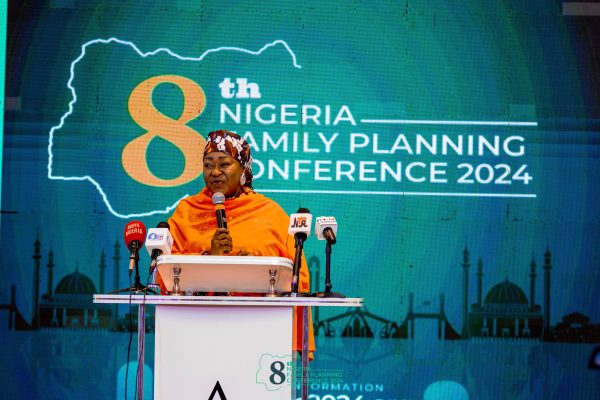
At the 8th Nigeria Family Planning Conference held in Abuja from 4-6 December 2024, the Federal Government disclosed that it has dedicated 1 per cent of the health budget to family planning. This move was applauded by all stakeholders and participants who attended the conference.

Read Also: Microsoft’s copilot AI enhances journalist productivity in Nigeria

Dedicating 1% of Nigeria’s total health budget to family planning would have a significant impact on the lives of women and girls, particularly in rural areas. This investment would translate to increased access to contraceptives, improved maternal and child health, and empowered women with greater control over their reproductive health.

Here’s a breakdown of the potential benefits:

  • Improved Access to Contraceptives: Only 17 per cent of married women in Nigeria use modern contraceptives (NDHS 2018). This is lower in rural areas where access to health services is constrained by poor infrastructure and cultural norms. Increased funding could lead to better availability of affordable contraceptives in primary health centres, helping women plan their pregnancies and avoid unintended ones. For example, a woman in a hard-to-reach community in Kebbi State could access free or subsidized contraceptives without travelling long distances, reducing her financial burden.
  • Reduced Maternal Mortality: Unintended pregnancies and closely spaced births are major risk factors for maternal mortality. Many of these deaths are due to complications from unintended pregnancies and unsafe abortions. Increased access to contraceptives would allow women to plan their pregnancies, leading to healthier outcomes for both mothers and babies.
  • Improved Child Health: Family planning enables women to space their pregnancies, allowing them to provide better care and nutrition to each child. This leads to improved child health outcomes, including reduced infant and child mortality rates.
  • Empowered Women: Early and unintended pregnancies often disrupt education for girls, especially in rural areas where opportunities are already limited. Access to family planning gives women control over their reproductive health, allowing them to make informed choices about their bodies and futures. This empowerment can lead to increased educational attainment, economic participation, and overall well-being for women and girls. For example, a teenage girl who receives access to reproductive health education and services could avoid early pregnancy, graduate from school, and gain employment.
  • Reduced Poverty: Large family sizes strain household resources, keeping many impoverished families. Empowering families to space or limit births can improve household economic stability and reduce poverty, especially in rural communities dependent on subsistence farming.
Challenges to address
  1. Cultural and Religious Barriers: Resistance to family planning is prevalent in rural areas. Advocacy and community engagement are necessary to change perceptions.
  2. Health Infrastructure: Additional funding must also address gaps in healthcare delivery to ensure services reach the underserved.

Specifically in rural areas, where access to healthcare services is often limited, this investment would have a particularly significant impact. Mobile health clinics and community-based programs could be established to provide family planning services and education to women in remote areas. This would ensure that women in all parts of Nigeria have access to the information and resources they need to make informed choices about their reproductive health.

Dedicating 1% of Nigeria’s health budget to family planning would be a wise investment with far-reaching benefits for women, girls, and the nation. It would transform the lives of millions of women and girls by reducing maternal deaths, increasing educational attainment, and improving economic outcomes. For rural areas, it represents a critical investment in breaking cycles of poverty and fostering gender equity. With strategic implementation, the impact would ripple across families, communities, and the entire nation.

Budget Family planning girls Nigeria Family Planning Conference women
Share. Facebook Twitter Pinterest LinkedIn WhatsApp Reddit Tumblr Email
Editor
  • Website

Related Posts

Bauchi gov commends F4H for saving lives

June 17, 2026

Niger records fresh polio, diphtheria cases

June 16, 2026

Anambra reaffirms commitment to telemedicine expansion

June 16, 2026

Leave A Reply Cancel Reply

Finance ministry: No new telecom or petrol taxes planned after IMF report

June 17, 2026

Over 400 students receive scholarships from Sani Bello Foundation

June 17, 2026

Yemen hunger crisis worsens rapidly

June 17, 2026

Nigeria commits to sustaining mangroves, boosting blue economy

June 17, 2026
About Us
About Us

ASHENEWS (AsheNewsDaily.com), published by PenPlus Online Media Publishers, is an independent online newspaper. We report development news, especially on Agriculture, Science, Health and Environment as they affect the under-reported rural and urban poor.

We also conduct investigations, especially in the areas of ASHE, as well as other general interests, including corruption, human rights, illicit financial flows, and politics.

Contact Info:
  • 1st floor, Dogon Daji House, No. 5, Maiduguri Road, Sokoto
  • +234(0)7031140009
  • ashenewsdaily@gmail.com
Facebook Twitter Instagram Pinterest
© 2026 All Rights Reserved. ASHENEWS Daily Designed & Managed By DeedsTech

Type above and press Enter to search. Press Esc to cancel.