


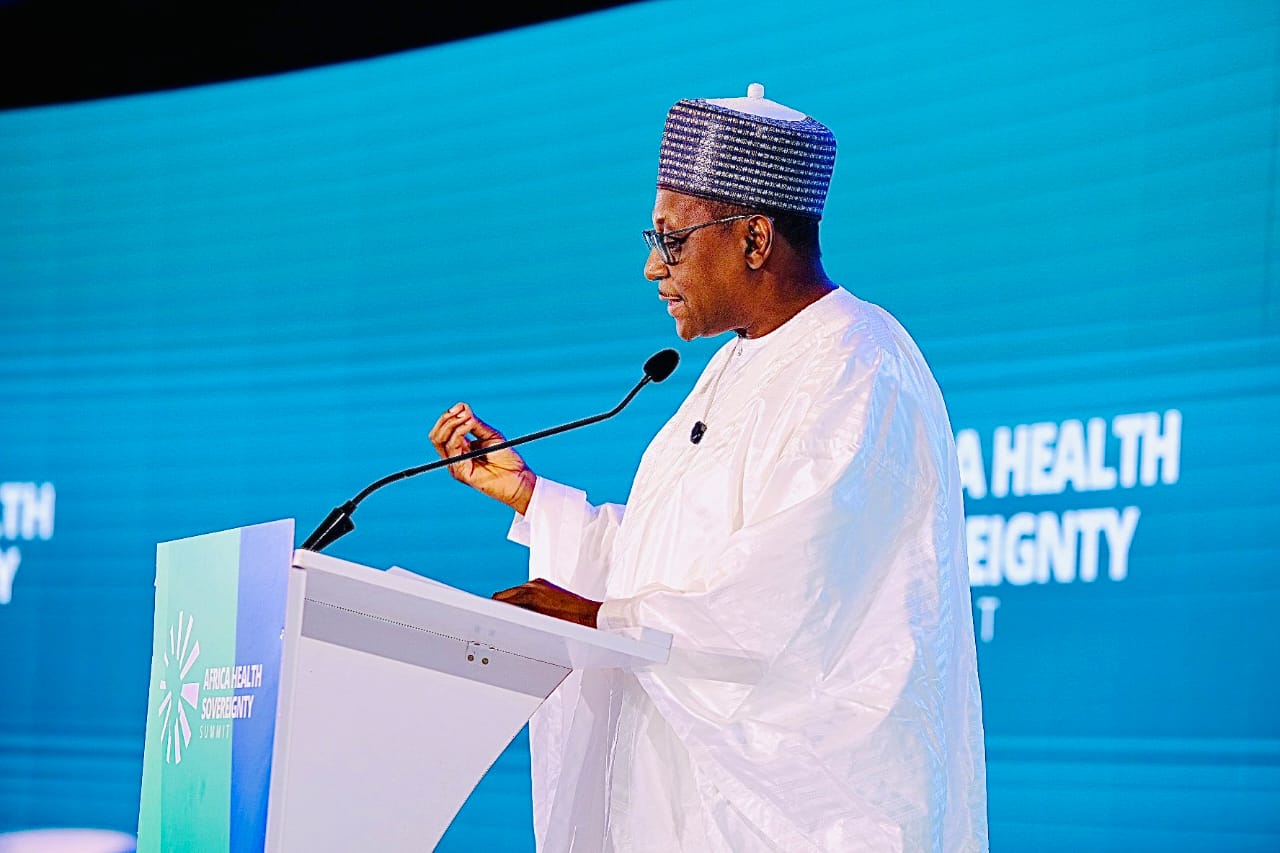
The Coordinating Minister of Health and Social Welfare, Prof. Muhammad Pate, announced that over 60,000 Nigerian women have received free Caesarean sections and other emergency obstetric services in the past two years.
Pate made this statement on Monday in Abuja at the national launch of incentives under the Maternal and Newborn Mortality Reduction Initiative (MAMII).
He explained that the initiative is part of the Federal Government’s efforts to reduce maternal and newborn deaths.
“MAMII is designed to target maternal and newborn mortality in high-burden areas by improving access to quality services, strengthening health facilities, and removing financial and other barriers preventing women from using available services,” he said.
He emphasized that the initiative was born out of the need for a unified national response to maternal mortality.
“Pregnancy is not a disease, and no woman should lose her life while giving birth,” Pate added.
The minister noted that MAMII connects healthcare supply-side interventions—such as availability of skilled personnel, medicines, equipment, and functional facilities—with demand-side efforts to make services affordable and encourage women to utilize them.
In 2023, President Bola Tinubu launched the Nigeria Health Sector Renewal Investment Initiative, urging stakeholders to work together to improve health outcomes, with maternal mortality identified as a key challenge.
Pate highlighted significant progress, noting that more than 60,000 women have received free Caesarean sections and emergency obstetric services through the National Health Insurance Authority (NHIA).
Over 120,000 frontline health workers have been retrained via the National Primary Health Care Development Agency (NPHCDA), and nearly 4,000 primary healthcare facilities have been revitalized or are undergoing renovation.
Hundreds of facilities have been equipped, and thousands of medical commodities supplied.
Additionally, over 6,000 women have been treated for obstetric fistula under the emergency program, with many empowered to rebuild their lives after treatment.
“These results are encouraging, but we must accelerate and communicate them more effectively,” Pate said.
He explained that the incentives being launched aim to motivate pregnant women to seek antenatal care and deliver with skilled birth attendants.
He stressed the importance of maternal nutrition, advocating for micronutrient supplementation and supporting broader food and nutrition programs led by the First Lady, Sen. Oluremi Tinubu.
“Improving maternal nutrition is vital for Nigeria’s development,” he stated.
Pate urged state governments and health commissioners to take ownership of these efforts and expand them within communities, emphasizing that sustained progress depends on their commitment.
He highlighted that resources from recent macro-fiscal reforms could be directed into health programs, especially maternal and newborn care, to complement federal investments.
The minister acknowledged the contributions of governors, health officials, development partners, and agencies like WHO, UNICEF, and UNFPA, for their support in improving maternal health.
He also praised the leadership of President Tinubu and the First Lady, noting that in October 2023, the First Lady launched the HPV vaccination campaign, with over 94% of eligible adolescents vaccinated—an important step in reducing cervical cancer.
Furthermore, he appreciated her support for frontline health workers through providing uniforms and community programs.
He called for better communication of health sector progress to ensure Nigerians benefit from available services.
Pate concluded by stressing the importance of collaboration among agencies responsible for health financing, primary care, commodities, regulation, and emergency services to ensure integrated interventions.
He urged all levels of government to maintain momentum, emphasizing that the goal is for women to access quality maternal care regardless of location or financial means, and for newborns to receive the care they need to survive and thrive.
He urged stakeholders to intensify efforts, raise awareness, and work together to reduce preventable maternal and newborn deaths across Nigeria.
