


The Federal Government has confirmed the evacuation to Switzerland of Nigeria’s first imported case of Bundibugyo Ebola virus disease (EVD), following significant clinical improvement.
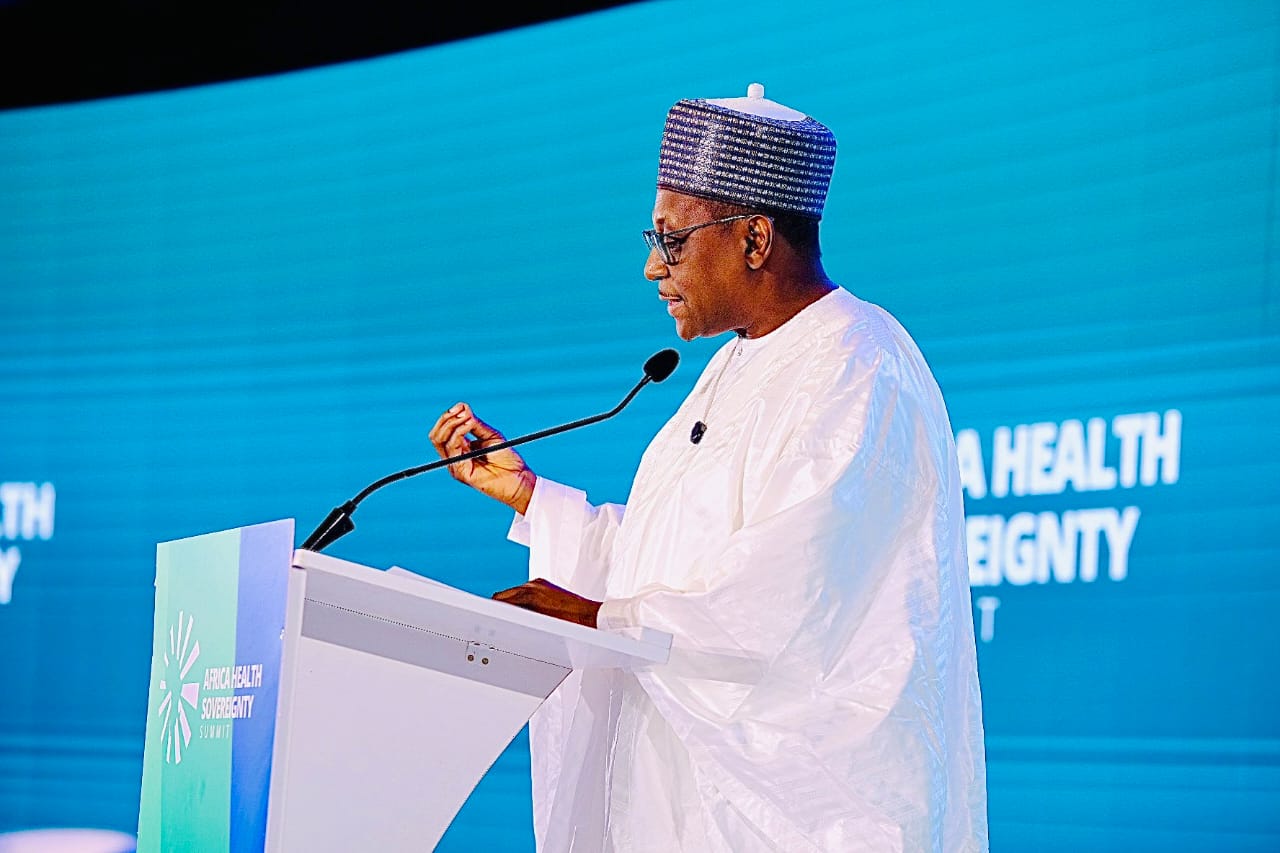
The Coordinating Minister of Health and Social Welfare, Prof. Muhammad Pate, announced this on Monday in a post on his official X account.
Pate said he approved the evacuation, which took place early Monday. The patient was accompanied by her spouse, who remained asymptomatic.
He said the patient was stable, conscious and communicating, and that her laboratory test results were approaching baseline levels.
“The index patient was clinically much improved, stable, conscious and communicating, with her clinical laboratory test results approaching baseline levels.
“This does not mean she is no longer infectious, hence the strict protocols in place,” he said.
Pate commended the clinical staff for providing quality care and public health personnel for ensuring the evacuation complied with appropriate public health measures.
He said the government would provide further updates after the patient and her spouse arrived safely at their destination.
The minister added that public health measures remained in place to contain the virus. He urged Nigerians to remain vigilant and rely on credible information sources.
Nigeria confirmed its first imported case of Bundibugyo EVD on October 20, following laboratory confirmation of the infection in a woman who had recently travelled from Uganda.
According to the World Health Organization (WHO), the patient developed symptoms on October 7, four days after arriving in Nigeria, and sought medical care in Abuja on October 11.
The Nigeria Centre for Disease Control and Prevention (NCDC) activated its incident management system, while health authorities began contact tracing, laboratory investigations and infection prevention measures.
The NCDC’s October 24 situation report identified 53 contacts linked to the case, including healthcare workers, domestic staff and the patient’s spouse. None had tested positive at the time of the report.
On October 23, Pate said genomic analysis showed that the virus isolated from the Nigerian patient appeared closely related to the virus identified in the index case in Kenya. However, he cautioned that this genetic relationship did not establish a direct transmission link between the two cases.
The Federal Government has also stepped up surveillance at points of entry, strengthened infection prevention and control in health facilities, and urged healthcare workers to promptly report suspected cases.
Bundibugyo virus disease is caused by a species of Ebola virus. It spreads through direct contact with the blood or body fluids of an infected person, or with contaminated materials.
The government has urged Nigerians to follow basic preventive measures, cooperate with public health officials and avoid spreading unverified information about the disease.
