

• Home
  • Agric
  • Sci & Tech
  • Health
  • Environment
  • Hausa News
  • More
    • Business/Banking & Finance
    • Politics/Elections
    • Entertainments & Sports
    • International
    • Investigation
    • Law & Human Rights
    • Africa
    • ACCOUNTABILITY/CORRUPTION
    • Hassan Gimba
    • Column
    • Prof. Jibrin Ibrahim
    • Prof. M.K. Othman
    • Defense/Security
    • Education
    • Energy/Electricity
    • Entertainment/Arts & Sports
    • Society and Lifestyle
    • Food & Agriculture
    • Health & Healthy Living
    • International News
    • Interviews
    • Investigation/Fact-Check
    • Judiciary/Legislature/Law & Human Rights
    • Oil & Gas/Mineral Resources
    • Press Freedom/Media/PR/Journalism
    • General News
    • Presidency
  • About Us
    • Contact Us
    • Board Of Advisory
    • Privacy Policy
    • Ethics Policy
    • Teamwork And Collaboration Policy
    • Fact-Checking Policy
    • Advertising
  • Media OutReach Newswire
    • Wire News
  • The Stories
Facebook Twitter Instagram
Trending
  • Korean, UNICEF seek to close zero-dose immunisation gap in Niger
  • NITDA, CAC strengthen cybersecurity measures
  • Naira ends week slightly lower
  • YABATECH boosts skills in stop-motion animation
  • Abia gov mourns US-based doctor’s death
  • NGX urges collaboration for digital asset growth
  • New science labs donated to Oshodi school
  • Nigerian freelancers face rising financial pressure
Facebook Twitter Instagram YouTube
AsheNewsAsheNews
  • Home
  • Agric

    Association urges members to boost catfish value

    April 17, 2026

    WFP spends $5M on shock response in Nigeria

    April 17, 2026

    Stakeholders push investment in Nigeria’s agribusiness

    April 16, 2026

    Nigeria faces 1m tonne palm oil deficit

    April 16, 2026

    WFP spends $5m on social protection in Nigeria

    April 16, 2026
  • Sci & Tech

    NITDA, CAC strengthen cybersecurity measures

    April 18, 2026

    New science labs donated to Oshodi school

    April 18, 2026

    Nigerian freelancers face rising financial pressure

    April 17, 2026

    NDPC probes alleged CAC data breach

    April 17, 2026

    Airtel temporarily suspends credit services

    April 17, 2026
  • Health

    Korean, UNICEF seek to close zero-dose immunisation gap in Niger

    April 18, 2026

    Abia gov mourns US-based doctor’s death

    April 18, 2026

    Family planning lowers maternal mortality by 30%

    April 17, 2026

    PCN seals 598 drug outlets in Kaduna

    April 17, 2026

    Foundation deploys health officers in Abia

    April 17, 2026
  • Environment

    NSIB introduces new conditions of service

    April 17, 2026

    LAWMA cracks down on environmental violations in Alimosho

    April 17, 2026

    FG hands over 132 housing units to Kwara

    April 17, 2026

    SON hosts workshop on motor energy standards

    April 16, 2026

    Nigeria pushes for better water, sanitation

    April 15, 2026
  • Hausa News

    Otti plans 250-room 5-star hotel in Umuahia

    April 11, 2026

    Anti-quackery task force seals 4 fake hospitals in Rivers

    August 29, 2025

    [BIDIYO] Yadda na lashe gasa ta duniya a fannin Ingilishi – Rukayya ‘yar shekara 17

    August 6, 2025

    A Saka Baki, A Sasanta Saɓani Tsakanin ‘Yanjarida Da Liman, Daga Muhammad Sajo

    May 21, 2025

    Dan majalisa ya raba kayan miliyoyi a Funtuwa da Dandume

    March 18, 2025
  • More
    1. Business/Banking & Finance
    2. Politics/Elections
    3. Entertainments & Sports
    4. International
    5. Investigation
    6. Law & Human Rights
    7. Africa
    8. ACCOUNTABILITY/CORRUPTION
    9. Hassan Gimba
    10. Column
    11. Prof. Jibrin Ibrahim
    12. Prof. M.K. Othman
    13. Defense/Security
    14. Education
    15. Energy/Electricity
    16. Entertainment/Arts & Sports
    17. Society and Lifestyle
    18. Food & Agriculture
    19. Health & Healthy Living
    20. International News
    21. Interviews
    22. Investigation/Fact-Check
    23. Judiciary/Legislature/Law & Human Rights
    24. Oil & Gas/Mineral Resources
    25. Press Freedom/Media/PR/Journalism
    26. General News
    27. Presidency
    Featured
    Recent

    Korean, UNICEF seek to close zero-dose immunisation gap in Niger

    April 18, 2026

    NITDA, CAC strengthen cybersecurity measures

    April 18, 2026

    Naira ends week slightly lower

    April 18, 2026
  • About Us
    1. Contact Us
    2. Board Of Advisory
    3. Privacy Policy
    4. Ethics Policy
    5. Teamwork And Collaboration Policy
    6. Fact-Checking Policy
    7. Advertising
    Featured
    Recent

    Korean, UNICEF seek to close zero-dose immunisation gap in Niger

    April 18, 2026

    NITDA, CAC strengthen cybersecurity measures

    April 18, 2026

    Naira ends week slightly lower

    April 18, 2026
  • Media OutReach Newswire
    • Wire News
  • The Stories
AsheNewsAsheNews
Home»Health & Healthy Living»How Sokoto Women Struggle with Hygiene in IDPs Camps Due to Poor Waste Disposal
Health & Healthy Living

How Sokoto Women Struggle with Hygiene in IDPs Camps Due to Poor Waste Disposal

EditorBy EditorAugust 10, 2024Updated:August 10, 2024No Comments5 Mins Read
One of the IDP, Sahuratu Umar
Share
Facebook Twitter LinkedIn Pinterest Email

With 94,729 Internally Displaced Persons (IDPs), Sokoto accounts for 9% of the total number of IDPs in Nigeria, according to the Displacement Tracking Matrix (DTM) IDPs Atlas. These individuals, hailing from various parts of the state, have been forced to flee their homes due to conflict, insecurity, and hardship.

By Shafa’atu Suleiman

As the camps struggle to cope with the sheer scale of the crisis, concerns are mounting over the provision of basic necessities like food, water, shelter, environmental hygiene, and healthcare.

Women, who form a larger percentage of this population, complain bitterly about the state of environmental hygiene in the IDP camps, particularly the lack of proper waste disposal facilities.
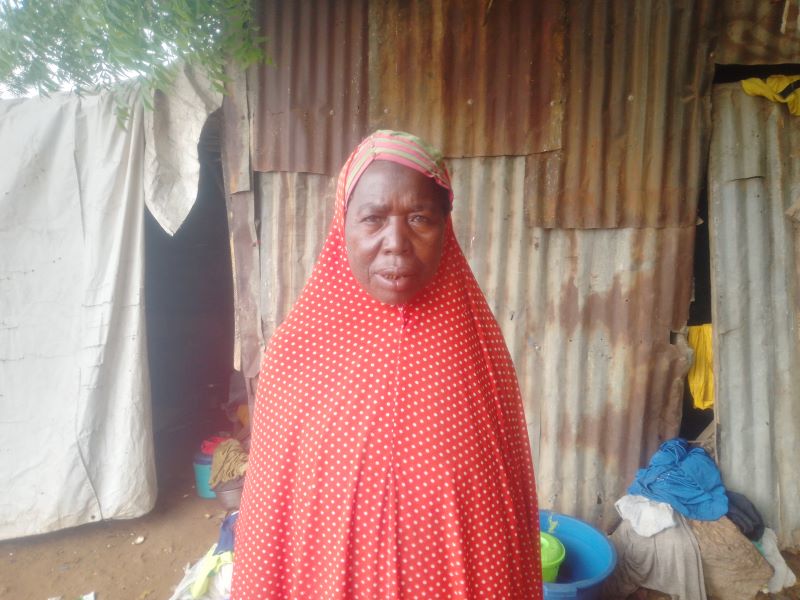
Hauwa

Pregnant Sahuratu Umar, for instance, woke up with a severe fever and had to seek medical assistance at a nearby primary healthcare center. She was diagnosed with malaria, which she contracted from mosquito bites due to the poor environmental conditions in the camp. The doctor advised her to sleep under a mosquito net to prevent further occurrences of the fever.

While Sahuratu struggles for her own life and that of her unborn child, young Halima is suffering from dehydration caused by incessant vomiting and diarrhea, which kept her awake all night. “I attribute her sickness to the kind of food we eat here and the poor sanitary conditions of the camp. As you can see, the place is littered all over, with flies and rodents everywhere,” said Halima’s mother, Hauwa Salihu.
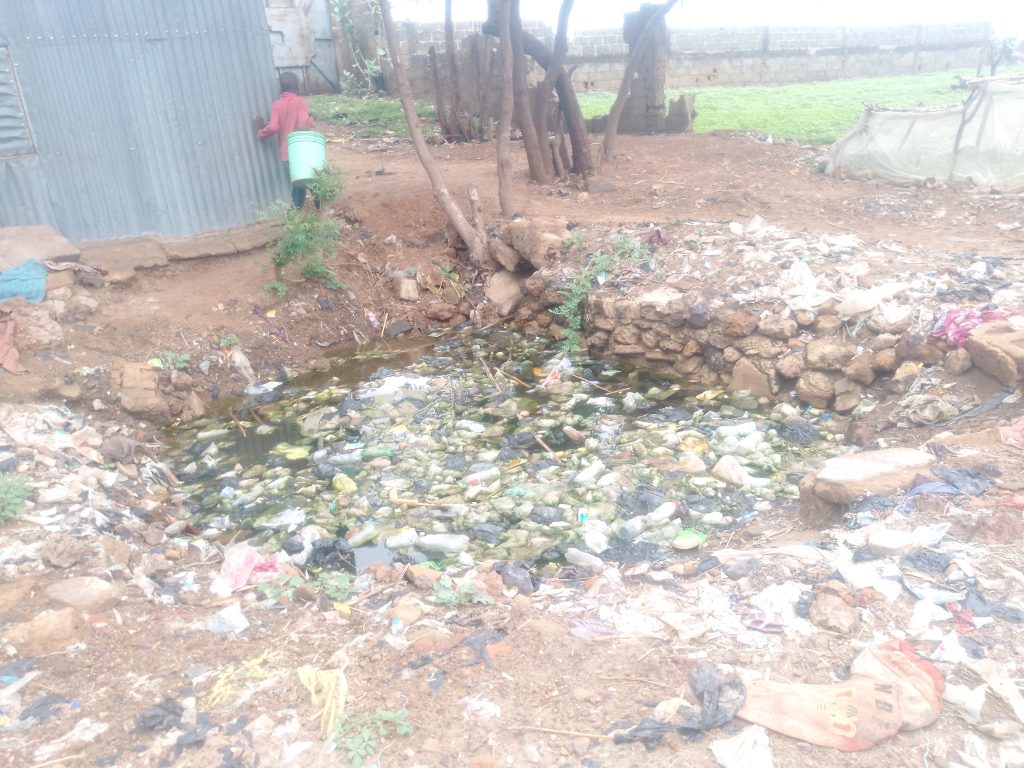
Ramin Kura IDPs camp

Ramin Kura IDPs camp in Kasuwar of Sokoto hosts more than 2,000 people, including men, women, and children. The poor waste disposal system poses a serious environmental and health threat to the refugees. Women and children are the most affected, as they have more specific needs compared to men.

“For instance, our girls find it difficult to dispose of their used pads during their menstrual periods. If you look around, you will see those pads thrown around because there is no proper way to dispose of them,” Amina Hassan, a mother, told ASHENEWS.

Amina’s claim is evident when observing the camp’s deteriorating condition during this reporter’s visit. A large heap of dirt forms a mountain on one side of the camp, while a pool of stagnant water filled with refuse sits on the other side.
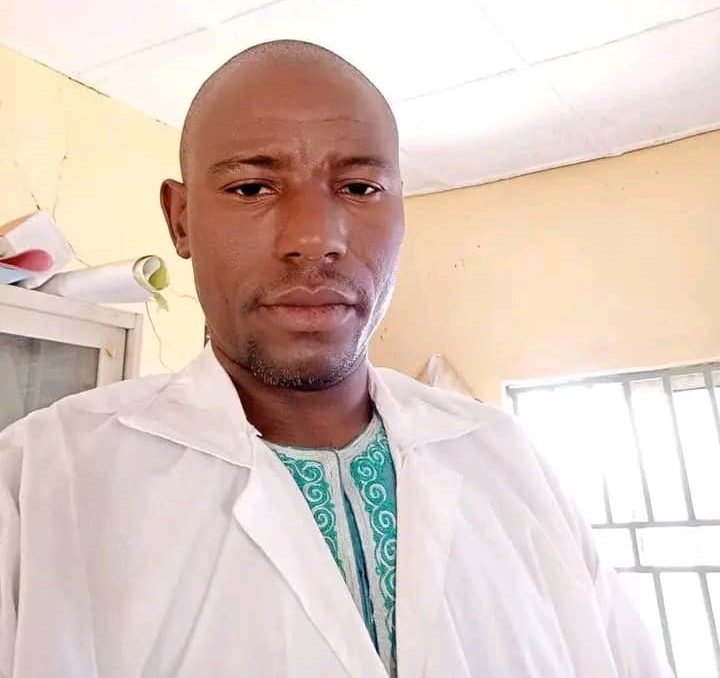
Health worker, Mu’awiya

Speaking with ASHENEWS, Mu’awiya Tukur, a public health practitioner, emphasized that improper waste disposal poses a significant threat to public health. He warned that the consequences of poor waste management are far-reaching, leading to waterborne diseases like cholera and typhoid, which can spread rapidly through contaminated water sources.

Tukur also mentioned the resurgence of mosquito-borne illnesses like malaria, as stagnant trash becomes a breeding ground for disease-carrying insects. Rodents, notorious carriers of diseases, thrive in areas with improper waste disposal, leading to outbreaks of leptospirosis, hantavirus, and other zoonotic diseases.

Improper waste disposal not only triggers illnesses but also has broader consequences for community health and well-being. “Poor waste management undermines efforts to control infectious diseases, compromises environmental health, and diminishes the quality of life,” Tukur said.

Like the Ramin Kura IDP camp, the Mai Tandu camp in Isa Local Government Area shares similar challenges regarding environmental hygiene. The lack of proper disposal facilities constantly reminds the women in the camp of how far they are from comfort.

Nana Haruna, one of the women taking refuge in the Mai Tandu camp, told ASHENEWS how she always longs for home when she looks at the dirt around her. “I have been here for three months and feel very uncomfortable whenever it rains. The dirt here is so irritating that you wouldn’t want to look twice.”

Despite efforts by the camp residents to keep the environment clean, rain and wind often scatter the litter around the camp. “If we had a proper place to dispose of our waste, it wouldn’t be spread around by the breeze. You know how the rainy season is; we can’t easily burn it,” Haruna added.
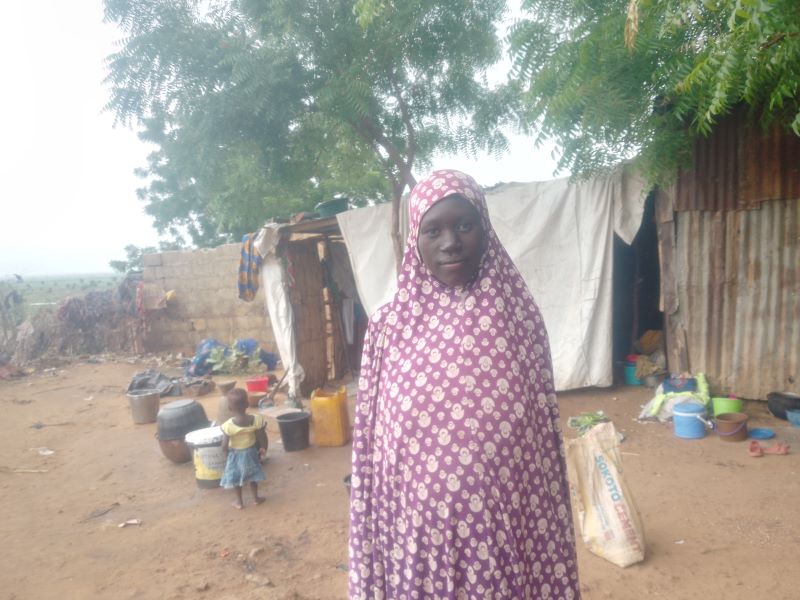
Sahuratu Umar

Environmental health expert, Usman Abba Sabaru spoke on the impact of improper waste disposal on the environment, stating that it contaminates the soil, water, and air, leading to a decline in ecosystem health. Sabaru noted that waste contributes significantly to the release of harmful pollutants into the air, posing a threat to both human health and the environment.

“Waste comes in different forms, and the most toxic to the environment is nylon because it doesn’t decompose. It not only harms the environment but also affects the farming system,” he explained. The presence of nylon in the soil prevents oxygen from penetrating, making it difficult for plants to germinate and reducing soil fertility.

A study titled “Poor Waste Generation and Disposal in Sokoto Metropolis,” published in 2023, highlighted that most solid waste disposal sites are located on the outskirts of urban areas, close to water bodies, farmlands, settlements, and roads, often blocking drainage systems and streets.

To achieve proper disposal methods, the study suggests providing more waste disposal options, such as incinerators. It also calls for adequate funding, particularly for vehicle and equipment provision, construction of proper landfills, and waste sorting facilities.

hygiene IDPs camp Sokoto state UNICEF Waste disposal
Share. Facebook Twitter Pinterest LinkedIn WhatsApp Reddit Tumblr Email
Editor
  • Website

Related Posts

Korean, UNICEF seek to close zero-dose immunisation gap in Niger

April 18, 2026

Abia gov mourns US-based doctor’s death

April 18, 2026

Family planning lowers maternal mortality by 30%

April 17, 2026

Leave A Reply Cancel Reply

Korean, UNICEF seek to close zero-dose immunisation gap in Niger

April 18, 2026

NITDA, CAC strengthen cybersecurity measures

April 18, 2026

Naira ends week slightly lower

April 18, 2026

YABATECH boosts skills in stop-motion animation

April 18, 2026
About Us
About Us

ASHENEWS (AsheNewsDaily.com), published by PenPlus Online Media Publishers, is an independent online newspaper. We report development news, especially on Agriculture, Science, Health and Environment as they affect the under-reported rural and urban poor.

We also conduct investigations, especially in the areas of ASHE, as well as other general interests, including corruption, human rights, illicit financial flows, and politics.

Contact Info:
  • 1st floor, Dogon Daji House, No. 5, Maiduguri Road, Sokoto
  • +234(0)7031140009
  • ashenewsdaily@gmail.com
Facebook Twitter Instagram Pinterest
© 2026 All Rights Reserved. ASHENEWS Daily Designed & Managed By DeedsTech

Type above and press Enter to search. Press Esc to cancel.