

• Home
  • Agric
  • Sci & Tech
  • Health
  • Environment
  • Hausa News
  • More
    • Business/Banking & Finance
    • Politics/Elections
    • Entertainments & Sports
    • International
    • Investigation
    • Law & Human Rights
    • Africa
    • ACCOUNTABILITY/CORRUPTION
    • Hassan Gimba
    • Column
    • Prof. Jibrin Ibrahim
    • Prof. M.K. Othman
    • Defense/Security
    • Education
    • Energy/Electricity
    • Entertainment/Arts & Sports
    • Society and Lifestyle
    • Food & Agriculture
    • Health & Healthy Living
    • International News
    • Interviews
    • Investigation/Fact-Check
    • Judiciary/Legislature/Law & Human Rights
    • Oil & Gas/Mineral Resources
    • Press Freedom/Media/PR/Journalism
    • General News
    • Presidency
  • About Us
    • Contact Us
    • Board Of Advisory
    • Privacy Policy
    • Ethics Policy
    • Teamwork And Collaboration Policy
    • Fact-Checking Policy
    • Advertising
  • Media OutReach Newswire
    • Wire News
  • The Stories
Facebook Twitter Instagram
Trending
  • Abia govt approves new climate change policy, prioritises disability inclusion
  • World Hijab Day: Group seek review of NYSC uniforms
  • Libya deports undocumented Nigerian migrants
  • My husband asks for sex 8 times every night, woman tells court
  • Anambra seeks LG chairmen’s support for measles–rubella vaccination campaign
  • Librarians’ Council lauds Northwest varsity for establishing well-equipped library, e-library
  • LAWMA arrests cart pushers for illegal dumping on Lagos–Badagry expressway
  • Kaduna eliminates Trachoma as public health threat
Facebook Twitter Instagram YouTube
AsheNewsAsheNews
  • Home
  • Agric

    How Corteva Agriscience is boosting South Africa’s farming system

    January 31, 2026

    AI-driven project targets climate resilient crops for farmers in Africa

    January 31, 2026

    FG empowers 40 cooperatives with farm inputs in Yobe

    January 30, 2026

    Katsina to host 3,750 housing units, aquaculture project financed by COSMOS

    January 30, 2026

    ActionAid empowers 12,000 FCT farmers with agroecology skills

    January 30, 2026
  • Sci & Tech

    Expert urges federal govt to tackle multiple taxation in telecoms sector

    January 31, 2026

    Airtel Africa mobile money transactions top $210bn as subscribers hit 52m

    January 31, 2026

    Nigeria, KOICA partner to drive digital transformation in public service

    January 30, 2026

    NDPC leads Abuja roadshow to promote data protection awareness

    January 30, 2026

    NOTAP backs Nigerian developers to $1m sales

    January 29, 2026
  • Health

    Anambra seeks LG chairmen’s support for measles–rubella vaccination campaign

    January 31, 2026

    Kaduna eliminates Trachoma as public health threat

    January 31, 2026

    Kogi records milestone in fight against NTDs, halts treatment for Lymphatic filariasis

    January 31, 2026

    Bauchi introduces nutrition supplement to tackle child undernutrition

    January 31, 2026

    Bus crash En route to Bayelsa deputy gov burial leaves 2 dead

    January 30, 2026
  • Environment

    Abia govt approves new climate change policy, prioritises disability inclusion

    January 31, 2026

    LAWMA arrests cart pushers for illegal dumping on Lagos–Badagry expressway

    January 31, 2026

    YASIF, IBM train 15,000 Nigerian youths for green, digital economy

    January 31, 2026

    Kukah urges religious leaders to speak out against environmental exploitation

    January 31, 2026

    LASEMA holds retreat to honor responders, boost emergency preparedness

    January 31, 2026
  • Hausa News

    Anti-quackery task force seals 4 fake hospitals in Rivers

    August 29, 2025

    [BIDIYO] Yadda na lashe gasa ta duniya a fannin Ingilishi – Rukayya ‘yar shekara 17

    August 6, 2025

    A Saka Baki, A Sasanta Saɓani Tsakanin ‘Yanjarida Da Liman, Daga Muhammad Sajo

    May 21, 2025

    Dan majalisa ya raba kayan miliyoyi a Funtuwa da Dandume

    March 18, 2025

    [VIDIYO] Fassarar mafalki akan aikin Hajji

    January 6, 2025
  • More
    1. Business/Banking & Finance
    2. Politics/Elections
    3. Entertainments & Sports
    4. International
    5. Investigation
    6. Law & Human Rights
    7. Africa
    8. ACCOUNTABILITY/CORRUPTION
    9. Hassan Gimba
    10. Column
    11. Prof. Jibrin Ibrahim
    12. Prof. M.K. Othman
    13. Defense/Security
    14. Education
    15. Energy/Electricity
    16. Entertainment/Arts & Sports
    17. Society and Lifestyle
    18. Food & Agriculture
    19. Health & Healthy Living
    20. International News
    21. Interviews
    22. Investigation/Fact-Check
    23. Judiciary/Legislature/Law & Human Rights
    24. Oil & Gas/Mineral Resources
    25. Press Freedom/Media/PR/Journalism
    26. General News
    27. Presidency
    Featured
    Recent

    Abia govt approves new climate change policy, prioritises disability inclusion

    January 31, 2026

    World Hijab Day: Group seek review of NYSC uniforms

    January 31, 2026

    Libya deports undocumented Nigerian migrants

    January 31, 2026
  • About Us
    1. Contact Us
    2. Board Of Advisory
    3. Privacy Policy
    4. Ethics Policy
    5. Teamwork And Collaboration Policy
    6. Fact-Checking Policy
    7. Advertising
    Featured
    Recent

    Abia govt approves new climate change policy, prioritises disability inclusion

    January 31, 2026

    World Hijab Day: Group seek review of NYSC uniforms

    January 31, 2026

    Libya deports undocumented Nigerian migrants

    January 31, 2026
  • Media OutReach Newswire
    • Wire News
  • The Stories
AsheNewsAsheNews
Home»Health & Healthy Living»How new technology can protect women shea butter processors
Health & Healthy Living

How new technology can protect women shea butter processors

EditorBy EditorMay 24, 2024Updated:May 24, 2024No Comments7 Mins Read
Share
Facebook Twitter LinkedIn Pinterest Email

Lamnatu Seidu works six days a week in a shea butter processing centre in Sagnarigu District of Tamale, Ghana. The 52-year-old mother of five is shrouded in smoke as she roasts shea butter nuts in a traditional roaster fueled by firewood and shea cake. She coughs and wipes her red eyes every few minutes. The smoke makes it hard for her to see.

By Hoenyefia Noah Nash 

Lamnatu is one of nearly a million women who support Ghana’s world-renowned shea butter industry on farms and processing centres in Northern Ghana. It is a huge driver of economic activity in a region with few other job-creating industries. But the women are paying a price.

Lamnatu and other women are constantly exposed to air pollution by the smoke, causing them a range of health conditions. But the women say they have no choice but to stay in the job.

“My children’s lives depend on this profession, as my first child is in secondary school now,” Lamnatu said, speaking in the Dagbani dialect through a translator. “My eyes are heavy now, and when I return home, I can’t sleep due to body pains and itching in my eyes. Everyday discomfort and the frequent purchase of pain relievers are what keep me going daily. The needs of my children have to be met.”

Women work under a cooperative model – 25 women for each processing task per day – to ensure work is equally shared. Each woman makes $85 a month for 75 bags of processed shea butter, an amount which puts them well above the poverty line of $2.15 a day in an area plagued by poverty. Most women work in the safe part of the business – picking nuts – but 7,000 work in processing centres.

ALSO READ [VIEWPOINT] Climate change: How Nigerian rice farmers can reduce methane emissions

The Ghanaian shea butter industry has long relied on the labour provided by women who harvest the nuts and turn it into commodities sent throughout the world. Ghana is the world’s largest shea butter exporter, accounting for more than 60% of total supply. Many of the women are breadwinners in their households.  Daughters of processors often follow mothers and grandmothers into the industry.
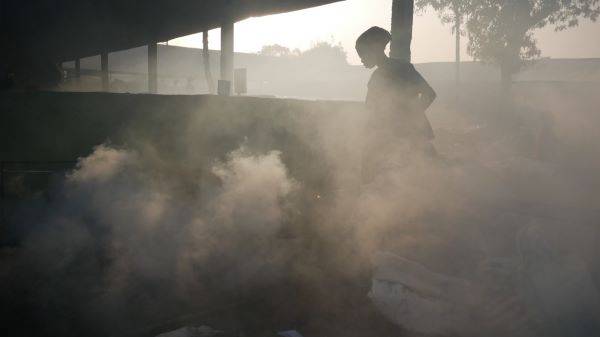
Lamnatu Seidu shea Nut 1

Decades of exposure to toxic smoke is now catching up with older workers. In addition to blindness, air pollution is a leading cause of a range of illnesses such as respiratory and lung infections, cancer, infertility, diabetes and heart disease.

“When it comes to the heart, we can think about the effects on blood vessels, which can lead to heart attacks and sometimes high blood pressure as well,” says Dr. Dzifa Ahadzi, a heart expert at Tamale Teaching Hospital. She urges women to wear “N95” nose masks to protect themselves from contaminants, and to limit their hours over the stoves.

The dangers of wood and charcoal cooking have prompted a range of clean solutions including gas and electricity. But clean options are yet to penetrate widely in the industry. Firewood remains the principal source of fuel.

Dressed in a long African cloth with a veil over her hair Ayisha, a local drug seller, smiles and jokes with her regular clients at the Yamzaa Shea Processing Centre, located along a bi-water road in the Sagnarigu district’s Kukuo village. Ayisha sells drugs without a licence so she asks not to use her last name for fear of being fined. Ayisha sells a range of pharmaceuticals as well as herbal treatments. Her customers are mostly women from the shea butter centres in the area trying to self-medicate their myriad problems.  

Several women approach her complaining of body and chest aches. Though she has no medical training she suggests pain alleviation for each.

Ayisha defends her activities. Her drugs are purchased from legal vendors, she claims. She challenges a reporter to check expiration dates. “My services serve the needs of the women here who reside a distance from drug stores and work late,” she says. “They frequently complain about physical discomfort. I thus have a ton of painkillers to offer them. Some people tell me how they unable to fall asleep. They have to go cook for the spouse and the kids after leaving here. You only have to imagine.”

The illnesses suffered by women have worried Ghana health officials and shea butter companies alike. Efforts to clean up the business have prompted entrepreneurial efforts designed to clean the air.

Clean cook stoves have been the main approach. The DONAGO smokeless stove is made by Ghanaian entrepreneur Donald Amrago of Appro-Earth Consult in Kumasi. The stove made from earth, clay, and bricks burns wood more efficiently, thereby reducing smoke emissions. Burn Lab Stoves, another Ghanaian start up business based in Kumasi, has developed a stove that uses shea cake, a byproduct of shea butter, to reduce wood use.

Some women who have been given training on this stoves have been impressed. Mamunatu Salifu, team leader of a women’s group at Pagsung Shea Butter Processing Centre, says she is pleased with the centre’s newly installed DONAGO stove. “We were able to use less wood for butter production in a large pot, and the stove remained smokeless throughout.”

But the costs of the new stoves has been a major obstacle. At 45,000 cedis ($US3100) for purchase and installation they have been out of the reach of women who earn just 40 cedis a day each. The stove and installation at Pagsung was donated by the Savannah Fruits Company, a Ghana-based company focused on sustainable production, with funding from United States AID.

Savannah Fruits has donated more than 150 improved boiling stoves and 60 roasters to 33 organic shea processing facilities in Northern Ghana who supply shea butter to the company. “This project improves working conditions, efficiency, and ultimately the quality of shea butter that the cooperatives produce. The Savannah Fruits Company sees this as an investment in the local community as well as the shea supply chain,” according to Sofia Durrani, head of Sustainability with the company.

Ayisha’s drug box

The cooperatives own the equipment and Savannah Fruits donates 10 percent of its profits back into these cooperatives to they can pay to maintain the equipment.

Donations are the only way clean stoves are going to make it into the rest of the processing centres says Henry Sarpong, general manager of SEKAF Ghana, the first firm in Northern Ghana to introduce branded shea butter.

“We recognise the negative health effects of smoke pollution on women working in the shea industry. We know better stoves could minimise or lessen the amount of smoke pollution at different processing facilities,” says Sarpong who has 150 female and five male employees. “But the women’s cooperatives have been reluctant to spend the money that would otherwise go into their pockets.”

As more and more women get older and sicker from the impacts of smoke inhalation in the industry pressure is growing on government, companies and donors to clean up the industry. Until then experts warn the women to wear nose masks as much as possible and step away from the smoke whenever they can.

This article was a collaboration with New Narratives, with funding provided by the Clean Air Fund. The funder had no say in the story’s content.

Air pollution Ghana Shea butter
Share. Facebook Twitter Pinterest LinkedIn WhatsApp Reddit Tumblr Email
Editor
  • Website

Related Posts

Anambra seeks LG chairmen’s support for measles–rubella vaccination campaign

January 31, 2026

Kaduna eliminates Trachoma as public health threat

January 31, 2026

Kogi records milestone in fight against NTDs, halts treatment for Lymphatic filariasis

January 31, 2026

Leave A Reply Cancel Reply

Abia govt approves new climate change policy, prioritises disability inclusion

January 31, 2026

World Hijab Day: Group seek review of NYSC uniforms

January 31, 2026

Libya deports undocumented Nigerian migrants

January 31, 2026

My husband asks for sex 8 times every night, woman tells court

January 31, 2026
About Us
About Us

ASHENEWS (AsheNewsDaily.com), published by PenPlus Online Media Publishers, is an independent online newspaper. We report development news, especially on Agriculture, Science, Health and Environment as they affect the under-reported rural and urban poor.

We also conduct investigations, especially in the areas of ASHE, as well as other general interests, including corruption, human rights, illicit financial flows, and politics.

Contact Info:
  • 1st floor, Dogon Daji House, No. 5, Maiduguri Road, Sokoto
  • +234(0)7031140009
  • ashenewsdaily@gmail.com
Facebook Twitter Instagram Pinterest
© 2026 All Rights Reserved. ASHENEWS Daily Designed & Managed By DeedsTech

Type above and press Enter to search. Press Esc to cancel.