


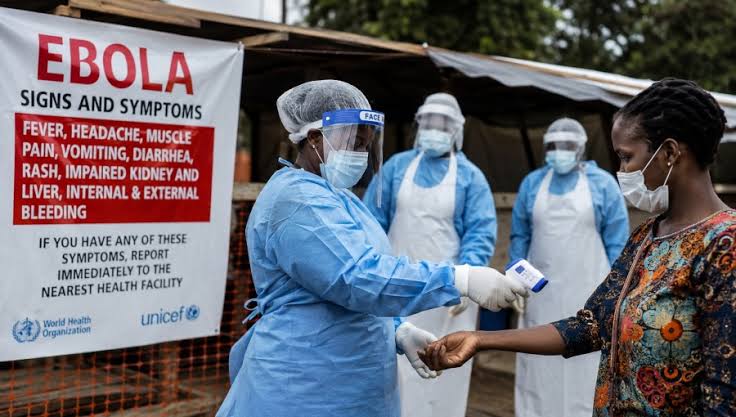
The Ebonyi Government has designated an isolation and treatment centre for suspected Ebola cases as part of efforts to strengthen the state’s preparedness and response to the outbreak in the country.
The Commissioner for Health, Dr Moses Ekuma, gave the assurance in an interview with reporters on Friday in Abakaliki, urging residents not to panic.
Ekuma said the state Ministry of Health had strengthened its preparedness and response measures to ensure prompt and effective action if a suspected case emerged.
“We have identified a designated isolation and treatment centre for suspected Ebola patients, should the need arise.
“Health workers across the state have also been sensitised on infection prevention and control, as well as the early identification of suspected cases, to minimise the risk of transmission,” he said.
He said personal protective equipment had been distributed to health workers in hospitals across the state to protect them while they provide care.
Ekuma added that the ministry had intensified public awareness campaigns to educate residents about Ebola, how it spreads and how to prevent it.
He urged health workers to strictly follow infection prevention and control protocols, including the proper use of protective equipment, to safeguard themselves and their patients.
He advised residents to wash their hands regularly with soap and water and avoid direct contact with the blood and other bodily fluids of suspected or confirmed Ebola patients.
The commissioner also urged residents to seek prompt medical attention if they developed symptoms suggestive of the disease.
He cautioned against handling dead wild animals or eating bushmeat from potentially infected animals, stressing the importance of good hygiene and compliance with public health advisories.
Ekuma commended Gov. Francis Nwifuru for his continued support for healthcare delivery and prompt response to the ministry’s requests.
He urged residents to remain calm, get information from credible health authorities and promptly report suspected cases to the nearest health facility for professional assessment.
He also cautioned against self-medication and the spread of unverified information, emphasising that public cooperation, early reporting and strict adherence to preventive measures were essential to protecting communities from the disease.
