


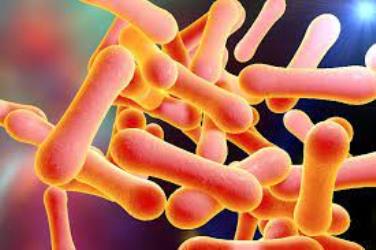
Diphtheria outbreak in Chanchaga and Katcha local government areas of Niger State has claimed the lives of 11 people in recent days, with health authorities warning of the growing threat posed by the disease.
Executive Director, Niger State Primary Health Care Development Agency (NSPHCDA), Dr. Junaidu Inuwa disclosed this in Minna while speaking at a two-day capacity-building workshop on Strengthening Ward Development Committees (WDCs) on Community Engagement and Accountability to Affected Populations (AAP).
The latest deaths, according to him, are part of the 17 fatalities recorded from 124 confirmed diphtheria cases in the state between January and early August.
“I am sure most of you are aware that recently we have an outbreak of some diseases in Chanchaga and Katcha LGAs. There are 10 cases, and all of them died. We even lost another patient on Tuesday at the General Hospital, Minna”, he explained,
Inuwa blamed the casualty rate partly on parents and guardians who have denied their children vaccination, stressing that community structures have a major role to play in preventing the spread of diseases.
“Most parents are not immunizing their children, and the community structure needs to do a lot for us.”
Meanwhile, 74 patients have been treated and discharged from focal areas in Bida and Agaie Local Government Areas, while surveillance is ongoing in Suleja Local Government Area.
Inuwa appealed to members of the WDCs to prioritise early childhood education and encourage women and mothers to take their children for immunisation.
He said the goal of the capacity-building programme was to ensure that community structures were adequately engaged, empowered and educated to support disease prevention.
Also speaking, Social and Behavioural Change Specialist with the UNICEF Kaduna Field Office, Ibrahim Mohammed, noted that the training was designed to strengthen the capacity of WDC members to provide support in critical areas affecting communities. According to him, “we are looking at an integrative approach to healthcare services across the community,” he noted
He explained that’s the said the capacity-building focused on strengthening community response in health, water, sanitation and hygiene, nutrition, child protection and education.
