

• Home
  • Agric
  • Sci & Tech
  • Health
  • Environment
  • Hausa News
  • More
    • Business/Banking & Finance
    • POLITICS
    • Entertainments & Sports
    • International
    • Investigation
    • Law & Human Rights
    • Africa
    • ACCOUNTABILITY/CORRUPTION
    • Hassan Gimba
    • Column
    • Prof. Jibrin Ibrahim
    • Prof. M.K. Othman
    • Defense/Security
    • Education
    • Energy/Electricity
    • Entertainment/Arts & Sports
    • Society and Lifestyle
    • Food & Agriculture
    • Health & Healthy Living
    • International News
    • Interviews
    • Investigation/Fact-Check
    • LAW & HUMAN RIGHTS
    • Oil & Gas/Mineral Resources
    • PRESS FREEDOM/JOURNALISM/PR
    • General News
    • Presidency
  • About Us
    • Contact Us
    • Board Of Advisory
    • Privacy Policy
    • Ethics Policy
    • Teamwork And Collaboration Policy
    • Fact-Checking Policy
    • Advertising
  • Media OutReach Newswire
    • Wire News
  • The Stories
Facebook Twitter Instagram
Trending
  • Nigerian universities gain ground in global research rankings — NiTERAC
  • [BREAKING] Temi Nkem wins BBNaija Season 11
  • Diplomacy of the unheard: The South and unequal architecture of multilateralism, by Dr Mohammed M. Haruna
  • Lagos residents raise alarm over chocolate yam
  • Afe Babalola urges Nigerian youths to embrace farming
  • Nigeria’s wheat production jumps 300% to 420,000 tonnes under Tinubu’s agro scheme
  • Livestock minister urges modern practices to curb theft
  • Bilaad realty urges private sector support for MSMEs
Facebook Twitter Instagram YouTube
AsheNewsAsheNews
  • Home
  • Agric

    Lagos residents raise alarm over chocolate yam

    October 4, 2026

    Afe Babalola urges Nigerian youths to embrace farming

    October 4, 2026

    Nigeria’s wheat production jumps 300% to 420,000 tonnes under Tinubu’s agro scheme

    October 4, 2026

    Livestock minister urges modern practices to curb theft

    October 4, 2026

    Uganda develops drought-resilient sorghum to tackle chronic hunger in Karamoja     

    October 3, 2026
  • Sci & Tech

    Anyim: Tech must protect dignity, not deepen inequality

    October 4, 2026

    UNIZIK introduces digital clearance, certificates to speed up graduation

    October 4, 2026

    CSOs demand probe into TikTok disruption in north

    October 3, 2026

    Science education critical to Nigeria’s innovation – Expert

    October 2, 2026

    FG urged to prioritise infrastructure, R&D, local tech ownership

    October 1, 2026
  • Health

    Infections caused 12% of new cancers worldwide in 2024

    October 4, 2026

    Kano, IBP sign MoU to boost health financing transparency

    October 3, 2026

    WHO: Global life expectancy rebounds to 73.3 years

    October 3, 2026

    WASH: 1,500 IDP households receive dignity kits in Sokoto

    October 2, 2026

    Enugu pledges stronger SRMNH services

    October 2, 2026
  • Environment

    Bilaad realty urges private sector support for MSMEs

    October 4, 2026

    Lagosians still unaware of emergency lines 767, 112

    October 4, 2026

    Akinnola urges better documentation of Ogoni struggle

    October 3, 2026

    FCT civil servants back 3-day warning strike

    October 2, 2026

    Bariga LCDA presents SUVs, buses to officials and groups

    October 2, 2026
  • Hausa News

    UNA signs MoU to launch air Bissau in Guinea-Bissau

    June 15, 2026

    Otti plans 250-room 5-star hotel in Umuahia

    April 11, 2026

    Anti-quackery task force seals 4 fake hospitals in Rivers

    August 29, 2025

    [BIDIYO] Yadda na lashe gasa ta duniya a fannin Ingilishi – Rukayya ‘yar shekara 17

    August 6, 2025

    A Saka Baki, A Sasanta Saɓani Tsakanin ‘Yanjarida Da Liman, Daga Muhammad Sajo

    May 21, 2025
  • More
    1. Business/Banking & Finance
    2. POLITICS
    3. Entertainments & Sports
    4. International
    5. Investigation
    6. Law & Human Rights
    7. Africa
    8. ACCOUNTABILITY/CORRUPTION
    9. Hassan Gimba
    10. Column
    11. Prof. Jibrin Ibrahim
    12. Prof. M.K. Othman
    13. Defense/Security
    14. Education
    15. Energy/Electricity
    16. Entertainment/Arts & Sports
    17. Society and Lifestyle
    18. Food & Agriculture
    19. Health & Healthy Living
    20. International News
    21. Interviews
    22. Investigation/Fact-Check
    23. LAW & HUMAN RIGHTS
    24. Oil & Gas/Mineral Resources
    25. PRESS FREEDOM/JOURNALISM/PR
    26. General News
    27. Presidency
    Featured
    Recent

    Nigerian universities gain ground in global research rankings — NiTERAC

    October 4, 2026

    [BREAKING] Temi Nkem wins BBNaija Season 11

    October 4, 2026

    Diplomacy of the unheard: The South and unequal architecture of multilateralism, by Dr Mohammed M. Haruna

    October 4, 2026
  • About Us
    1. Contact Us
    2. Board Of Advisory
    3. Privacy Policy
    4. Ethics Policy
    5. Teamwork And Collaboration Policy
    6. Fact-Checking Policy
    7. Advertising
    Featured
    Recent

    Nigerian universities gain ground in global research rankings — NiTERAC

    October 4, 2026

    [BREAKING] Temi Nkem wins BBNaija Season 11

    October 4, 2026

    Diplomacy of the unheard: The South and unequal architecture of multilateralism, by Dr Mohammed M. Haruna

    October 4, 2026
  • Media OutReach Newswire
    • Wire News
  • The Stories
AsheNewsAsheNews
Home»Health & Healthy Living»Advocates demand safe, legal abortion care, wider contraception access
Health & Healthy Living

Advocates demand safe, legal abortion care, wider contraception access

Abdallah el-KurebeBy Abdallah el-KurebeSeptember 24, 2026Updated:September 25, 2026No Comments5 Mins Read
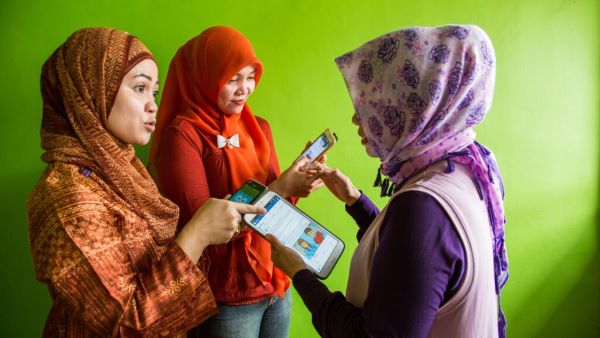
Women learn how to access information about contraception on their smartphones during a session on family planning in Makassar, Indonesia.
Share
Facebook Twitter LinkedIn Pinterest Email

Ahead of World Contraception Day on September 26 and International Safe Abortion Day on September 28, reproductive health advocates have called for accessible, safe, legal and stigma-free abortion care and wider access to proven contraception options.

Shobha Shukla, Coordinator and Host of SHE & Rights and Executive Director of CNS, said safe abortion is an essential and lifesaving sexual and reproductive healthcare service and a fundamental human right, adding that it is central to reproductive freedom, gender equality and the achievement of the Sustainable Development Goals.

“With just 51 months left to deliver on the SDG goals and targets of gender equality and health rights, not only is the progress way off the mark, but attacks against bodily autonomy and gender and health rights have been growing around the world,” Shukla said.

She spoke at a SHE & Rights session organised ahead of the two international observances by the Global Center for Health Diplomacy and Inclusion (CeHDI), Guttmacher Institute, Asian Pacific Resource and Research Centre for Women (ARROW), International Planned Parenthood Federation, CNS and partners.

Investment could save lives, reduce costs

Presenting findings from the Guttmacher Institute’s Adding It Up 2024 report, Dr Elizabeth A. Sully, Director of International Research at the institute, said increased investment in sexual and reproductive health and rights could deliver significant health and economic benefits.

The report, covering 128 low- and middle-income countries, estimates that meeting the full need for modern contraception, maternal and newborn care, abortion services and treatment for four curable sexually transmitted infections in low- and middle-income countries in Asia would require increasing annual spending from US$5.87 to US$8.61 per person.

This represents an additional US$2.74 per person, or US$12.4 billion annually, according to the report.

It also estimates that every additional US$1 invested in family planning and contraceptive care could save US$1.97 in pregnancy-related and newborn care costs.

Meeting sexual and reproductive health and rights needs across Asia could also result in a 26 per cent reduction in unintended pregnancies, a 65 per cent decline in maternal deaths and a 62 per cent decline in newborn deaths, the report said.

Sully said the study estimated 120.6 million pregnancies occur annually in Asia, with 63 per cent resulting in live births, while 19.4 per cent result in safe abortions, 21.3 per cent in unsafe abortions and 16.7 per cent in miscarriages and stillbirths.

Report shifts focus to individual choice

The Guttmacher report also introduces a more person-centred approach to assessing contraceptive need by placing individual preferences, rights and choice at the centre.

While an estimated 129 million women of reproductive age in Asia have an unmet need for modern contraception, the figure includes women using traditional methods who may not want to switch to modern methods.

The report therefore uses the concept of “unmet demand”, focusing on women who want to avoid pregnancy, are not currently using contraception but express a desire for future family planning.

On that basis, an estimated 36 million women in low- and middle-income countries in Asia have an unmet demand for contraception.

Riju Dhakal, Programme Officer at ARROW, called for international commitments on sexual and reproductive health and rights to be reflected in national budgets.

Dhakal said ARROW was working with partners in 12 countries to examine financing for sexual and reproductive health and rights and engage governments on investment and impact.

She cited concerns over a reported 46 per cent decline in official development assistance for sexual and reproductive health and rights between 2024 and 2026, urging advocates to use the Guttmacher Institute’s investment calculators to track government commitments and determine whether pledged funds are budgeted, released and ultimately reach communities.

Kenya highlights gap between rights and access

Jane Nyanjom, Associate Director for Advocacy and Partnerships at Reproductive Health Network Kenya, said translating reproductive health rights into practice requires alignment between law, policy, financing and service delivery.

She highlighted contraceptive commodity stock-outs in Kenya, particularly their impact on women and girls in rural and hard-to-reach areas, while stressing the need for youth-friendly services, accurate information, effective referral systems and informed choice.

Nyanjom also pointed to the gap between Kenya’s legal framework on abortion and the services women can actually access.

“Rights committed on paper must be matched by actions for commodities, trained providers, financing, referral systems and accessible services on the ground,” she said.

Nawmi Naz Chowdhury, Executive Director of Women’s Global Network for Reproductive Rights (WGNRR), said reproductive rights must translate into actual access to abortion care.

She identified political and anti-rights backlash, conflict, humanitarian crises, displacement, shrinking civic and funding space, shortages of trained providers and medicines, weak referral systems, administrative requirements, cost, geographical barriers, stigma and misinformation as factors limiting access.

Experts seek stronger health systems

Dr Imran Pambudi, Director of Vulnerable Groups Health Services at Indonesia’s Ministry of Health, said a health system’s strength should be assessed by how effectively it protects and serves vulnerable populations.

He identified persons with disabilities, remote island communities, survivors of violence, older people, marginalised women and adolescents among groups requiring particular attention.

Pambudi called for sexual and reproductive health and rights to be integrated into primary healthcare, alongside person-centred approaches that protect dignity, a strengthened healthcare workforce and reliable access to medicines and referral services.

The experts stressed that financing alone is insufficient, saying services must also be accessible, affordable, adequately staffed and responsive to the needs of vulnerable populations.

The Guttmacher Institute’s Family Planning Investment Impact Calculator and Safe Abortion Calculator were also highlighted as tools for estimating the potential health and financial impact of increased investment in contraception and safe abortion services.

CeHDI Contraception safe abortion SHE & Rights
Share. Facebook Twitter Pinterest LinkedIn WhatsApp Reddit Tumblr Email
Abdallah el-Kurebe
  • Website
  • Facebook
  • Twitter
  • LinkedIn

Related Posts

Infections caused 12% of new cancers worldwide in 2024

October 4, 2026

Kano, IBP sign MoU to boost health financing transparency

October 3, 2026

WHO: Global life expectancy rebounds to 73.3 years

October 3, 2026

Leave A Reply Cancel Reply

Nigerian universities gain ground in global research rankings — NiTERAC

October 4, 2026

[BREAKING] Temi Nkem wins BBNaija Season 11

October 4, 2026

Diplomacy of the unheard: The South and unequal architecture of multilateralism, by Dr Mohammed M. Haruna

October 4, 2026

Lagos residents raise alarm over chocolate yam

October 4, 2026
About Us
About Us

ASHENEWS (AsheNewsDaily.com), published by PenPlus Online Media Publishers, is an independent online newspaper. We report development news, especially on Agriculture, Science, Health and Environment as they affect the under-reported rural and urban poor.

We also conduct investigations, especially in the areas of ASHE, as well as other general interests, including corruption, human rights, illicit financial flows, and politics.

Contact Info:
  • 1st floor, Dogon Daji House, No. 5, Maiduguri Road, Sokoto
  • +234(0)7031140009
  • ashenewsdaily@gmail.com
Facebook Twitter Instagram Pinterest
© 2026 All Rights Reserved. ASHENEWS Daily Designed & Managed By DeedsTech

Type above and press Enter to search. Press Esc to cancel.