


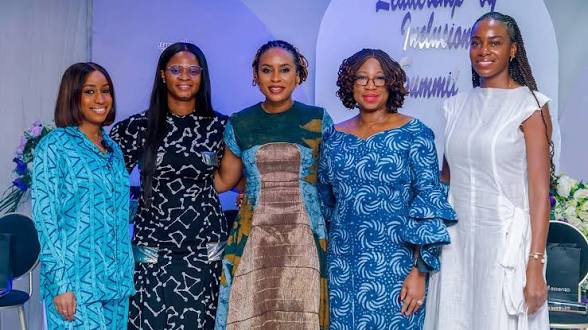
A gender advocate, Dr Adetoun Dally, says women’s inclusion in decision-making complements men’s roles and leads to better governance and development.
Dally said this in an interview with reporters in Abuja on Monday.
She is the immediate past president of Women Community in Africa and founder of the Children Impact and Development Initiative.
The advocate said the low representation of women in Nigeria’s parliament was a cause for concern, given the large number of educated and capable women in the country.
She said women should have greater representation in political leadership and policymaking, noting that decisions made by government affect everyone, including women.
She therefore called for greater inclusion of women in leadership and decision-making to build a more balanced society.
“The status of women has evolved significantly from ancient societies to the 21st century.
“Women were traditionally relegated to the background, but increasing awareness has made them demand greater opportunities and recognition.
“The transformation is driven by women’s growing awareness of their potential and desire to contribute more meaningfully to society.
“Women want to be more involved. We want to bring more value and be more supportive,” she said.
Dally said women’s empowerment should begin with the girl-child through access to quality education, skills acquisition and opportunities to start businesses and become economically independent.
She added, however, that women’s empowerment should go alongside important family and societal values, including modesty, self-discipline, responsibility and care for the family.
“Although some traditional expectations that restrict women’s participation in public life are no longer acceptable in the 21st century, positive values that promote responsible behaviour and strong families should be preserved.
“Empowering women while maintaining positive values will contribute to a more inclusive, responsible and well-rounded society,” she said.
Dally urged women seeking leadership positions and greater participation in society to remain disciplined and committed to their families and communities.
