


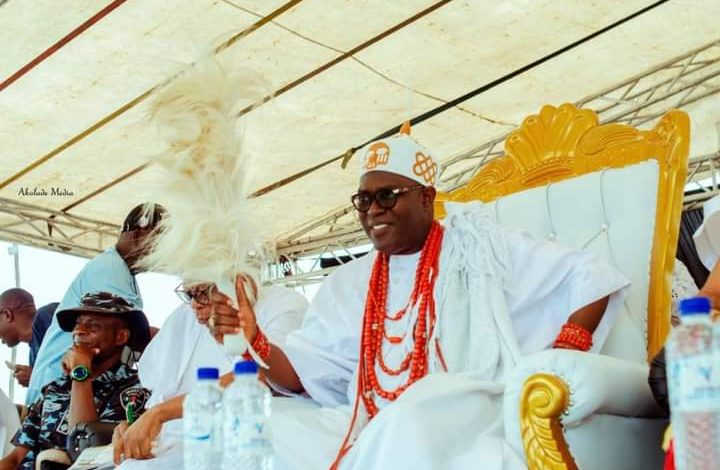
The Iralepo of Isinkan has defended a recent Ondo State High Court judgment affirming his traditional status, questioning why the Deji of Akure instituted a separate suit while an earlier appeal over the chieftaincy dispute remained pending before the Supreme Court.
The palace of the Iralepo, Oba Oluwagbemiga Olofin-Adimula Arulewolasi III, said the two cases involved different facts and causes of action, insisting that the latest ruling should be understood within the specific legal issues determined by the court.
In a statement issued by the Olisa of Isinkan Kingdom, High Chief Kayode Oluyi, the palace explained that the judgment delivered on October 12, 2026, in Suit No. AK/434/2022 was distinct from the earlier Court of Appeal judgment in Appeal No. CA/AK/69/2022, delivered on February 21, 2025.
According to the palace, the Court of Appeal had set aside an earlier Ondo State High Court judgment delivered on March 17, 2020, in Suit No. AK/111 M/2021. The appeal against that decision was subsequently taken to the Supreme Court.
The palace maintained that the Deji of Akure, Oba Aladetoyinbo Ogunlade Aladelusi, who initiated the earlier legal proceedings, also instituted the separate suit that resulted in the latest High Court judgment while the appeal was pending.
It argued that judicial decisions must be interpreted in the context of the facts and issues presented in each case, adding that similarities between disputes do not automatically make their legal questions identical.
The Iralepo’s palace consequently questioned why the Deji filed another suit at the High Court if he considered the earlier appellate judgment to have conclusively settled the dispute over traditional authority in Isinkan.
It also maintained that the Iralepo had not instituted any court action against the Deji, alleging that the successive legal battles had been initiated by the Deji’s side.
Palace cites historical records
The statement said the Isinkan traditional institution had examined historical archives, libraries and colonial records to establish the relationship between communities and kingdoms in the old Akure District, which comprises present-day Akure North, Akure South and Ifedore local government areas.
It identified an earlier judgment of the Akure Native Court, presided over by Deji Adegunsoye Ademuwagun Adesida II, as important documentary evidence supporting Isinkan’s historical identity and territorial claims.
According to the palace, the judgment recognised Isinkan’s territorial boundaries from Imogun, around the Saint Thomas Anglican Church end of Arakale, westwards along Ondo Road to the Aponmu and Owena rivers.
The palace said the recent judgment by Justice Sunday Olorundahunsi gave judicial recognition to these historical claims.
It further accused the Deji’s palace of making statements that it considered misleading about the judgment, alleging that such comments could raise false hopes among people involved in what it described as the illegal sale and appropriation of Isinkan land.
The Iralepo’s palace maintained that the ruling represented a significant development in its longstanding efforts to secure recognition of the community’s traditional institution and ancestral territorial rights.
Deji rejects ruling, plans appeal
The dispute has taken another turn following the Deji of Akure’s rejection of the October 12 judgment and his decision to direct his lawyers to appeal.
In a statement issued by his Chief Press Secretary, Adeyeye Michael, the Deji’s palace argued that the latest ruling could not override earlier decisions of the Court of Appeal and the Supreme Court.
The palace maintained that the February 21, 2025, Court of Appeal judgment recognised Isinkan as a quarter in Akureland and the Iralepo as a quarter chief under the Deji’s authority. It also cited a separate High Court judgment delivered on June 2, 2026, in support of its position.
The Deji’s palace insisted that the appellate judgment remained binding unless set aside by the Supreme Court, while assuring residents that the dispute would be pursued through legal and peaceful means.
The conflicting positions leave the traditional leadership dispute unresolved, with the parties advancing different interpretations of the applicable court decisions, chieftaincy laws and historical records.
